
(05)
It’s a daily reminder
that even small efforts
matter.

Ekaterina Belorustseva /
Geo Analyst
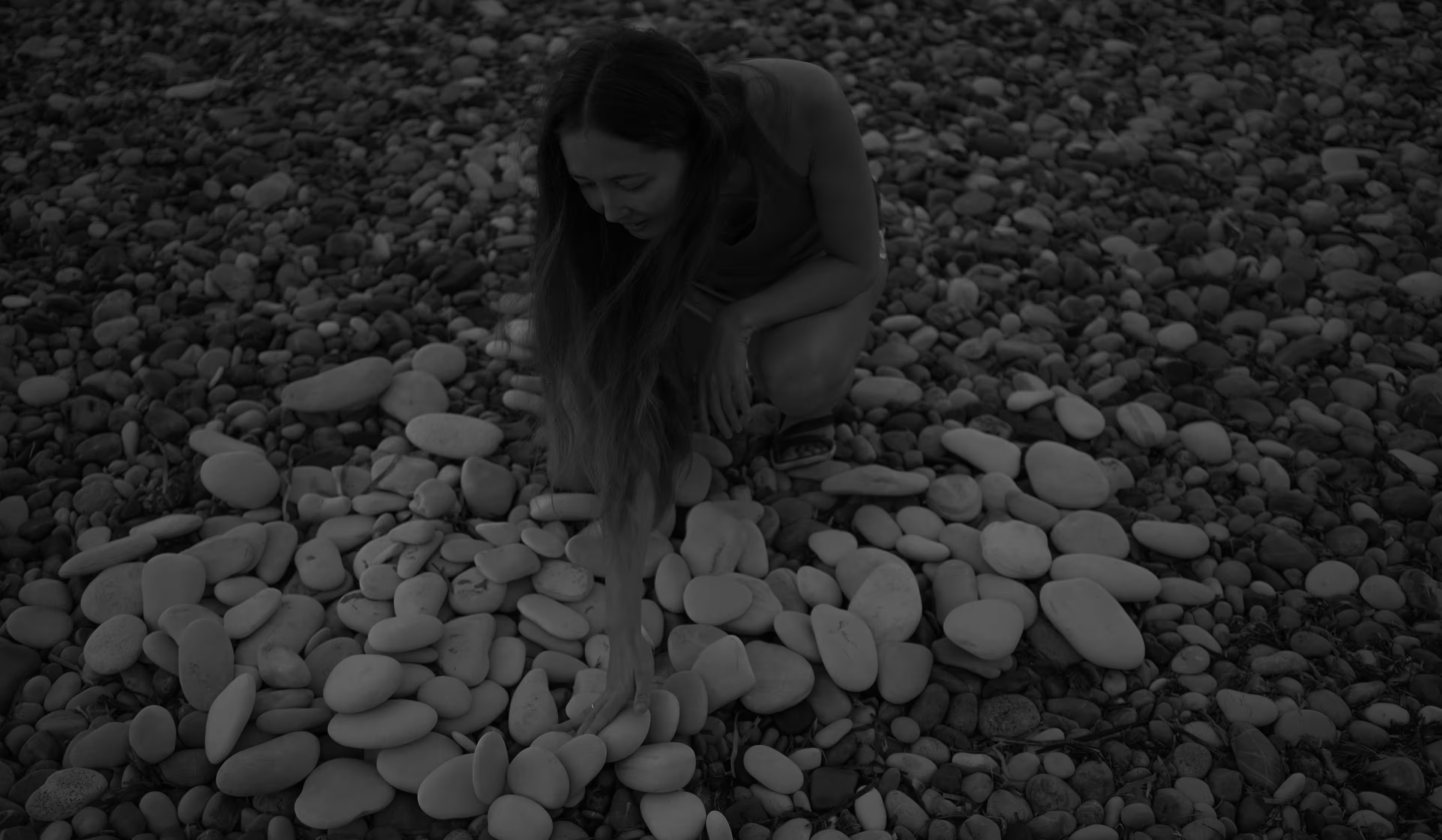
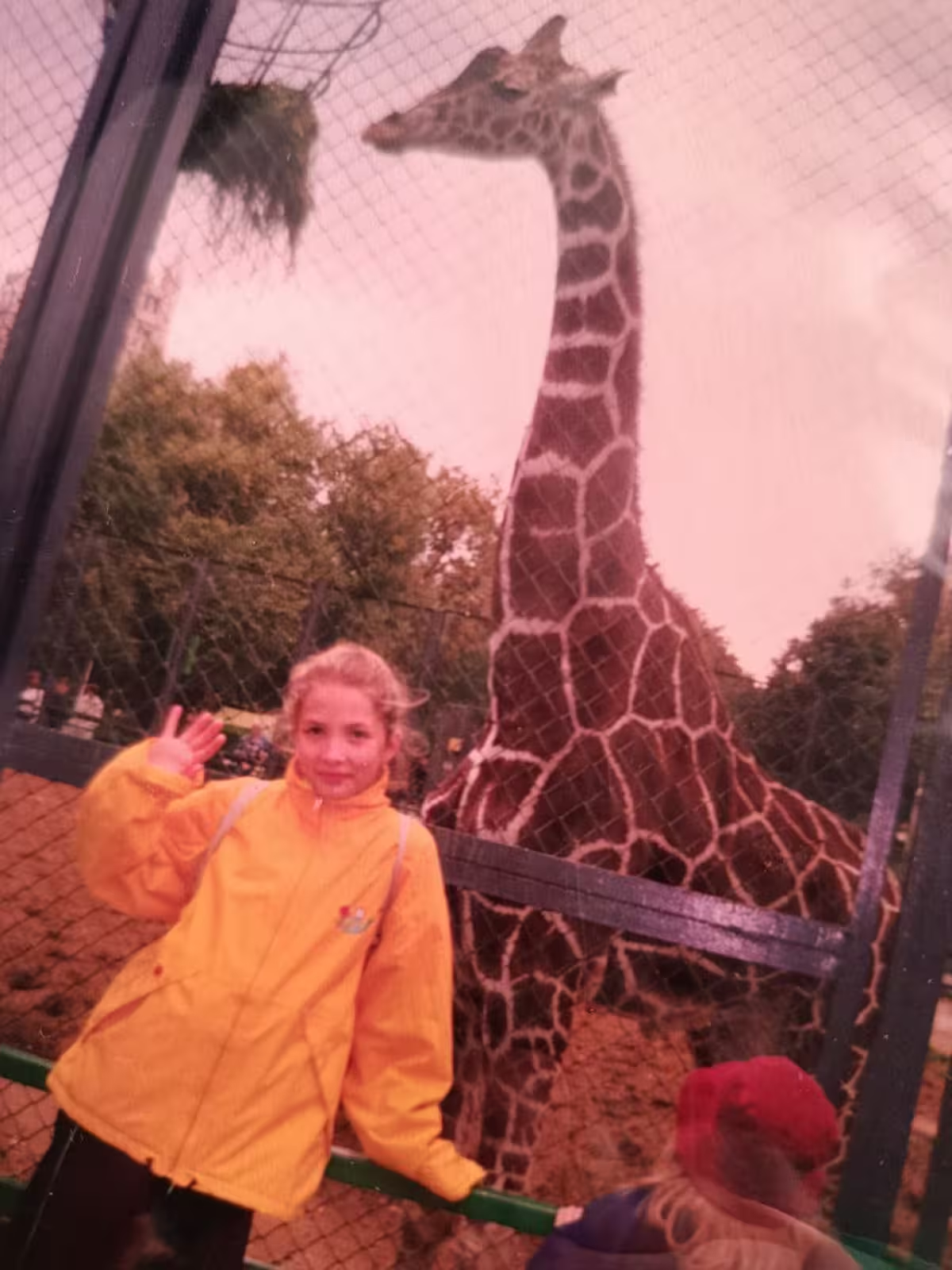
I really love animals — like many kids, I was always bringing kittens home from the street and trying to save them all.
Unfortunately, I didn’t see a single turtle that year, as it was October and the season was over. But imagine how eagerly I waited for the next year! Now I’ve completed two full seasons and plan to continue.
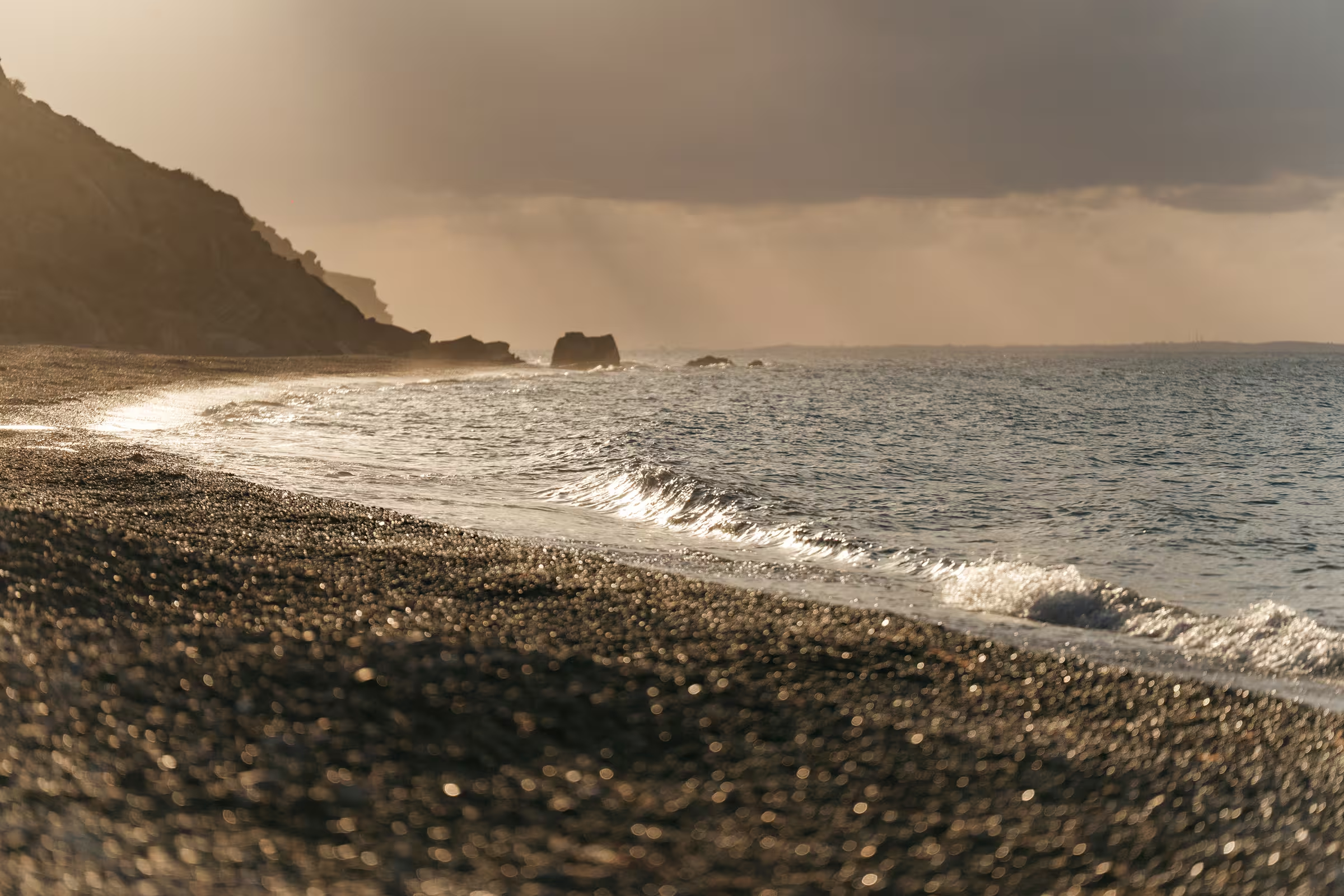
For the past three years, I’ve been living in Cyprus. One day, while walking along the beach in the village of Pissouri, I stumbled upon a turtle nest. That was a sign. I found a volunteer group on Facebook and joined the patrols a few days later.
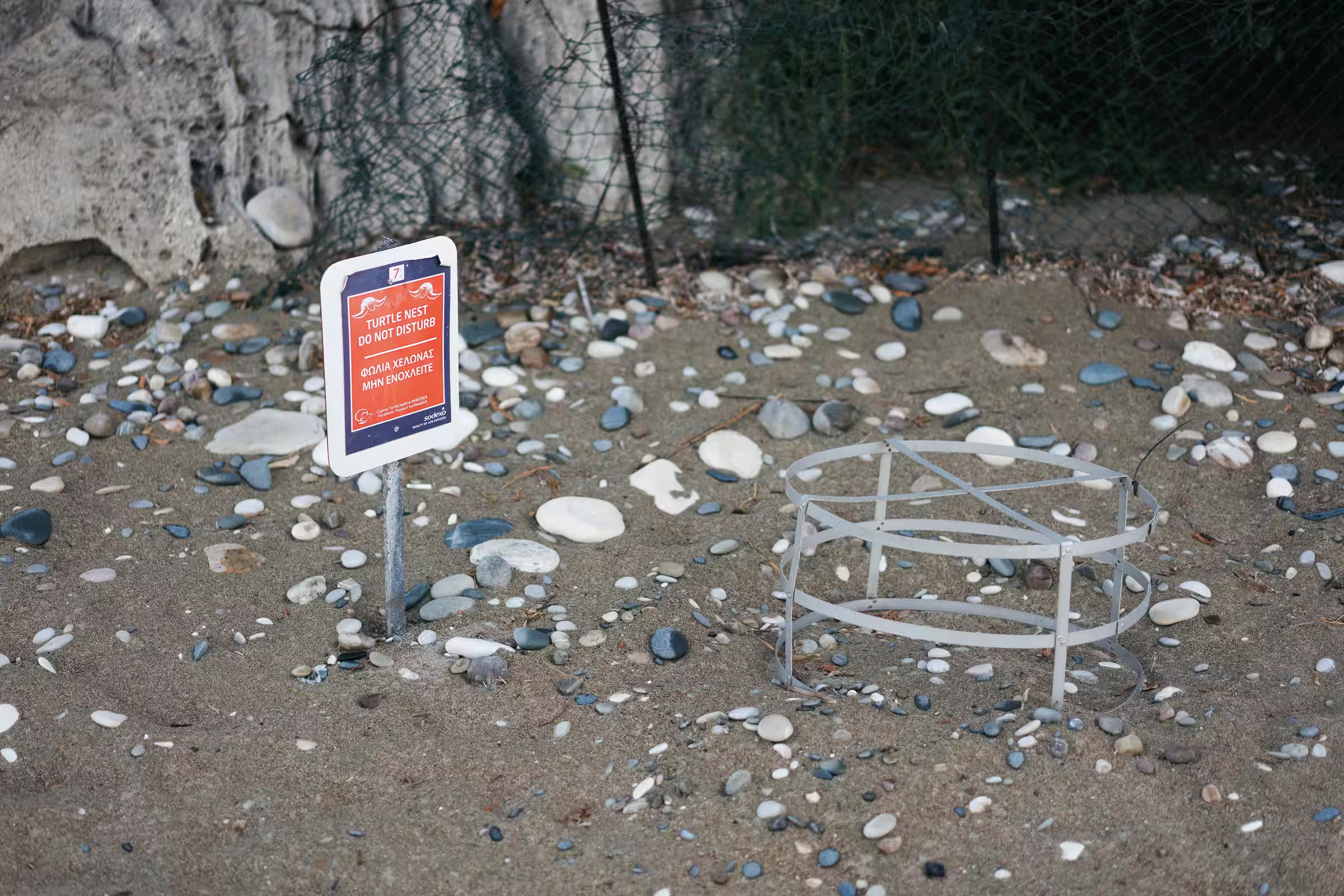
We help when we see something going wrong, but our main principle is to protect the nests and hatchlings with minimal interference.
Life for turtles here is a daily struggle. For a huge, one-meter turtle, digging a hole in the pebble beach isn’t hard, but for a tiny hatchling it’s difficult, sometimes impossible, to make it through a 40–60 cm tunnel that may be blocked by stones.
The surviving females return to the beach where they were born 15–20 years later to lay their own eggs. I hope to see my “firstborns” — the hatchlings from that first nest — when they return as adults.
One of my most vivid memories is my very first nest. It had 140 eggs, an exceptionally large clutch. Statistically, only one turtle out of a thousand survives to adulthood.
My patrol day starts before sunrise. I meet with other volunteers around 6 a.m. and we begin our patrol. On the way, we pick up trash — it can be dangerous for the turtles.
helpingAfter the patrol, we usually go swimming. Many volunteers swim year-round, even in winter.
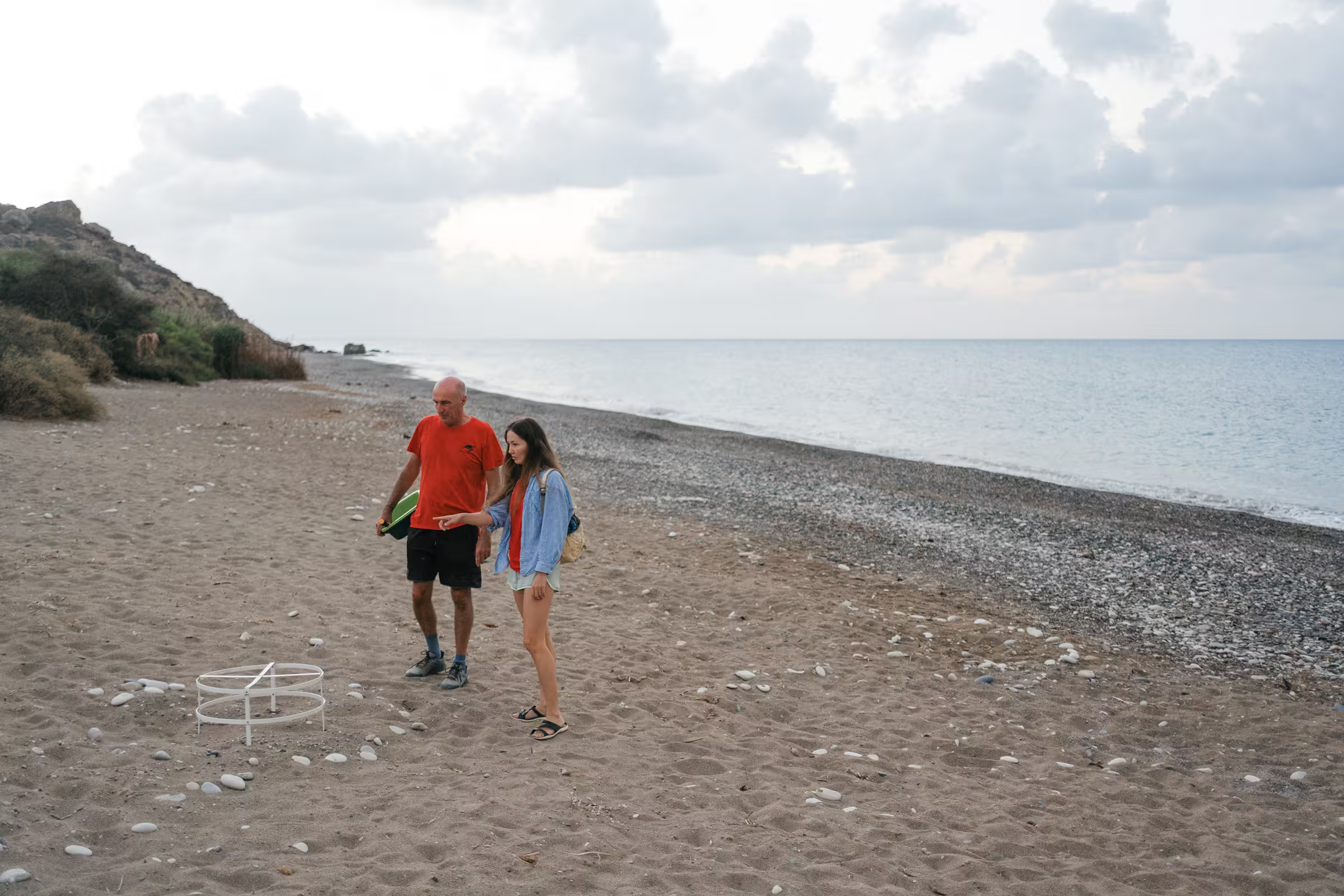
helpingAt the beginning of the season (spring and early summer), we look for the tracks left by turtles coming ashore to lay eggs. Since one female can make several attempts in different spots in a single night, our job is to determine the nest location.
helpingUsually, the last attempt in the track leads to the nest. After spotting it, we set up a protective barrier and a sign. Pissouri Beach is popular with tourists, so we need to ensure the clutch is safe. The turtles bury soft, ping-pong-ball-sized eggs at a depth of about 40–70 cm.
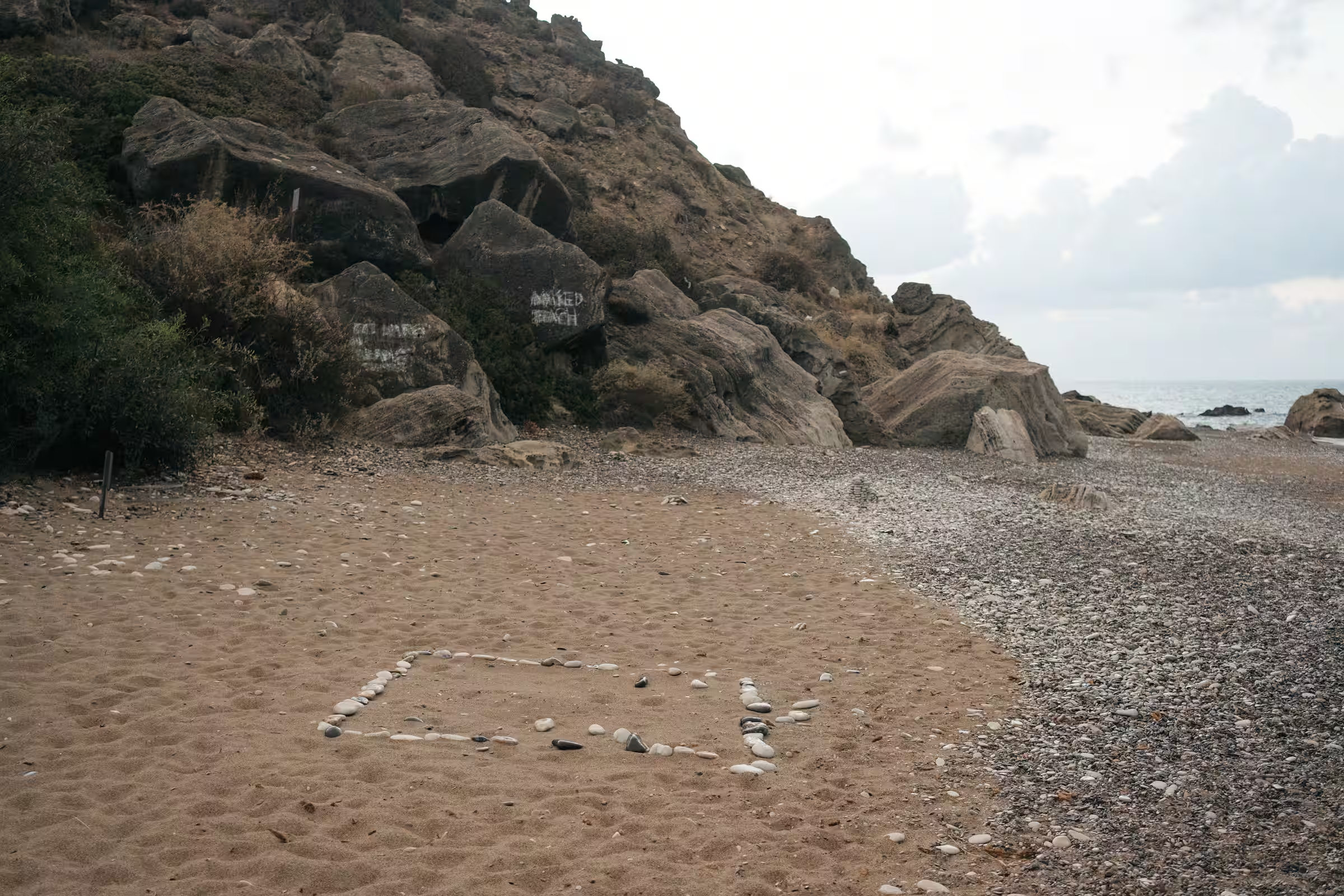
Sometimes our barriers get moved by tides, animals, or people, and we have to search blindly.
helpingOver time, I noticed that when the eggs start hatching, the sand above the nest has a very specific smell. Once, while searching for a lost nest, I caught this familiar scent, started digging — and found it! Now, when we face tricky cases, I take a handful of sand to smell it. It always makes the team laugh, but it helps!
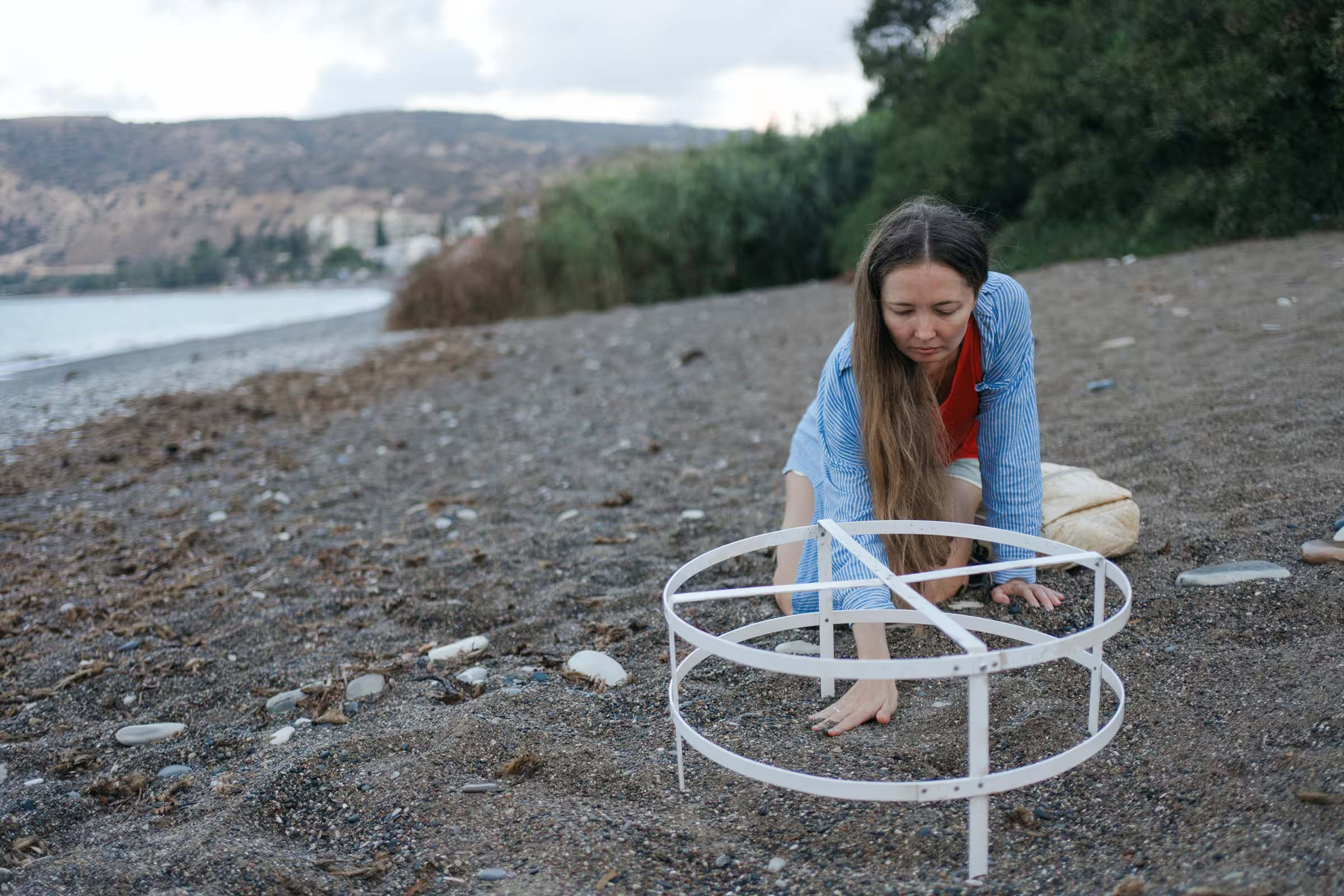
From mid-July to mid-August, the most intense period begins: the big turtles are still laying eggs while the tiny hatchlings are already emerging.
helpingFirst, we check the nests that are about to “burst.” The important thing here is to spot hatchlings among the pebbles – they’re extremely well camouflaged, so we move slowly, with experienced volunteers in front.
helpingWhen hatchlings emerge, they adorably wave their flippers — it looks like they’re greeting us!
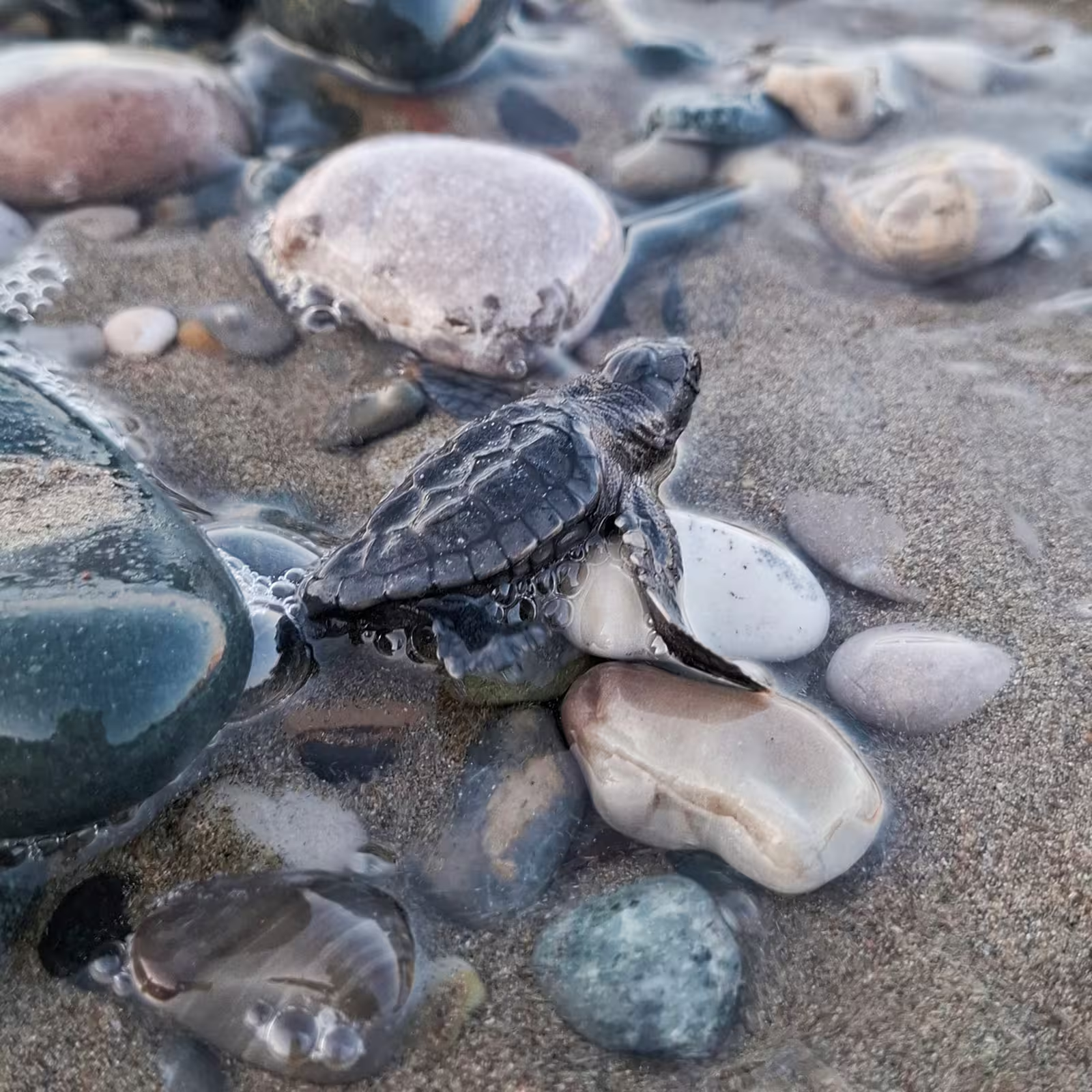
Instead of heading toward the sea, guided by the moon, the hatchlings were crawling toward the streetlights.
Once, on a moonless night, a large nest hatched; we were shocked to find the sand covered in tiny tracks in all directions.
helpingWe spent hours collecting them; some were in the parking lot more than 200 meters away! Then we had to erase all the tracks so we wouldn’t confuse them with fresh ones the next day.
helpingAt the end of the season, we dig up the nests to count how many hatchlings emerged. These numbers are reported for statistical tracking.
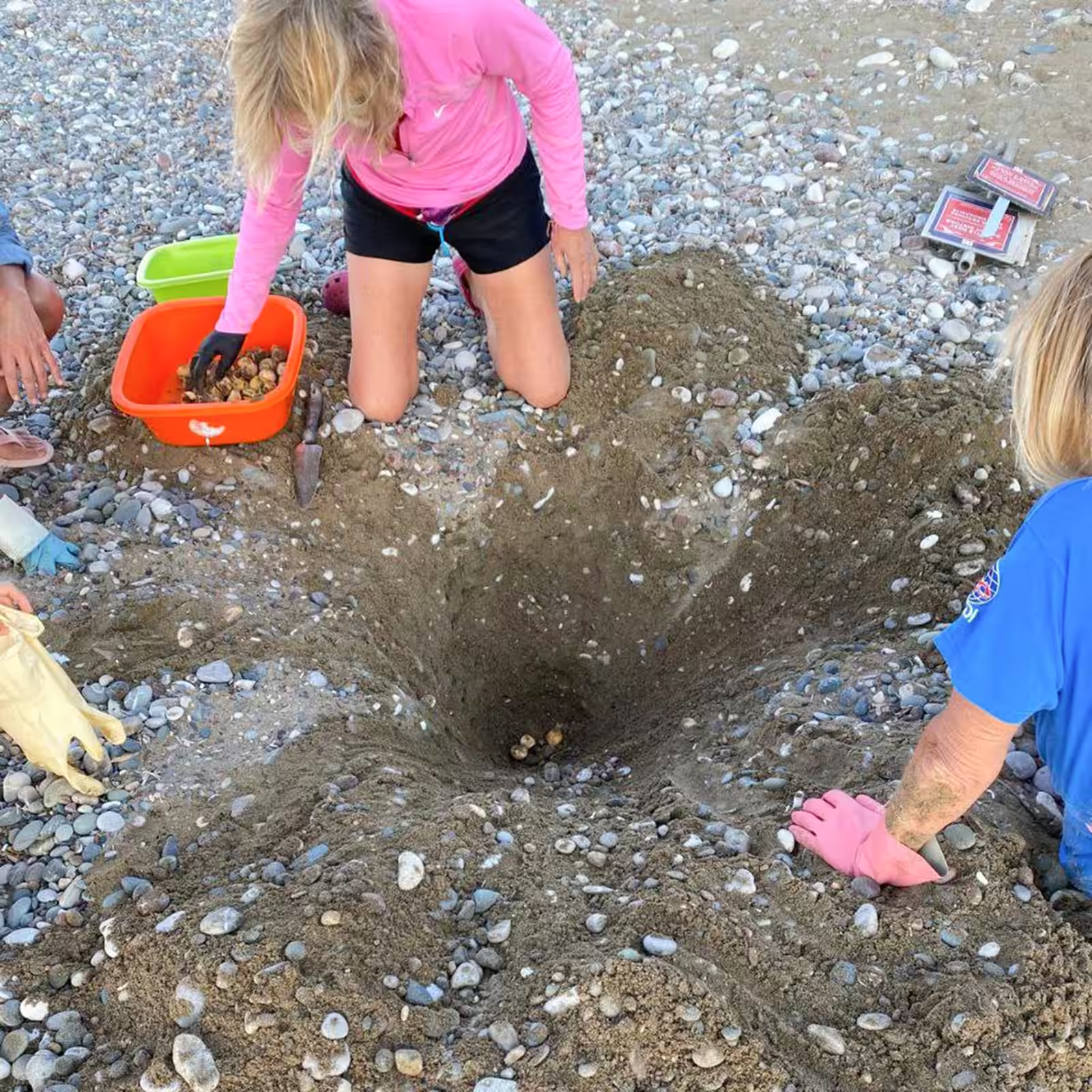
Our main principle is “maximum protection with minimal interference”. We don’t move nests or catch turtles; we create conditions where nature can do everything, but with fewer risks from humans or predators.
helpingWe protect and monitor the nests until the little ones hatch and reach the sea.
helpingHuman activity is the biggest challenge. Tourists damage nests by placing umbrellas or digging holes. Bright lights from street lamps and buildings disorient hatchlings, so they crawl away from the sea and die. We also protect nests from natural predators like foxes.
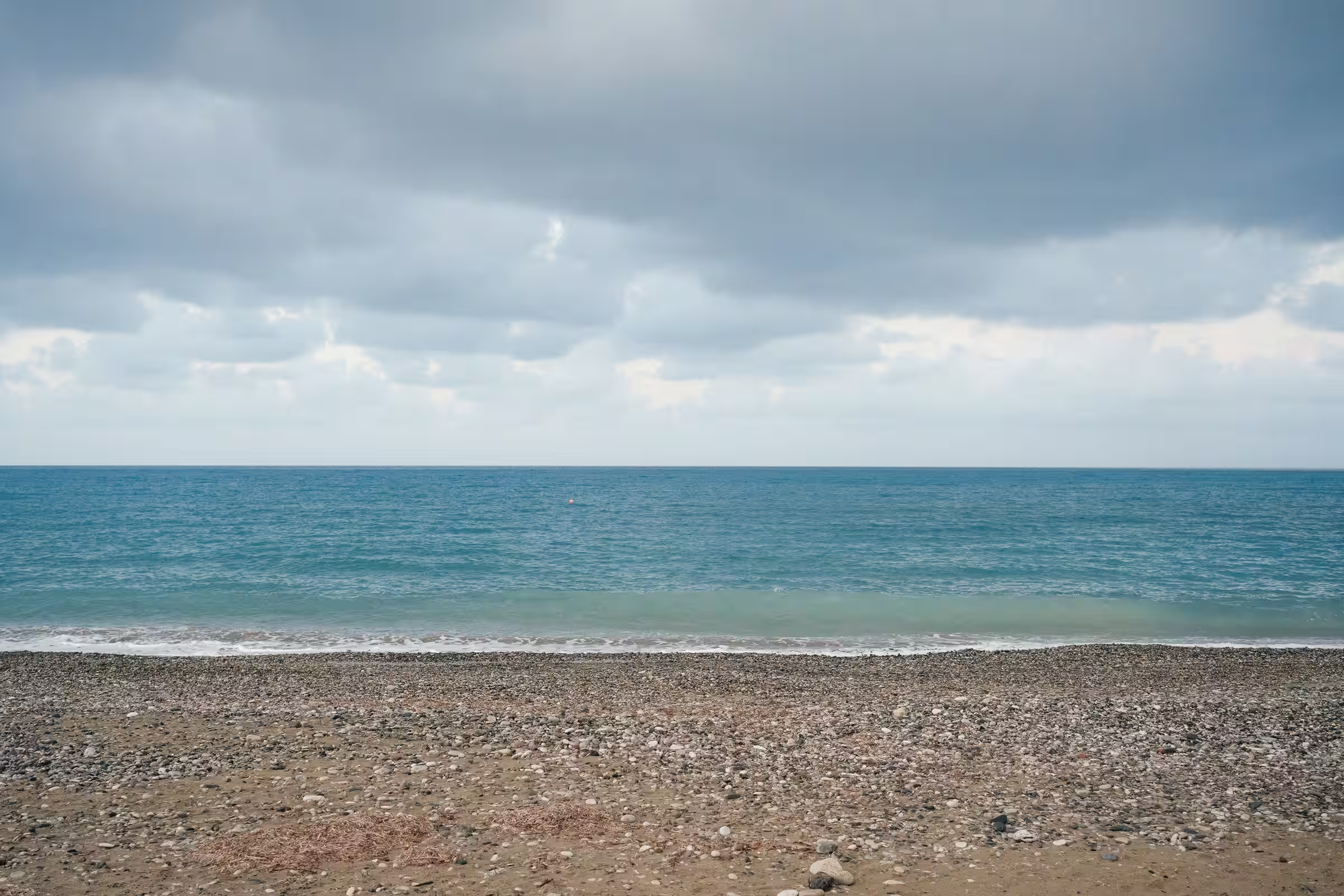
Ahead lies a long and dangerous journey. But when they disappear into the waves, I feel deep relief and joy.
It’s incredible to see hatchlings reach the sea – their determination, and how they paddle even harder once they’re in the water.
helpingI would love to see a full-fledged Turtle Protection and Rehabilitation Center in Cyprus. As volunteers, our capabilities are limited. We often find injured hatchlings, but we lack the expertise, knowledge, and facilities to help them. We have to release them and hope for the best. I hope that one day we’ll have specialists and resources to treat these animals and return them to the wild.
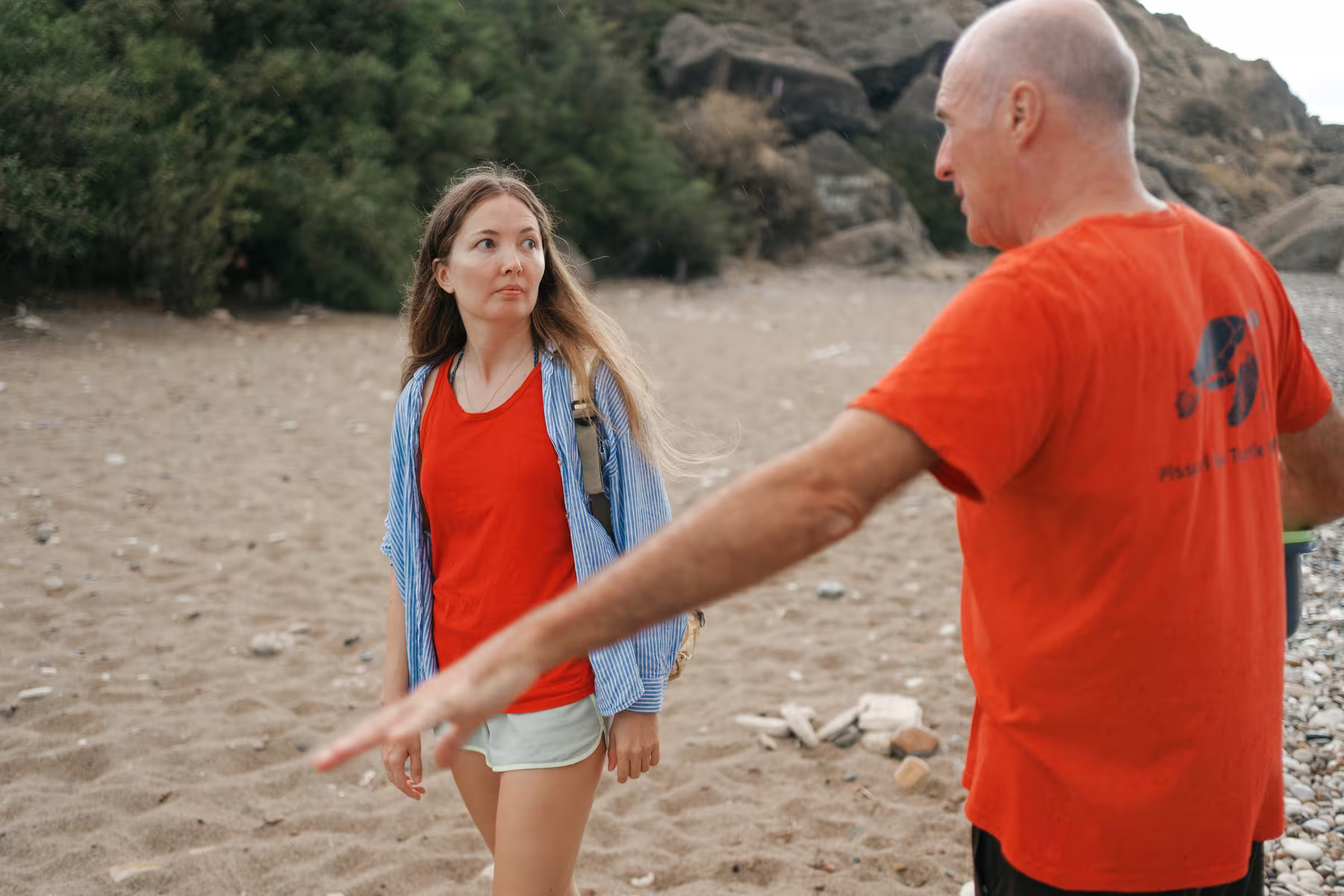
For me, volunteering is a way to make a tangible impact. Global problems feel too big to solve, but here I can focus on something concrete.
helpingEvery rescued hatchling contributes to the survival of the species. It’s a daily reminder that even small efforts matter.
helpingI joined inDrive four months ago as a geo-analyst on the GeoMaps team. I analyze, process, and verify cartographic data used for key inDrive functions: from accurately determining pick-up and drop-off points to route optimization and fare calculation. What I value most in my work is its significance and practical impact – knowing that my efforts directly affect the accuracy and functionality of a product used by millions of people is incredibly rewarding.
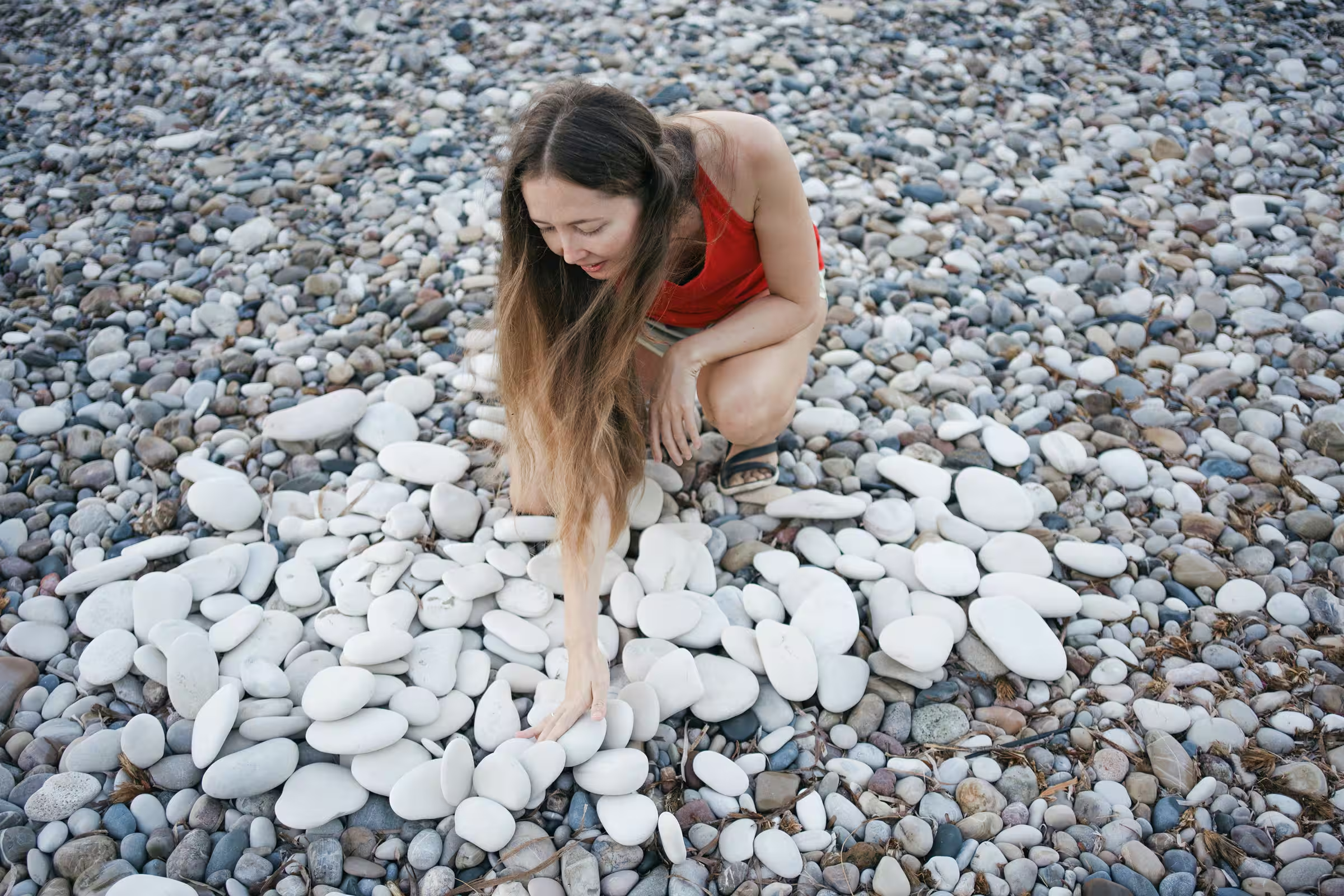
My volunteer work helps me better understand inDrive’s mission of “challenging injustice.”
helpingOur descendants deserve a world as beautiful and diverse as the one we have today. By helping preserve this balance, I feel connected to the company’s values and goals.
helpingMy message for colleagues is simple: do something every day toward your goal. Daily efforts, even small ones, lead to big results. Find your way to contribute and act without delay.