
(04)
You don’t need to do much —
just take a couple of hours and
donate blood.
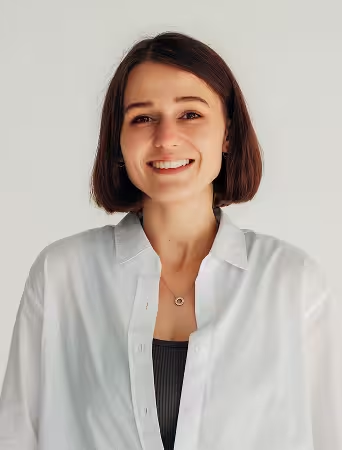
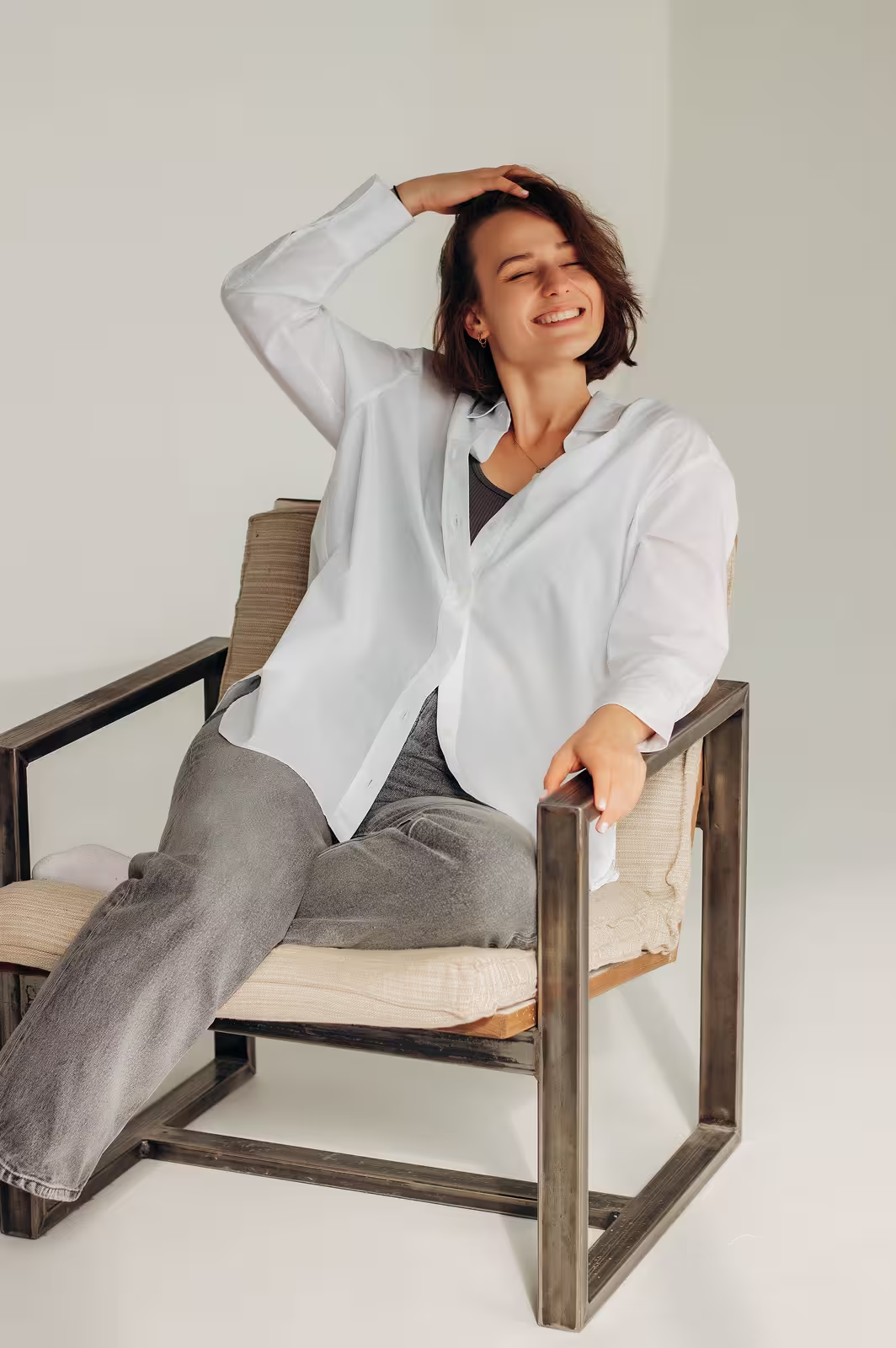
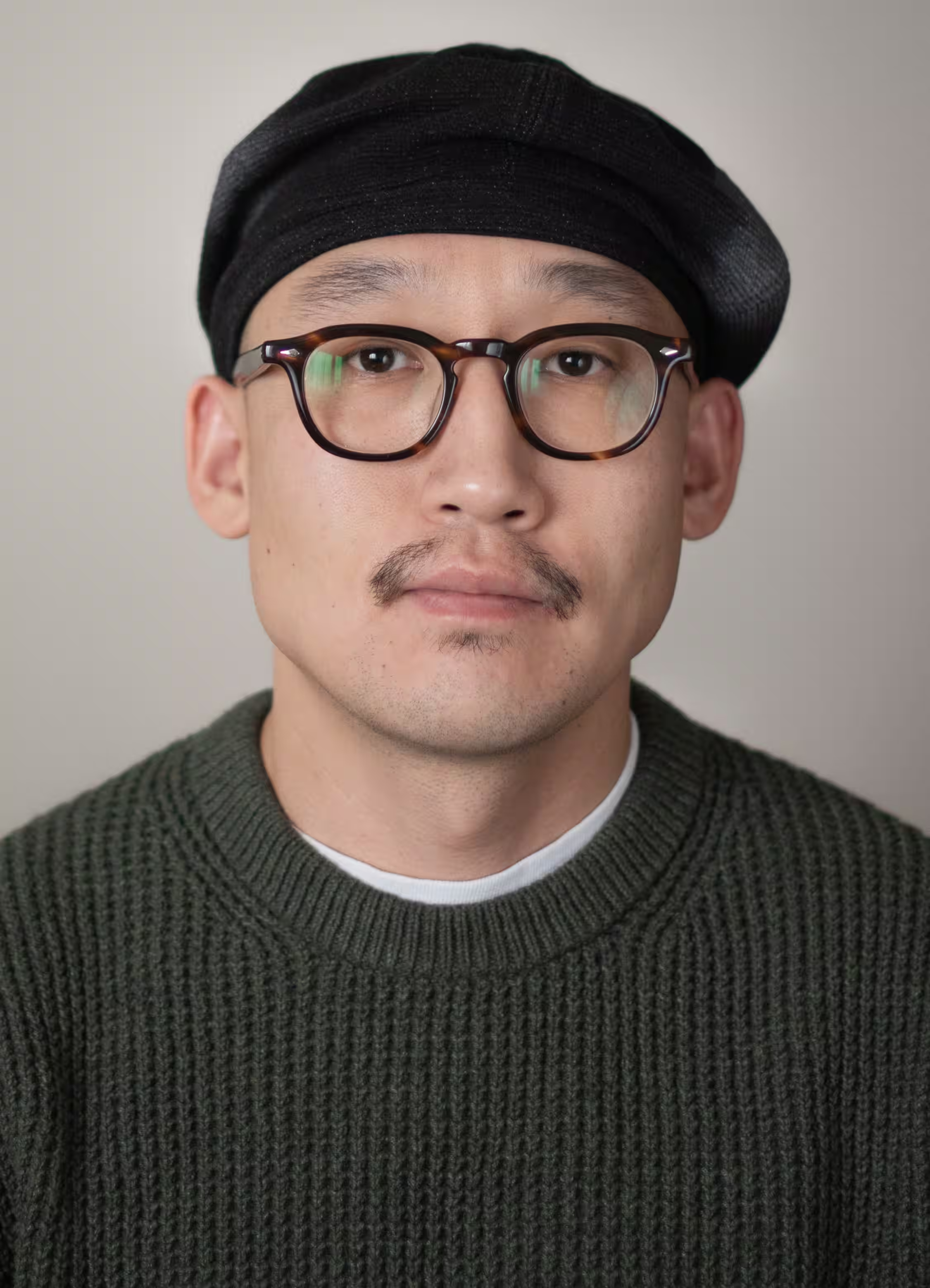
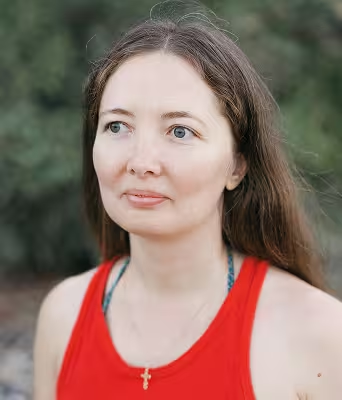
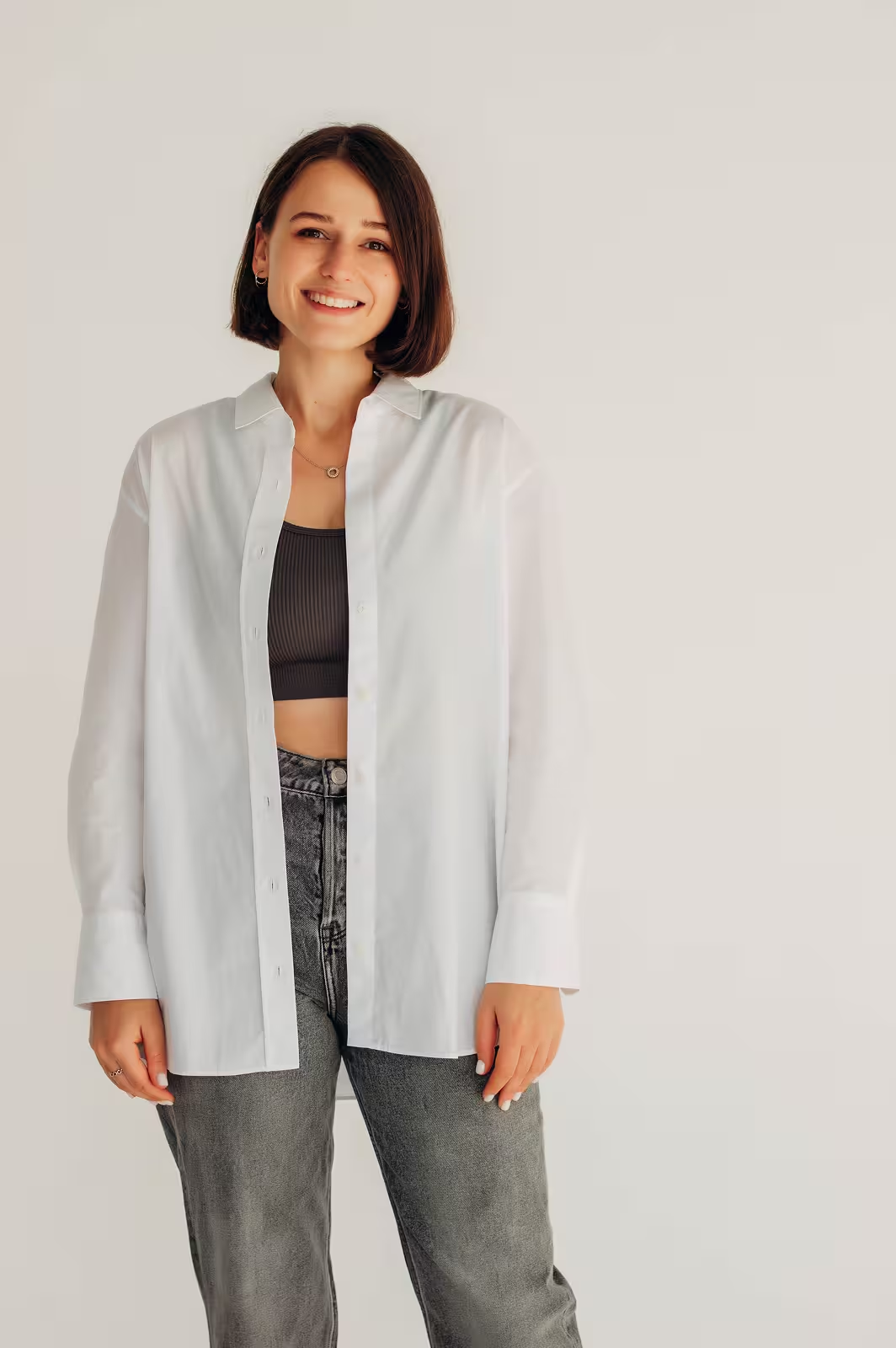
Elizaveta Neverova / Brand Manager
She inspired me and recommended a donation center. I had some concerns about hygiene and safety, so having someone I trusted to reassure me helped a lot.
About seven years ago, when I worked at an agency, I wanted to find something simple yet meaningful to do. My manager told me about donating blood — and mentioned that you even get a day off work for it, a great motivation to start!
helpingI was nervous because I wanted to prepare properly. You need to avoid fatty and fried food for a few days prior; no alcohol, smoking or heavy exercise on the day of donation; and avoid getting tattoos for some time beforehand. When I arrived, everything was organized: I filled out a questionnaire, had a quick check-up, and waited my turn.
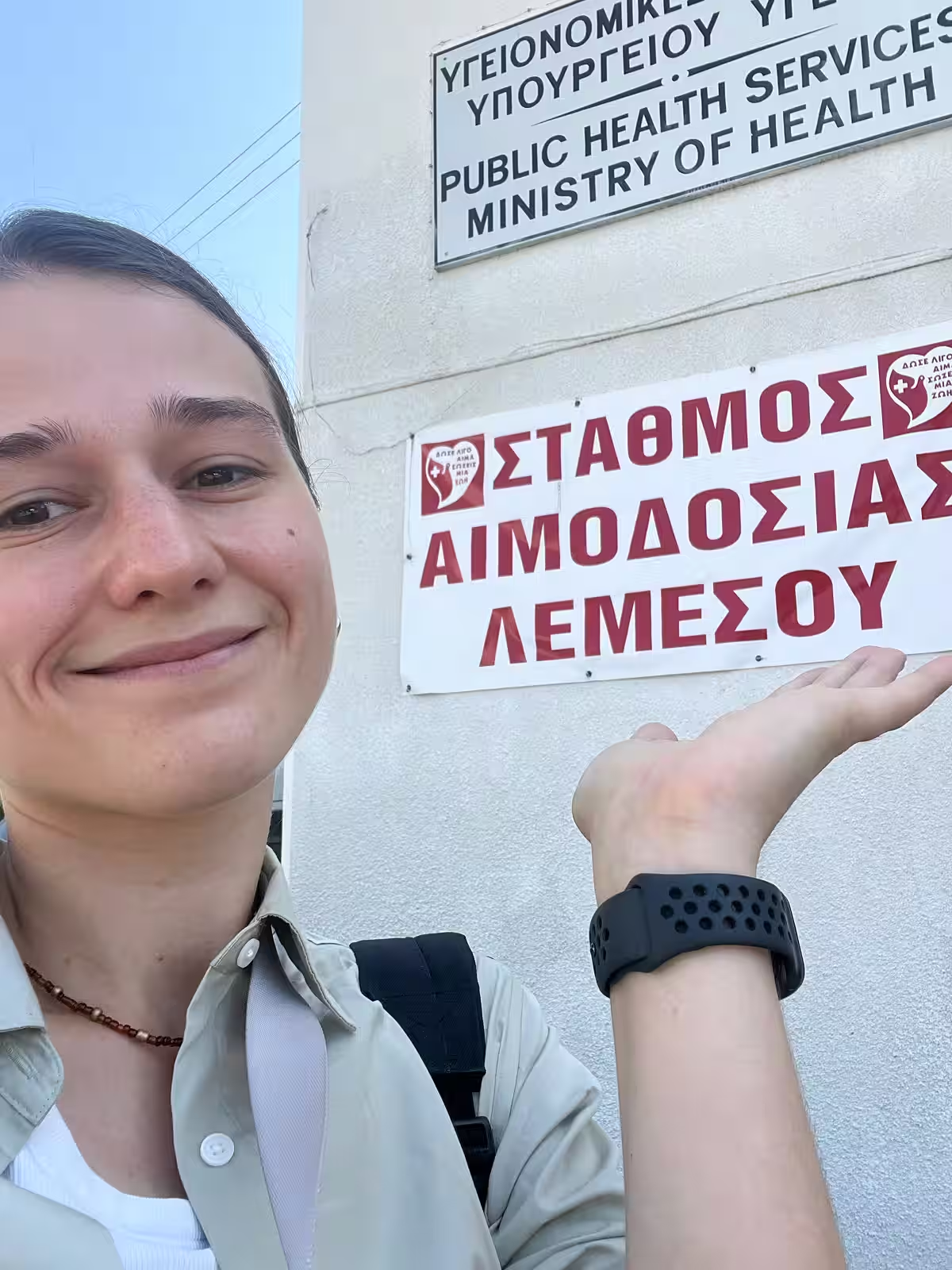
There are so many myths around blood donation. I worried whether the equipment was sterile, whether it would hurt, and what would happen if I felt unwell. Reading about it online and talking to people who had donated helped. After the first time, most fears disappear.
helpingIt takes about an hour of your time but can literally save someone’s life. I’d say — just go and try it! If at any moment you feel uncomfortable, you can always stop; no one forces you to stay. The medical staff check on you every few minutes. If you’re healthy and have no medical restrictions, your body will fully recover in just a few days.
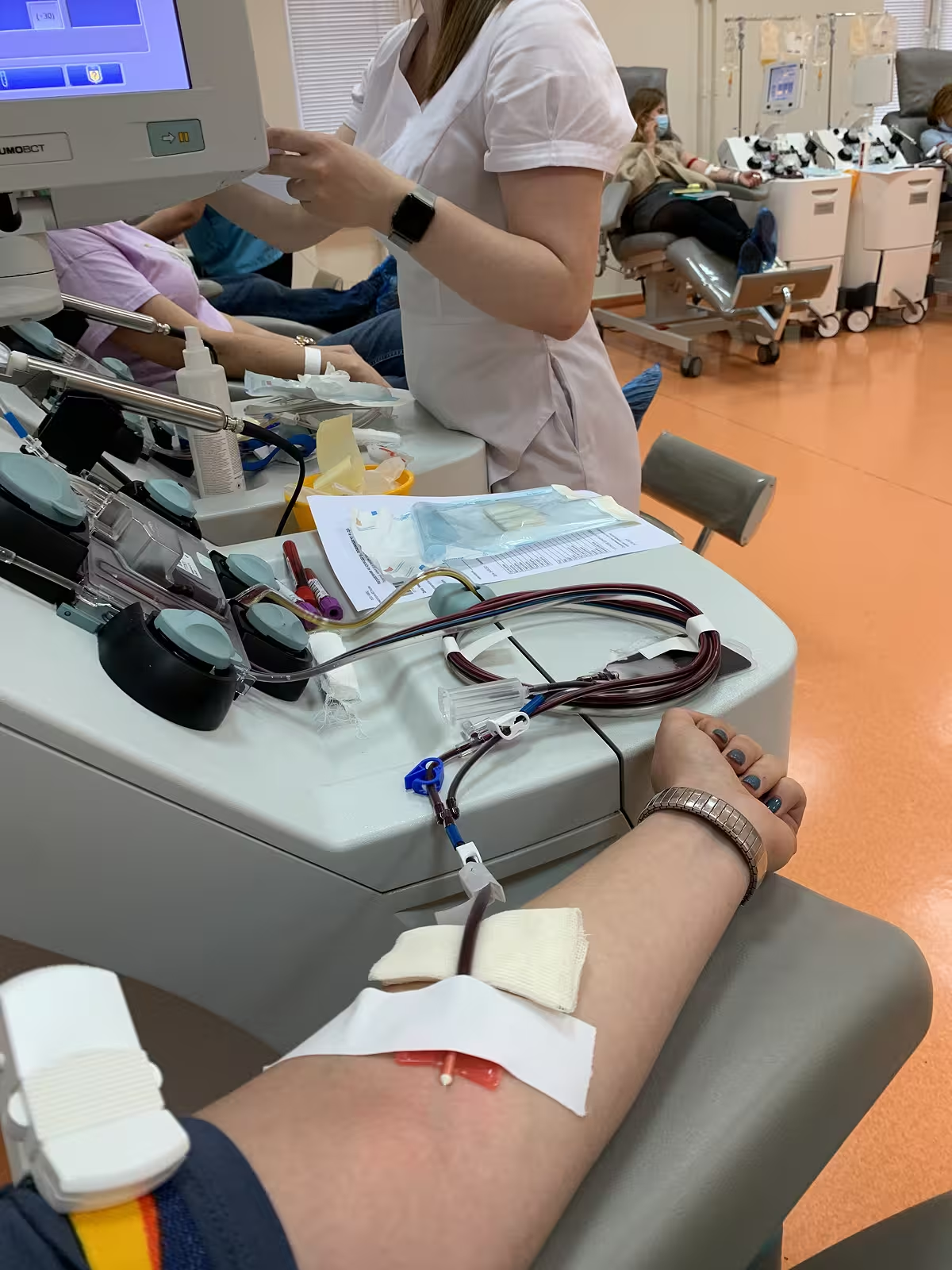
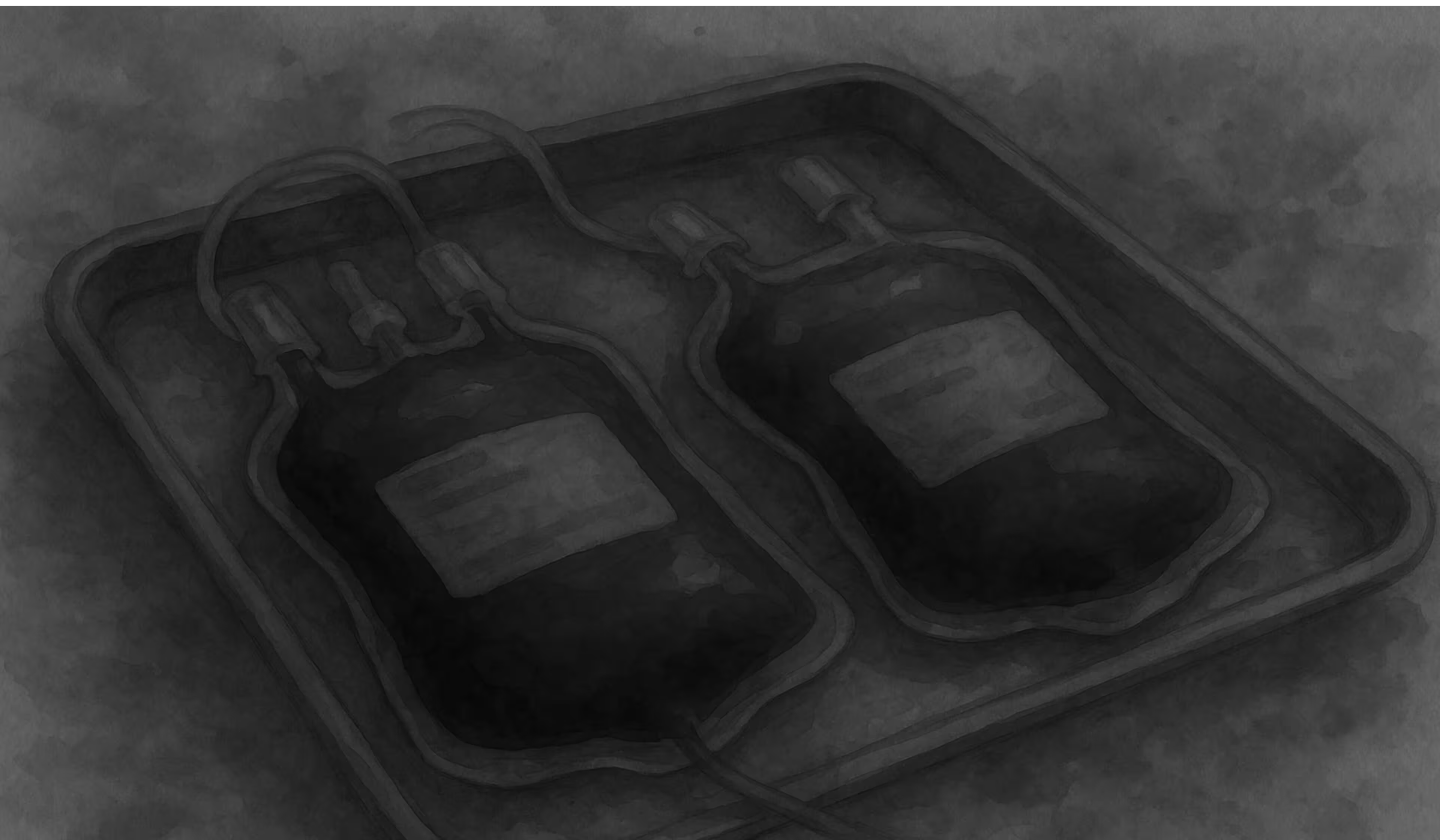
Usually, I donate whole blood (about 450 ml), which is quick. This is used for surgeries, and to treat injuries, burns, or accidents with major blood loss, anemia and conditions that require extra red blood cells to carry oxygen.
helpingA funny, but educational story – once, they suggested I donate plasma – the liquid part of your blood that contains proteins, clotting factors, antibodies, hormones, and enzymes. They use this to treat severe burns, support patients with bleeding disorders (like hemophilia), and to make life-saving medicines.
Donating plasma takes a bit longer, because the machine
separates plasma from your blood and
returns the rest to you.
helpingAfter a while, I started feeling unwell. Normally, when someone feels faint, they tilt the chair back or use smelling salts. But I looked so pale that they decided to inject atropine — it raises blood pressure and dilates blood vessels. It causes a sudden wave of warmth moving from your lower body upward, and honestly, it feels exactly like you’ve just peed yourself! The doctor didn’t warn me, so I was shocked and embarrassed for a moment. Later, my colleague reassured me it happens to everyone.
helpingSo my tips are: prepare properly, ask the staff about anything, even silly questions, and find a “donation buddy” to share experiences with.
helpingWhat’s truly amazing, though, is bone marrow donation. I’m on a registry — to join, you give a blood sample for typing and sign consent. If you’re a match for someone, they contact you, prepare you, and then either take bone marrow under anesthesia or collect stem cells, similar to a plasma donation. If it works, you can meet your recipient after two years! It’s incredible to think that a tiny part of you can save another person’s life.
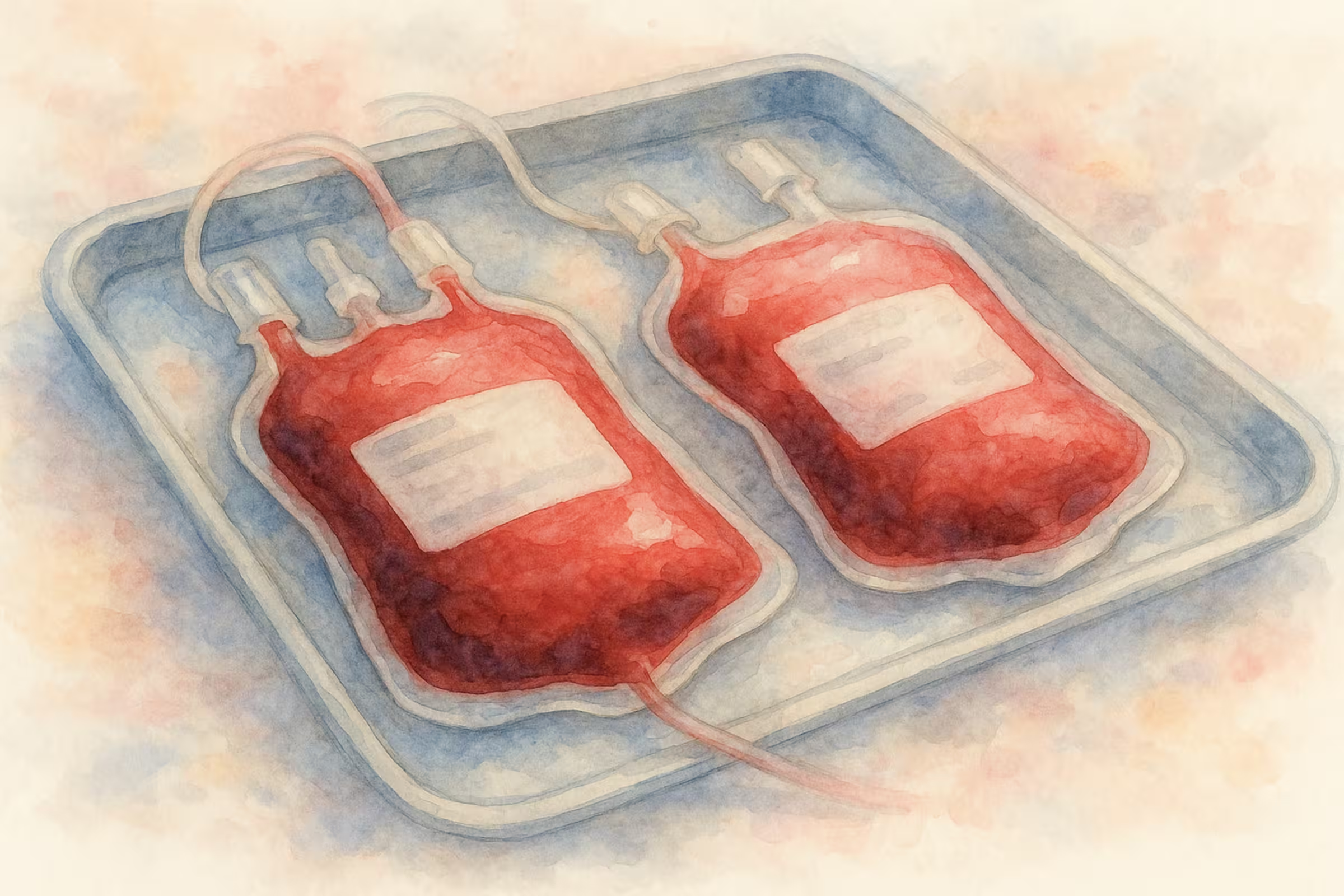
So, if you’re thinking about donating, check your country’s requirements and approved centers.
helpingIn Cyprus, the system is quite creative — they set up donation stations in convenient places like malls or during festivals, so people can donate spontaneously without traveling far. It really helps increase participation.
helpingYou never know when someone close to you might need blood — after surgery, an accident, or illness. The world is unpredictable, but your body itself can be a tool for helping others. You don’t need to do much — just take a couple of hours and donate blood. We’ve already had a few donation drives at our inDrive office in Cyprus.
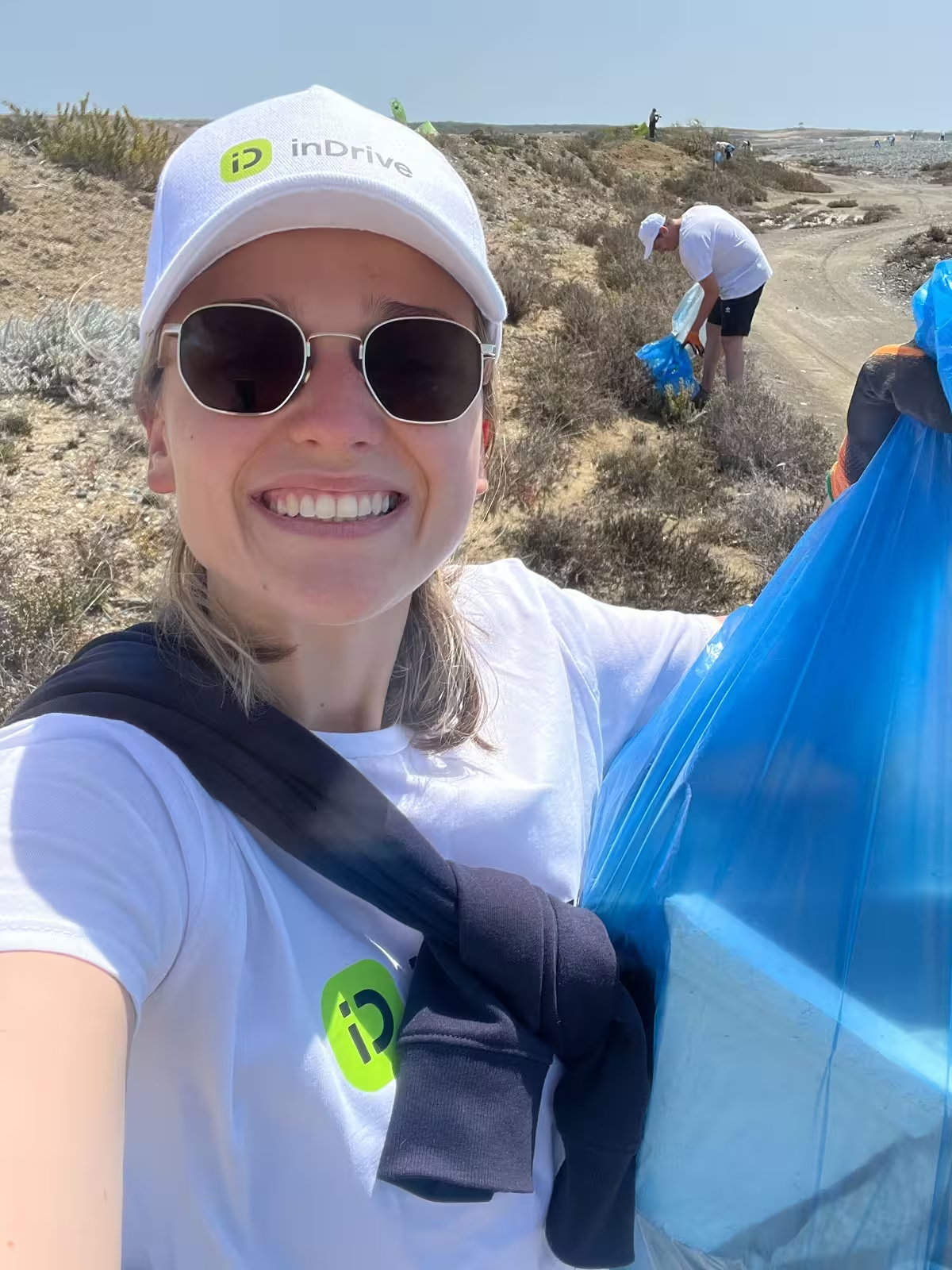
Helping others and giving back to the community is a part of my life. I try to include it in different ways — joining clean-up days, planting trees, supporting animal shelters, or donating to charities. So being a donor feels like a natural extension of that, not something extraordinary. Sharing kindness with others always matters.