
(03)
Art can change a person quietly, not through slogans but through attention, empathy, and observation.
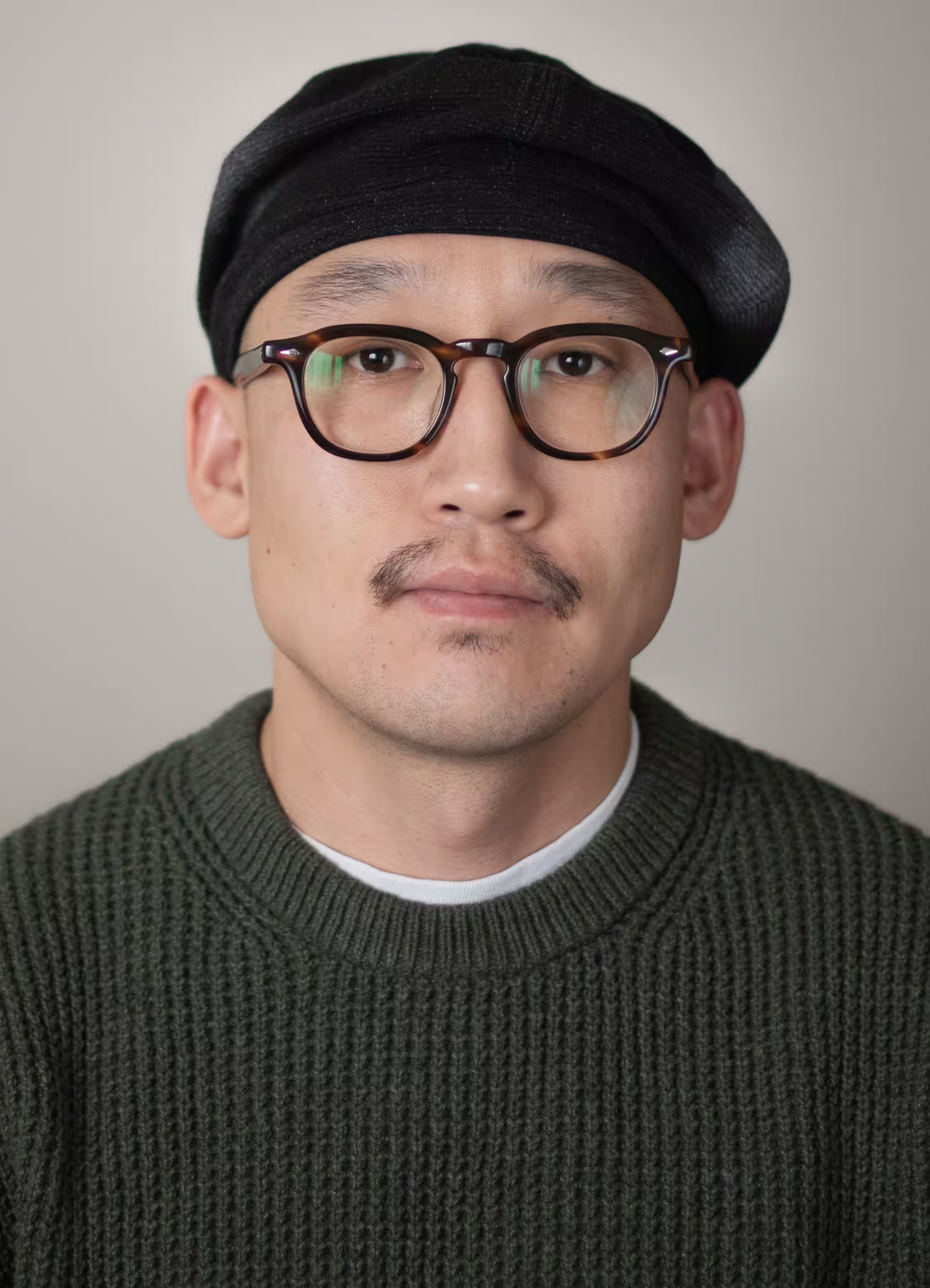
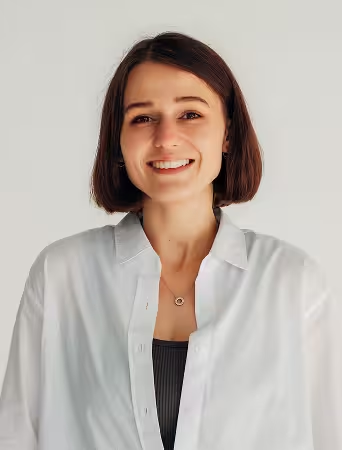
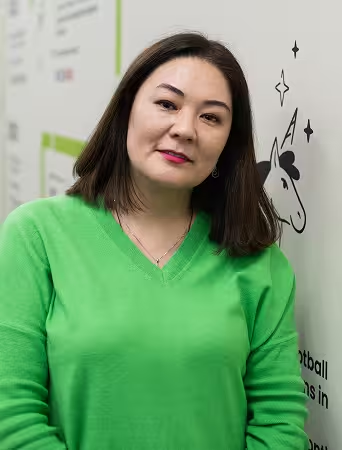
Lesha Pavlov /
Engagement Project Specialist
Gradually, I realized that photography could be not just a way to record things but a way to understand them, and since 2018 it has become something much more than a hobby for me. It is my language, my way to speak about what matters, and to influence what I care about.
I started doing photography back in university. At that time it was just trendy to have a film point-and-shoot, and I had one too: I photographed my friends, parties, and random scenes around me. It was more about curiosity and excitement than any clear intention.
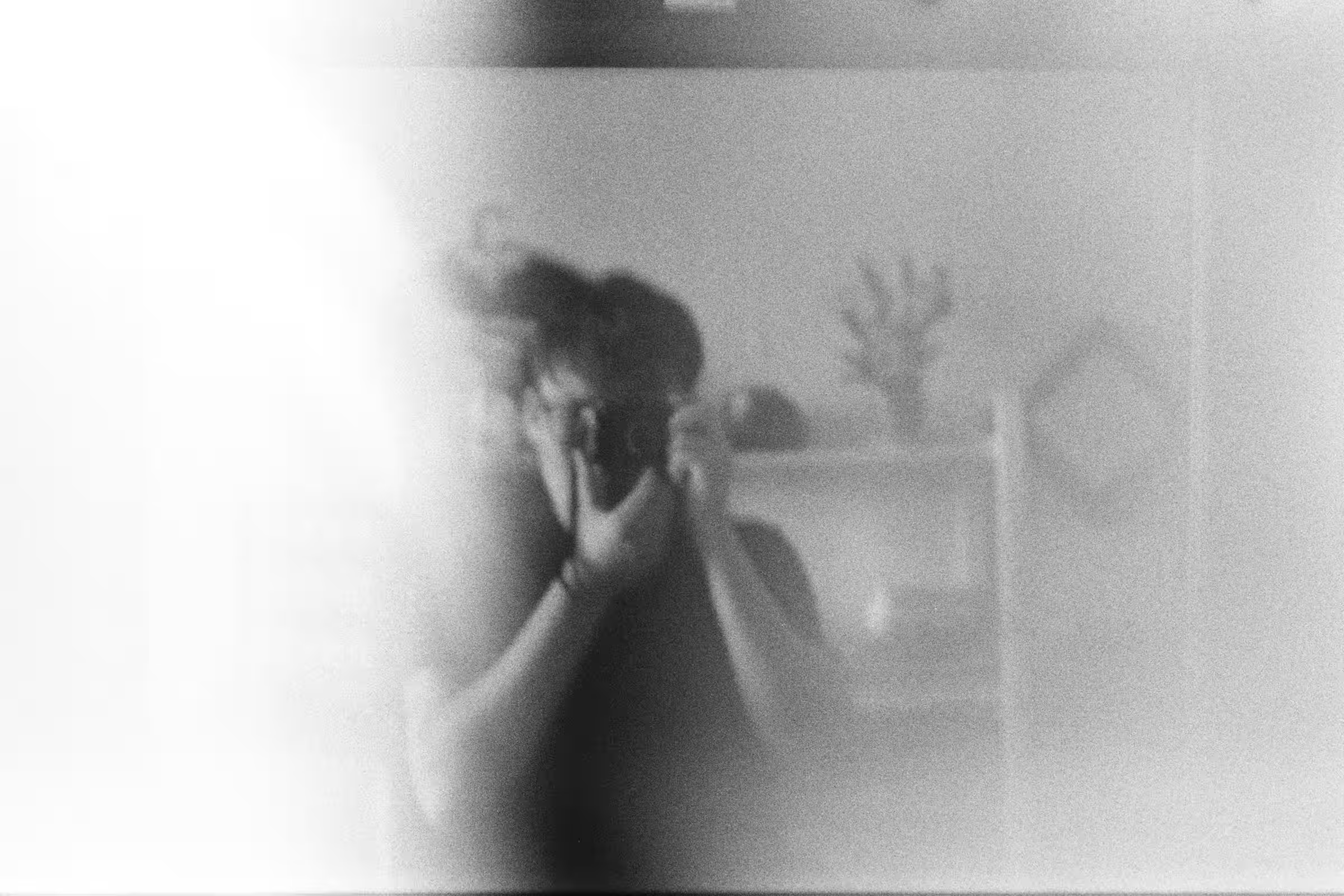
Over the years, photography has turned into a form of reflection for me, a tool for empathy and for seeing the invisible.
helpingI’m drawn to small, quiet details that reveal the bigger picture: a gesture, a trace, an atmosphere that carries memory. I like when an image resists clarity and keeps a sense of uncertainty, like life itself. Through my work, I try not to explain but to listen and translate that quiet tension between people, time, and space into something visible.
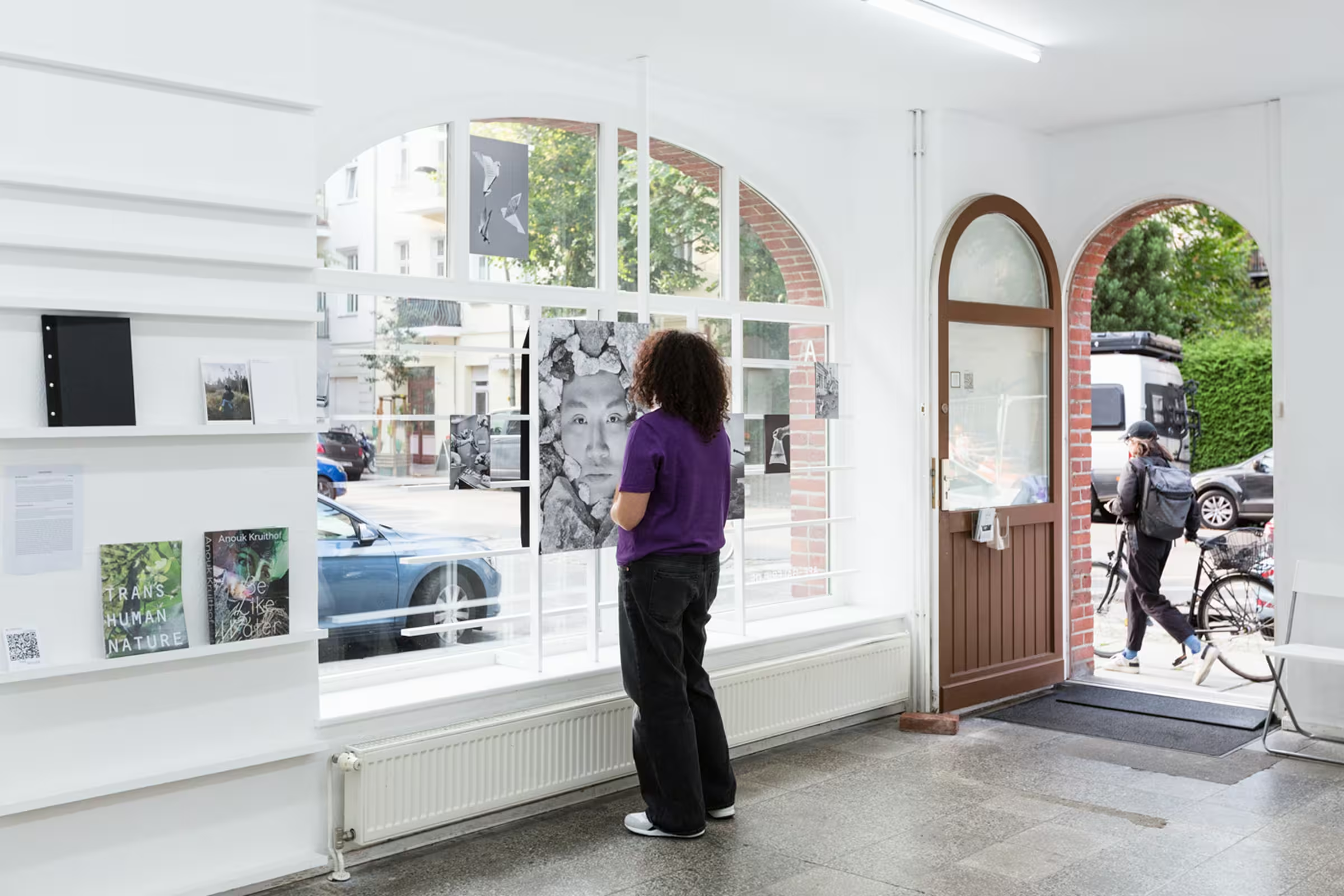
Through my projects, I explore how the past weaves into the present, how space shapes us, and how we, in turn, shape the space around us.
I believe in soft power, in the idea that art can change a person quietly, not through slogans but through attention, empathy, and observation. I’m interested in human connections, in memory, and in how the personal becomes shared.
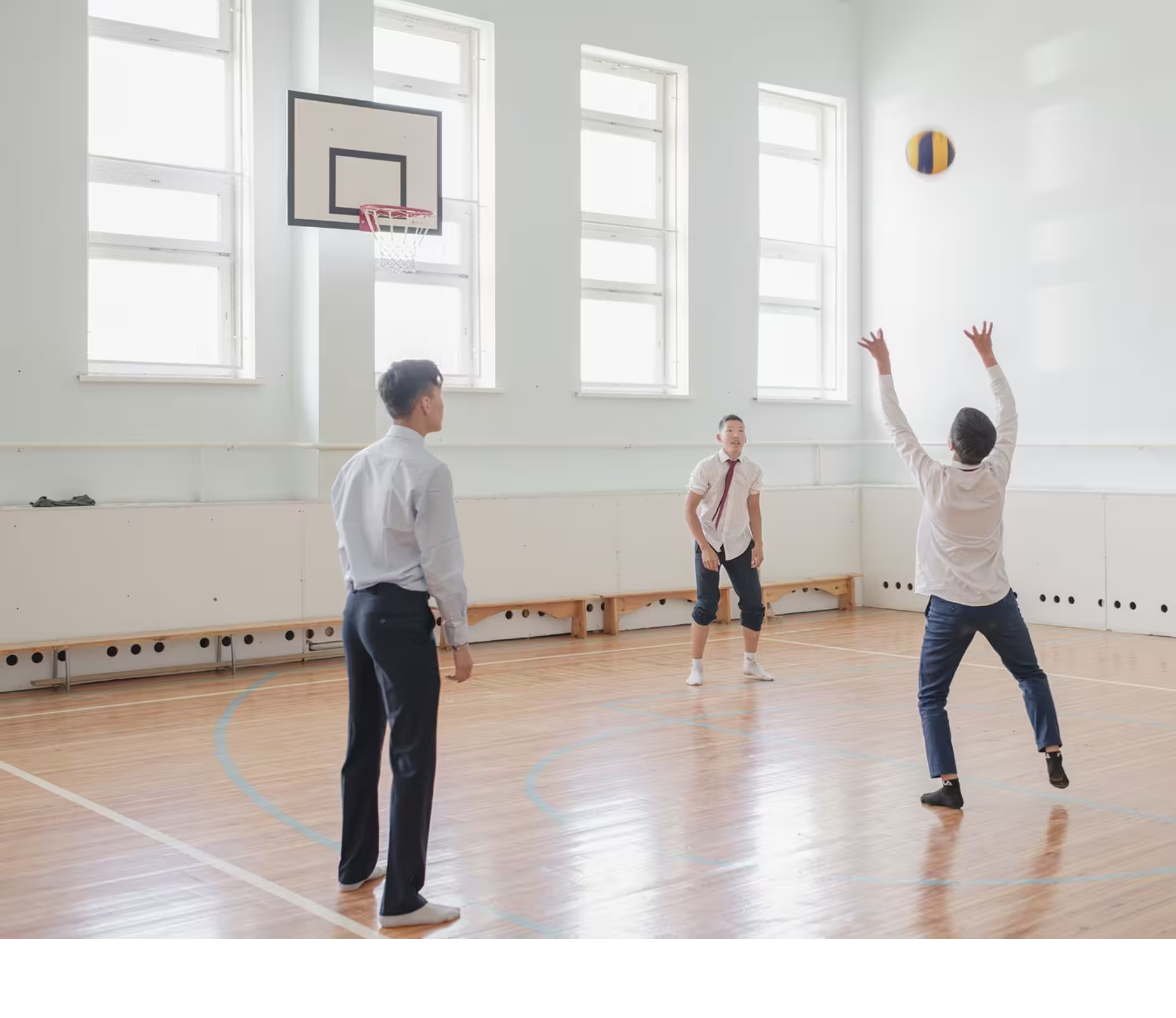
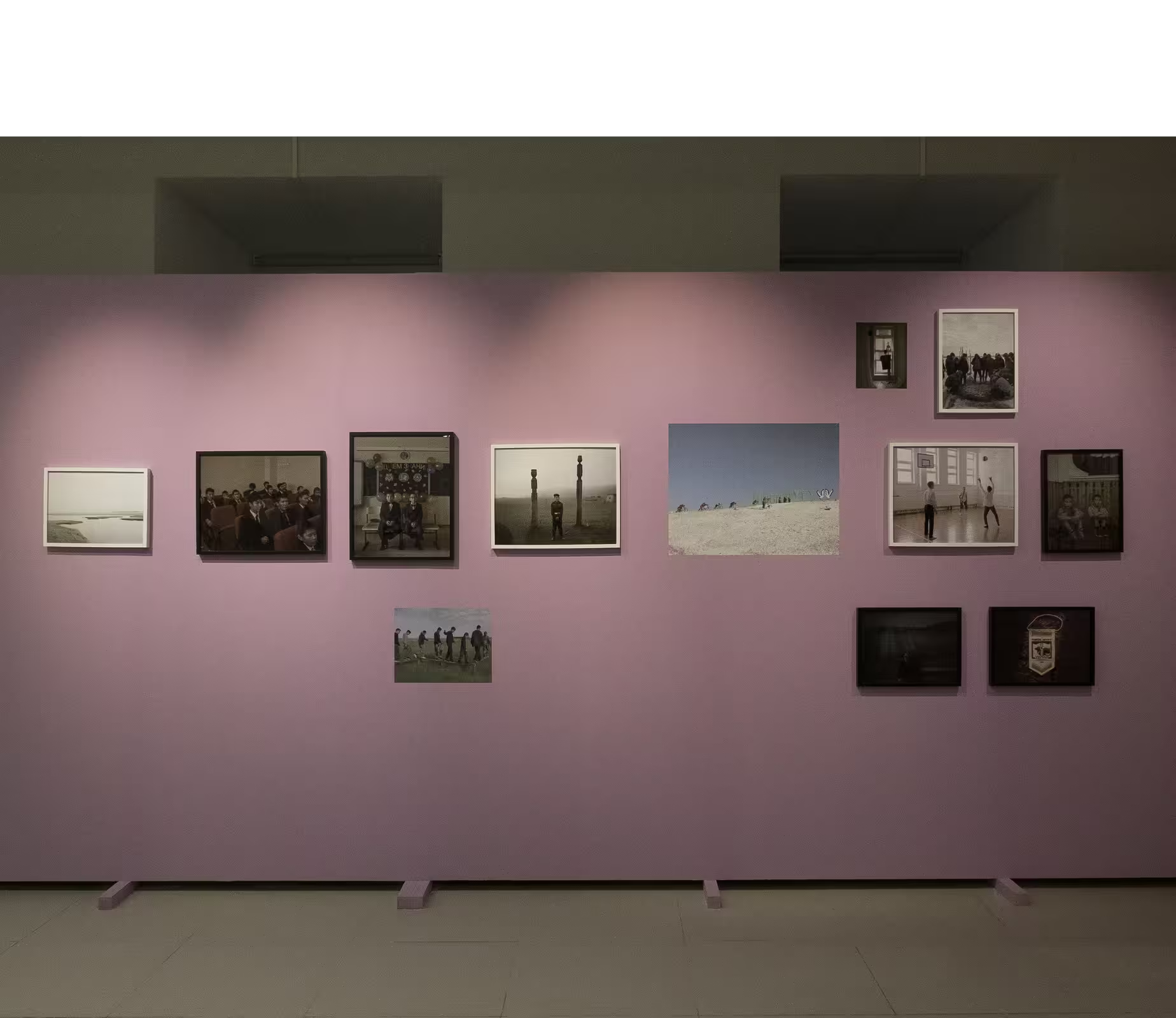
One of my first major projects was Boyhood. It is dedicated to the place where I grew up and studied, a boys’ gymnasium in my home village.
helpingThrough this project I tried to understand how the environment, traditions, and the education system shape ideas of masculinity. For me it is a story about growing up within a specific context, an attempt to look at it not as a memory but as a living structure that still influences who I am becoming.
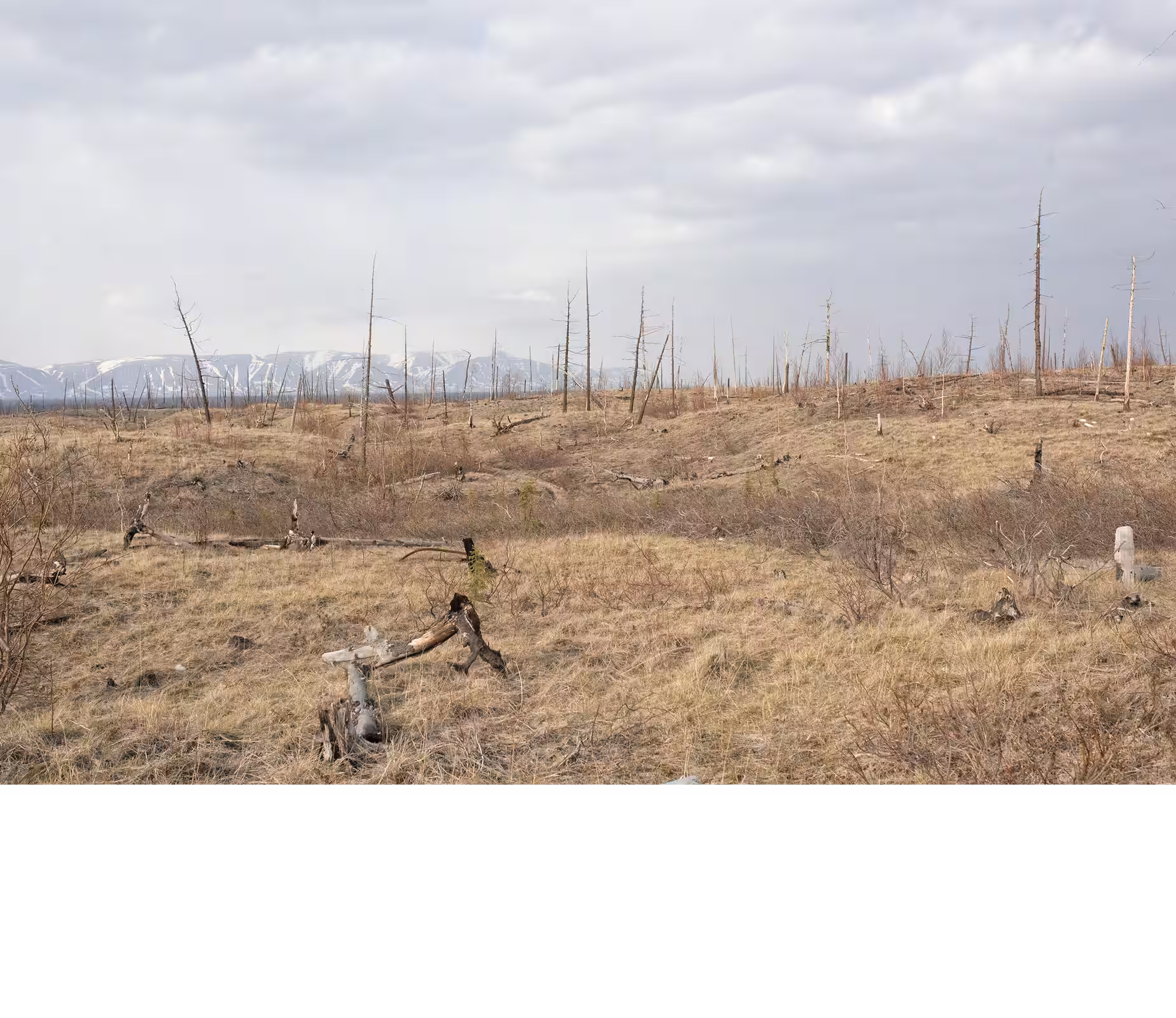
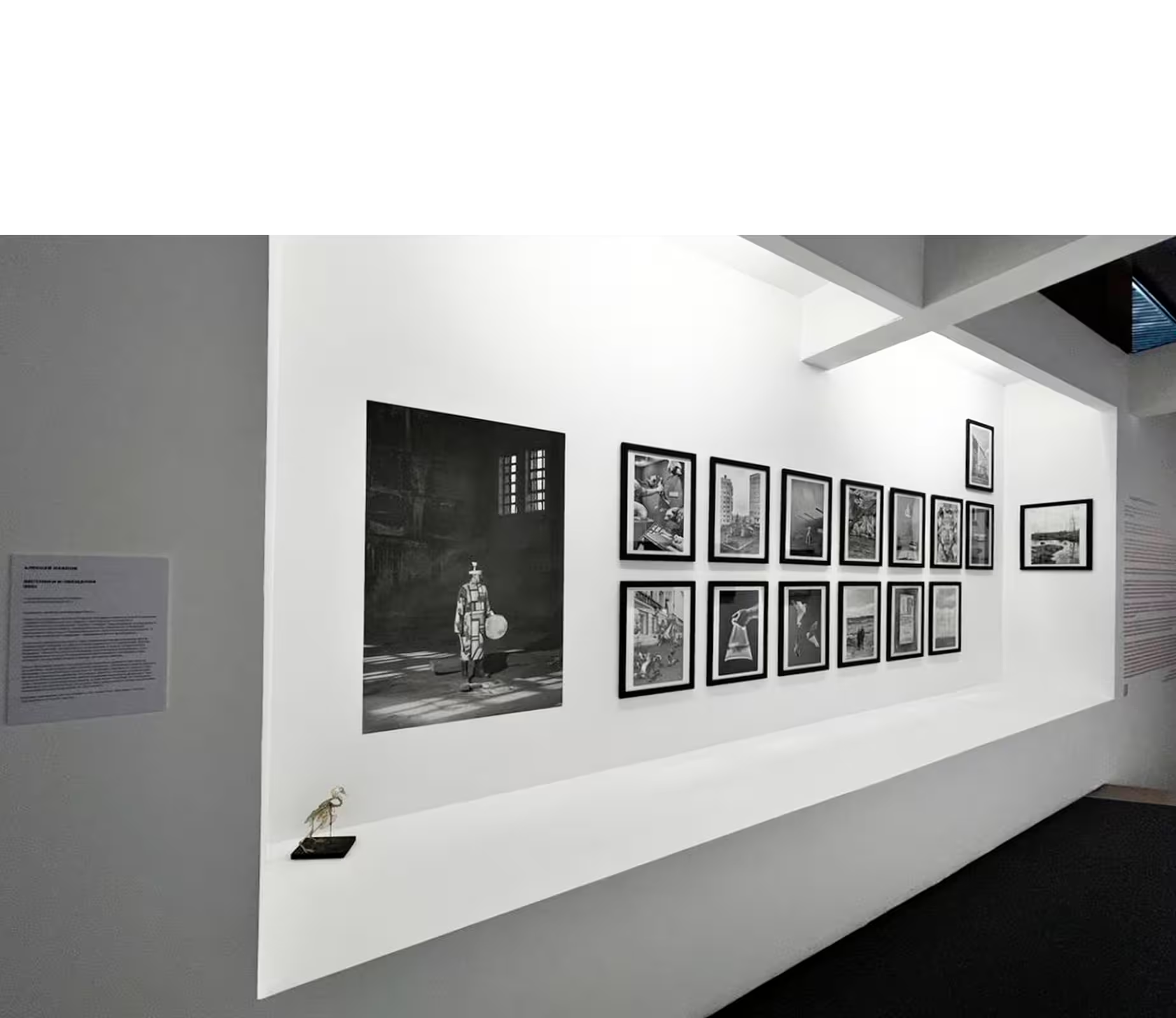
Messengers and Promises came later as an attempt to look at the environment we live in and see it as a kind of living interlocutor.
helpingI photographed Norilsk, the industrial north, but what mattered most to me in those images was not industry but the birds that keep flying among the chimneys. I tried to speak about survival and hope, about the ability of nature and people to coexist even when the environment feels hostile. It is a reflection on endurance and fragility, on how life finds its way despite everything.
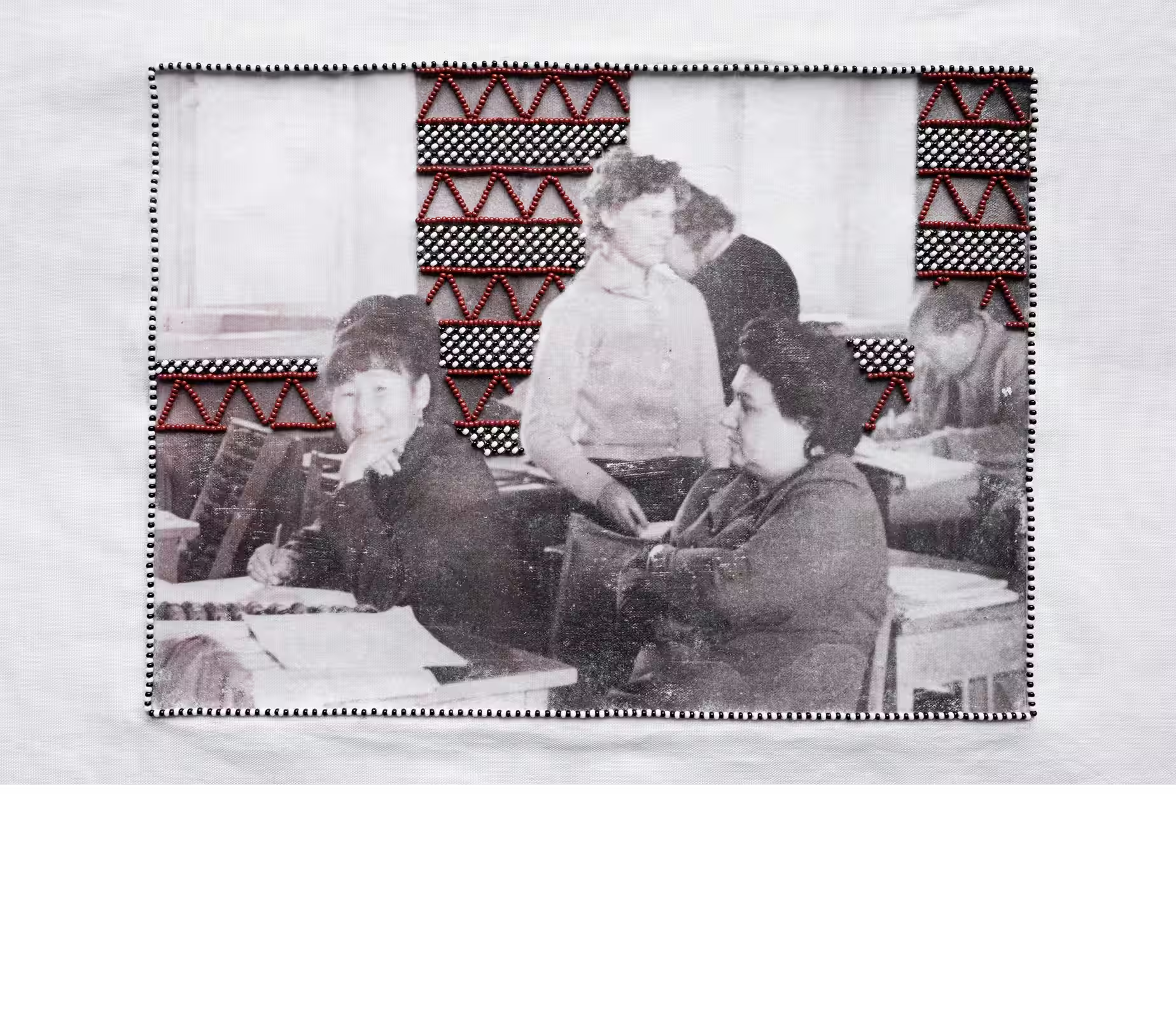
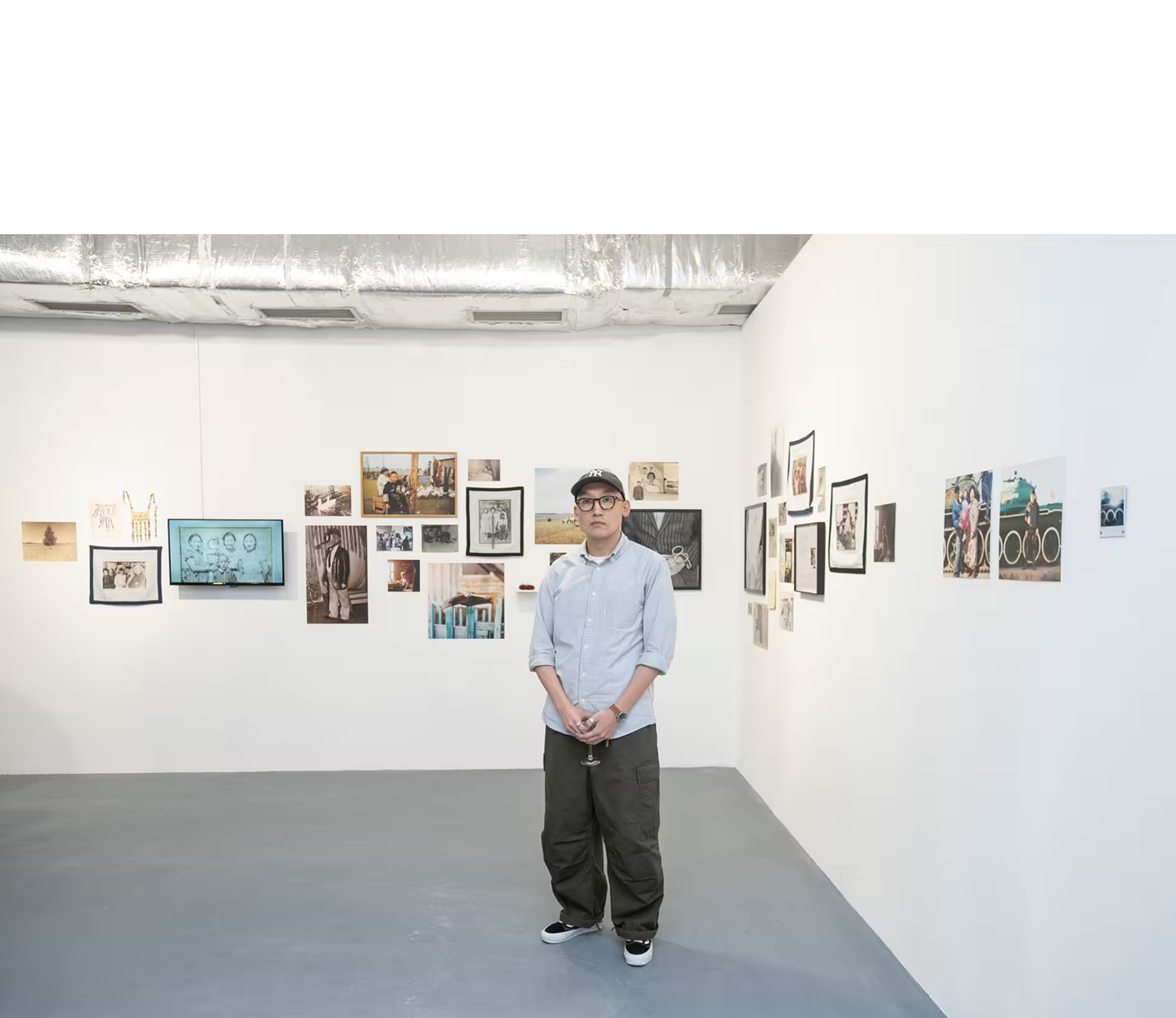
Thread the Needle is my most personal project. It grew out of a family archive, from memories of my grandmother who used to sew, and from the threads that connect generations.
helpingI returned to old photographs, objects, and voices, trying to stitch them together again, not for the sake of nostalgia but to understand how memory becomes a form of resistance to oblivion. This project helped me see that art can be not only about expression but also about care: for oneself, for family, for roots. It also became a way to explore how personal memory turns into collective memory, how small domestic gestures like sewing can hold entire worlds of meaning.
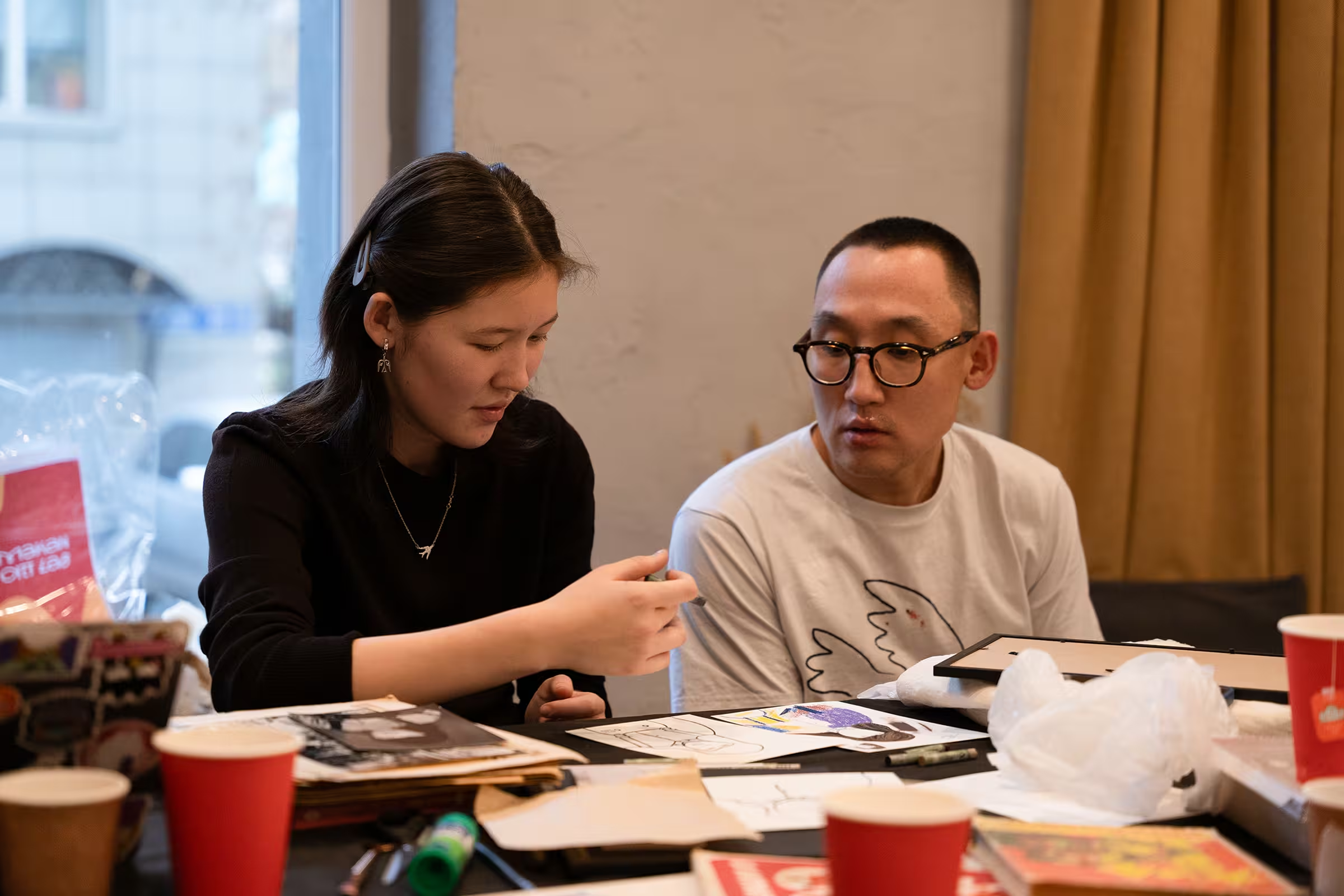
Photography gave me not only a way to speak but also to share. I often teach and run workshops on photography and contemporary art for children and teenagers.
helpingThis part of my practice is very important to me because I see how art can become a language for young people when words fall short. Teaching allows me to step outside my own perspective and remember that creativity is not about control but about trust: in others, in process, in the moment itself.
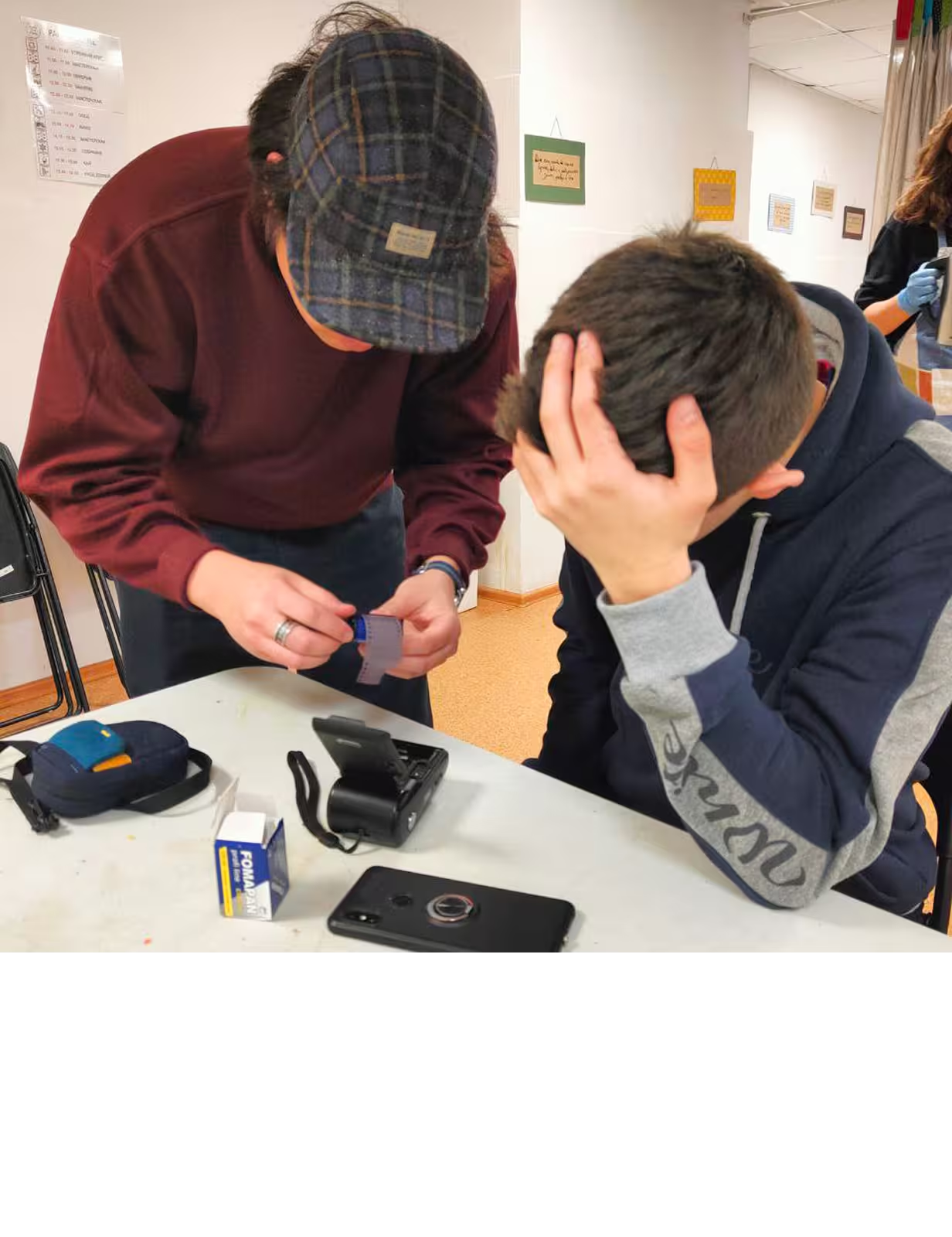
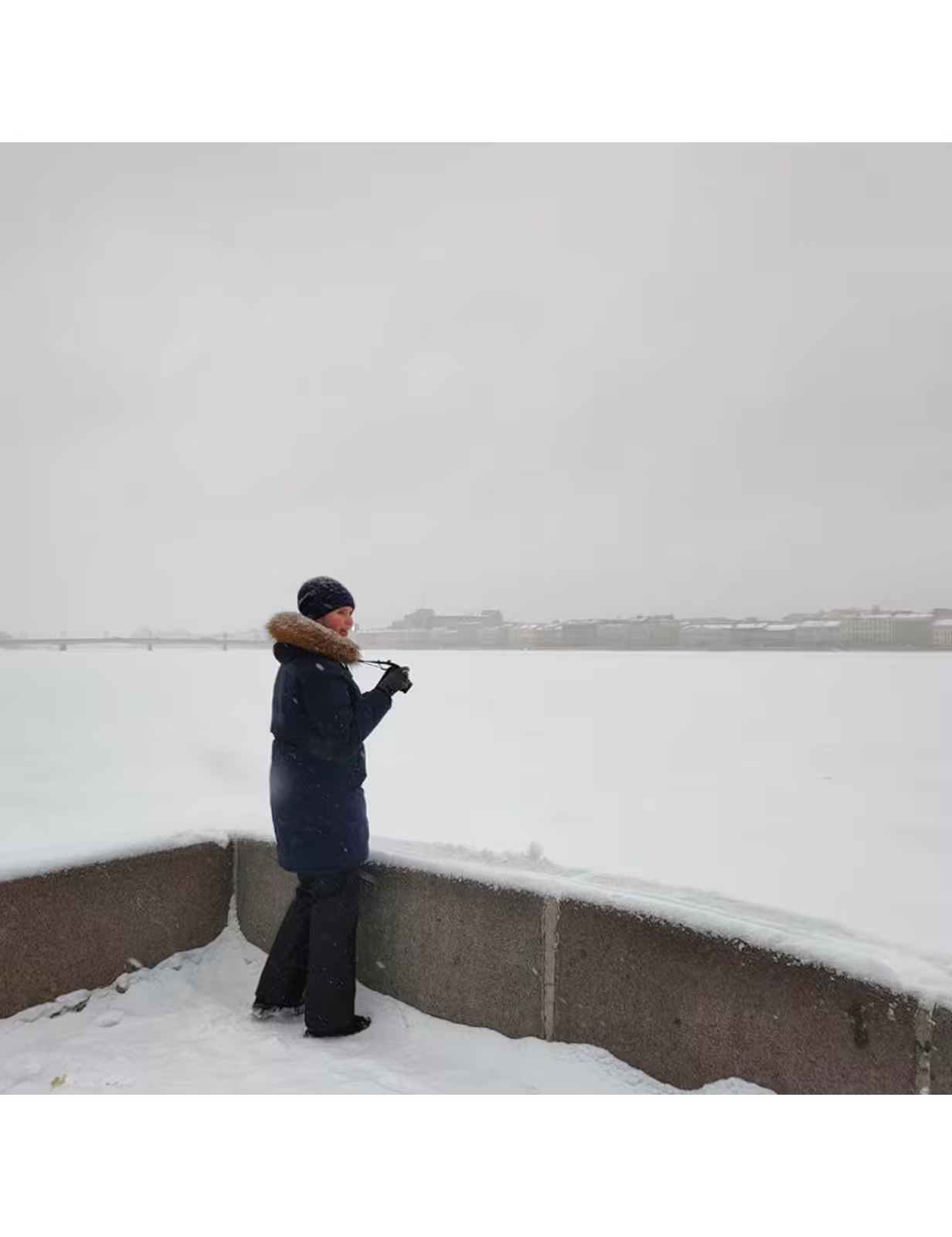
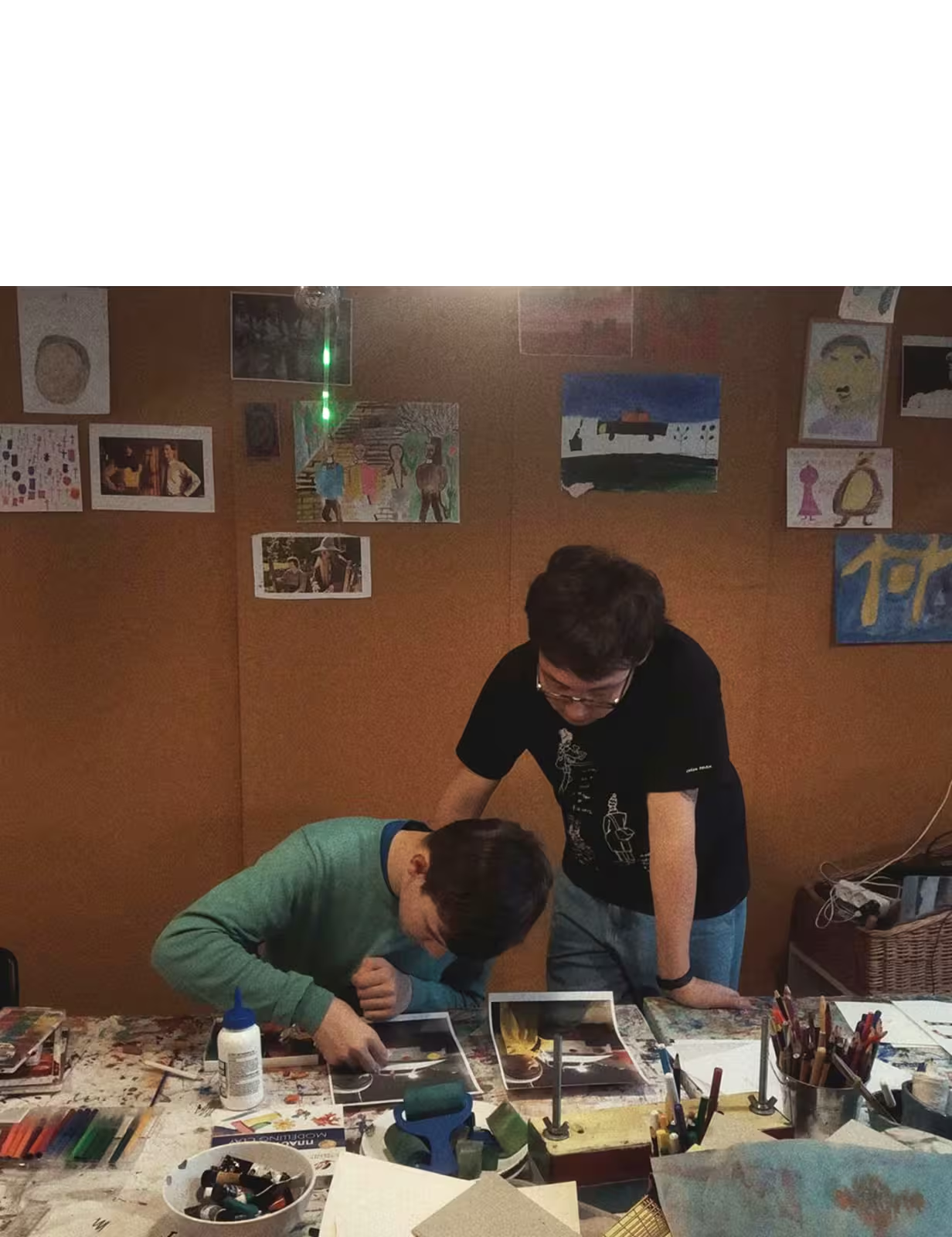
One of the most meaningful experiences for me was working at the Anton Tut Ryadom Center in Saint Petersburg, a place that supports people on the autism spectrum.
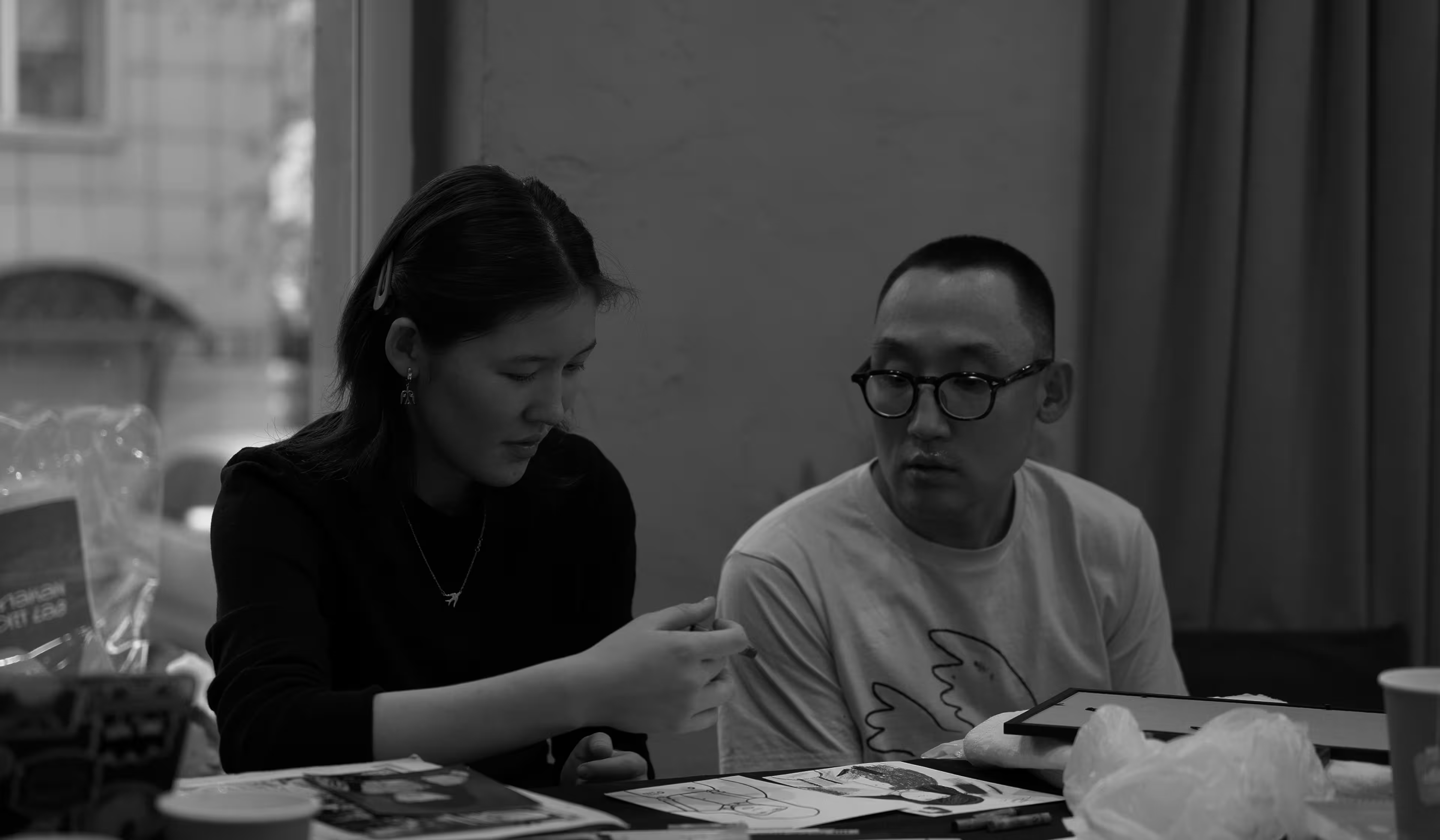
helpingI led a small photography club there. I had only two students, but for me it was a real dialogue. I wanted to help them find a new way to speak to the world as equals. It all ended with an exhibition in one of Saint Petersburg’s leading photography galleries, a warm and genuine project where we all learned something from one another.
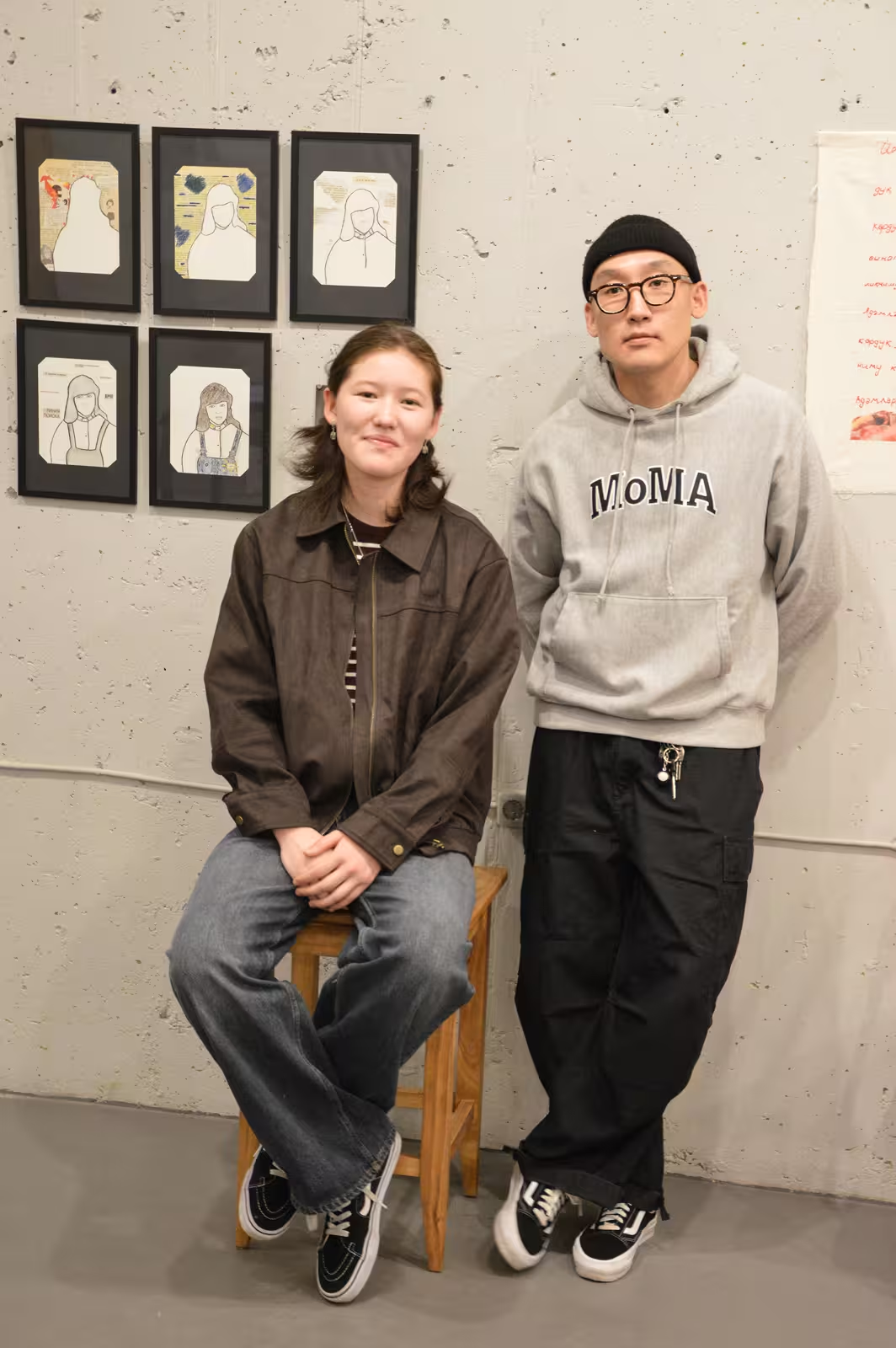
They launched an open call for teenagers who wanted to work on art projects about family memory and invited me as a mentor.
Recently I took part in Makan Art Lab, an initiative founded by members of the Uyghur community in Almaty.
helpingI had two students: one created a series of graphic works dedicated to her mother and her search for freedom of expression, and the other made a performance about her great-grandmother, deportation, and finding a new home. This project also culminated in an exhibition, but what mattered most to me was the process: watching the students learn to express their feelings through art.
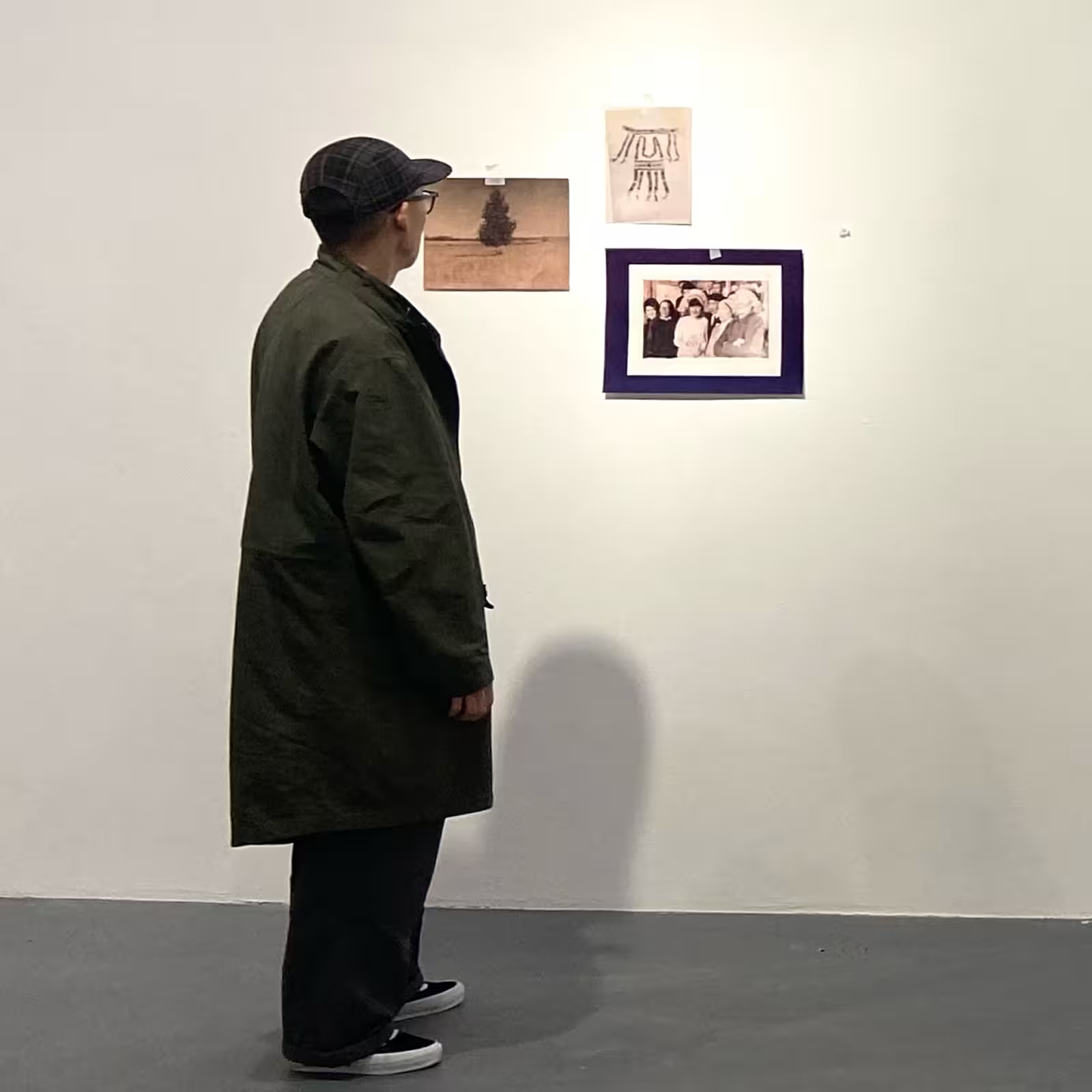
Everything I do, whether it is artistic practice or teaching, is driven by one desire: to make visible the stories that often remain unseen. For me art is not about showing how I see the world, but about making the space around us a bit softer, more attentive, more humane.
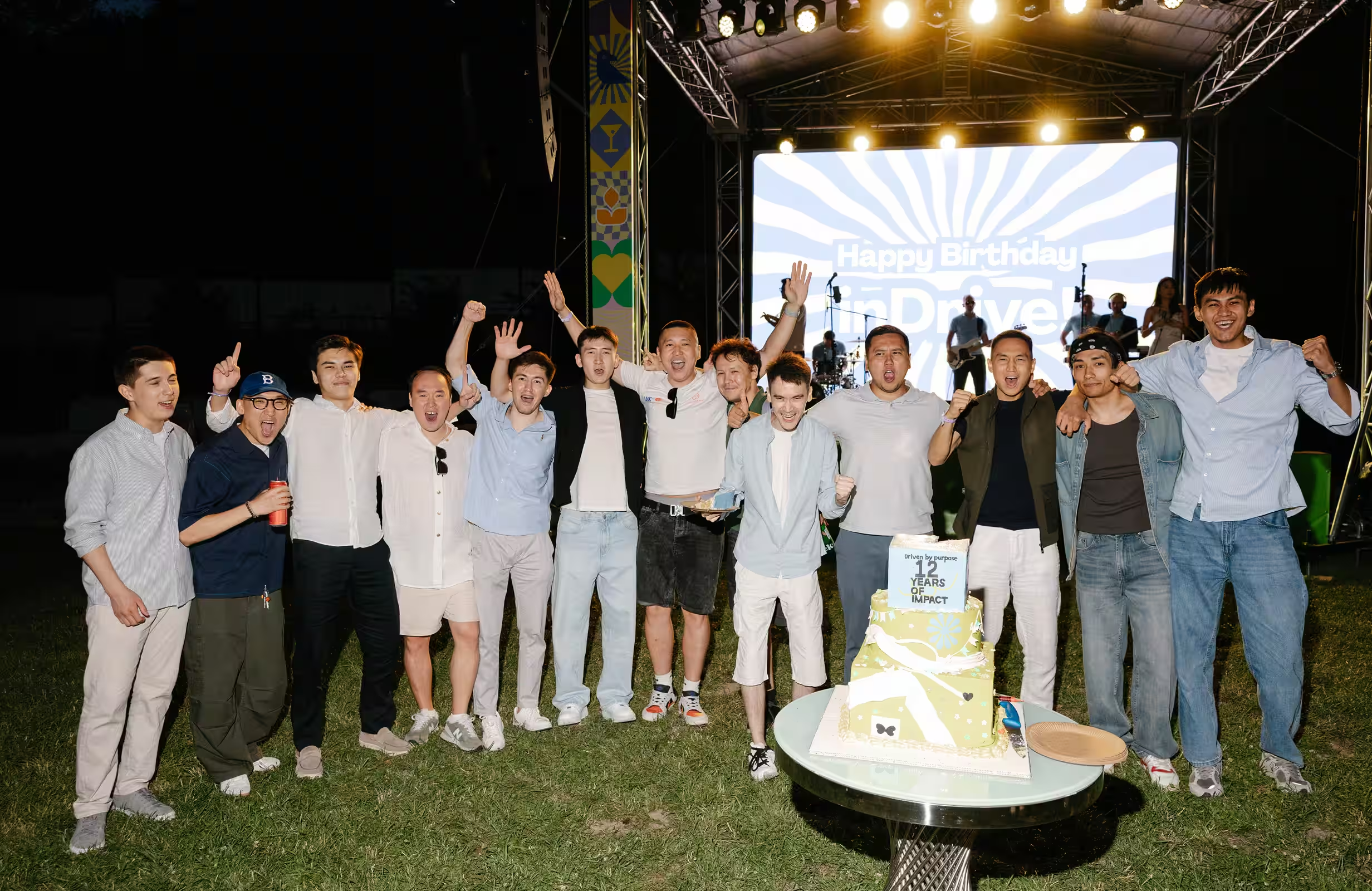
I feel the same way about my work at inDrive. There too everything centers around people and the desire to make a positive impact on their lives.
helpingMy creative experience constantly reminds me that empathy, curiosity, and attention to detail are what allow us to create real change, whether through an image or a project. I believe that even large systems can stay warm and honest when they are built on human values. That is why it is important for me to connect these two worlds, the artistic and the professional, because in both I see the same goal: the wish to make the world around us a little better.