

We are guests on this planet, and the least we can do is minimize our footprint.
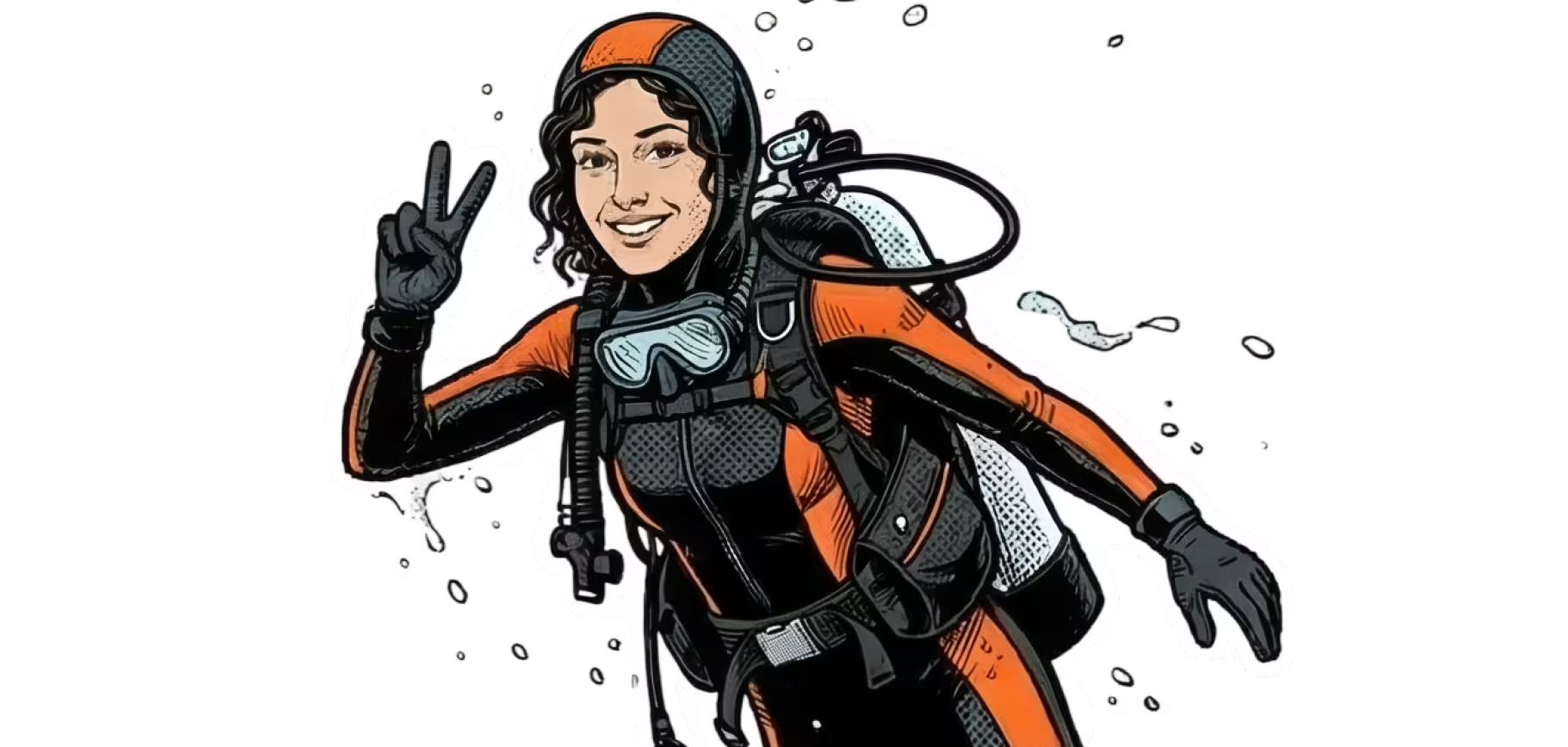


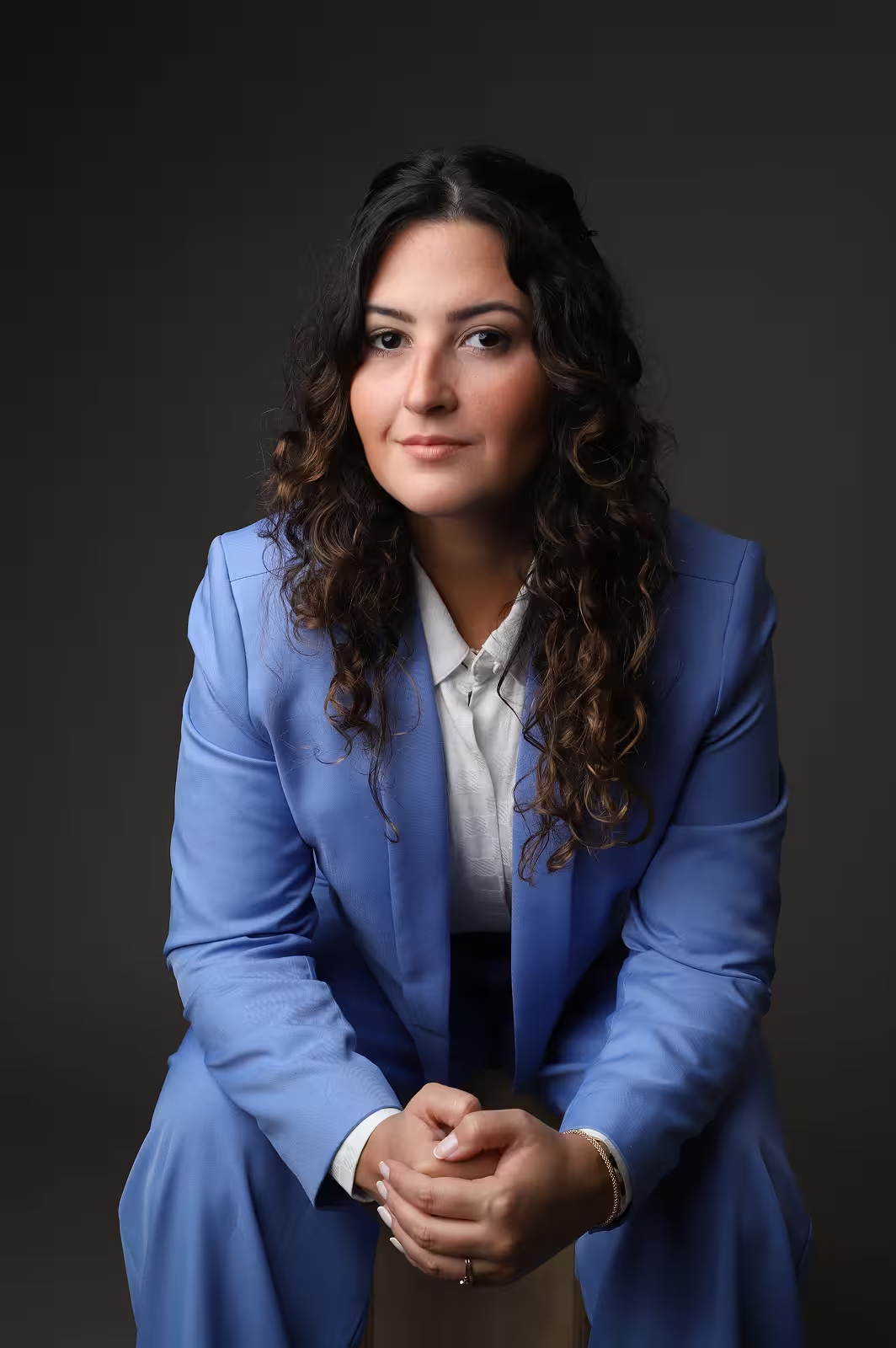
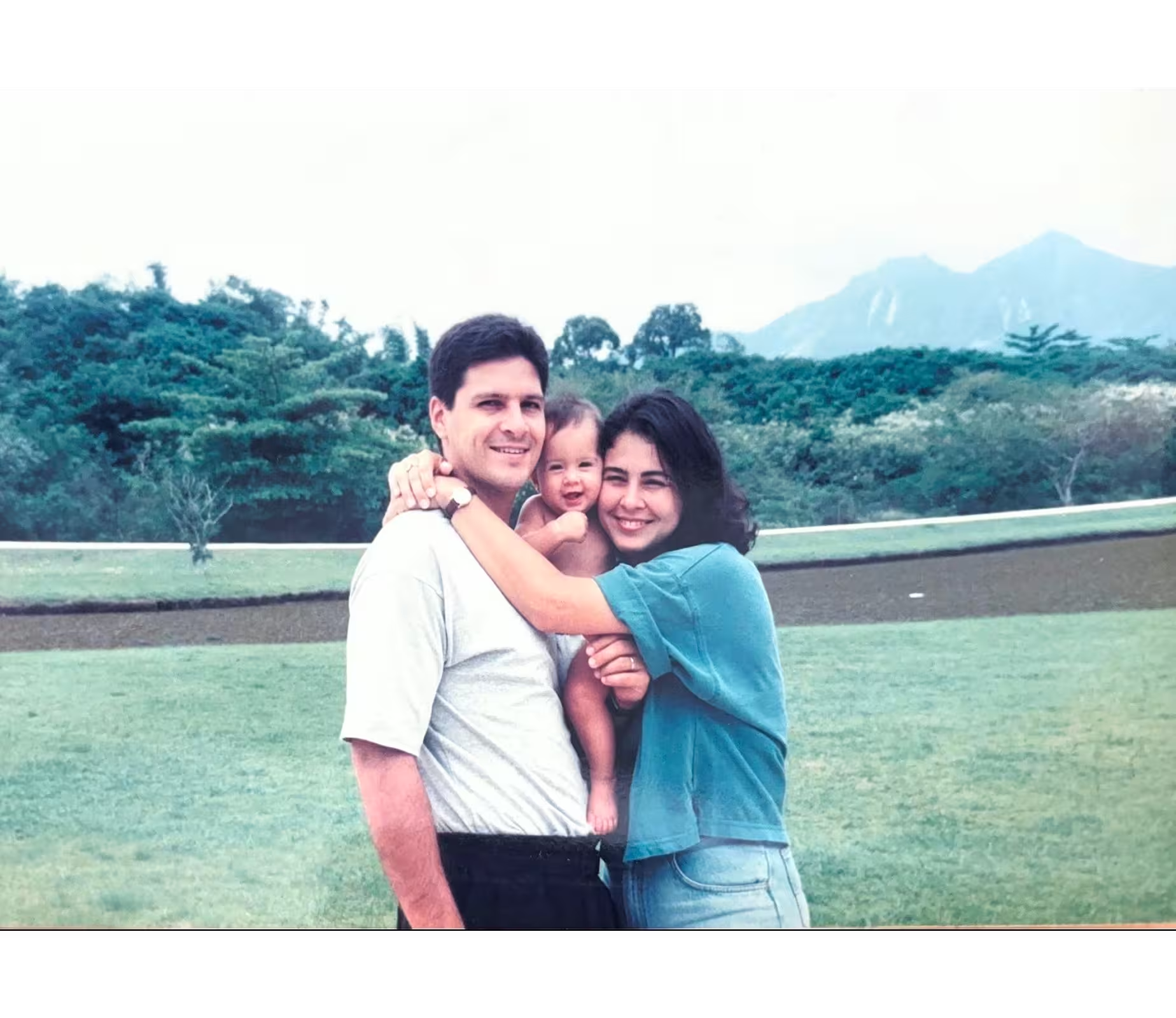
I’m from Rio de Janeiro, Brazil, a place where being outdoors and staying active is almost a way of life. Growing up, sports weren’t just encouraged; they were part of the culture.
My father was a professional soccer player, and my mom is a sports journalist, so movement, discipline, and drive were always present at home. I’ve probably tried almost every sport out there at some point, and being active has always felt natural to me.
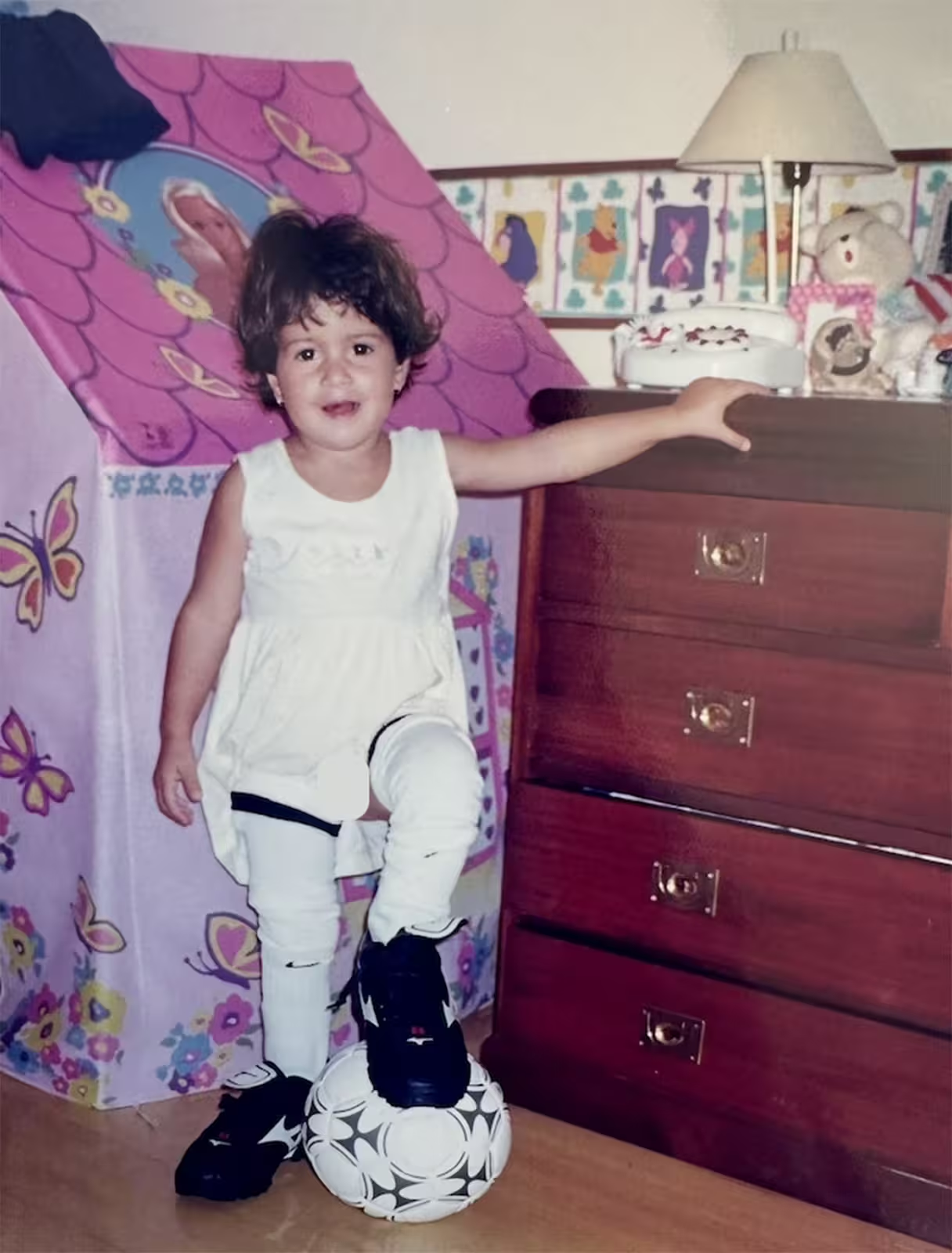
But more than performance, what really shaped me was curiosity, this constant desire to explore new experiences. Diving was one of those things I kept postponing – well, until life pushed me a little.
helpingA few years ago, I went through a serious health scare that involved surgeries and a long recovery. It was one of those moments that forces you to pause and reassess everything. I changed many aspects of my life, and finally decided to stop postponing the things I was curious about. Diving was at the top of that list (it had actually made into my new-year resolution list five times in a row by then).
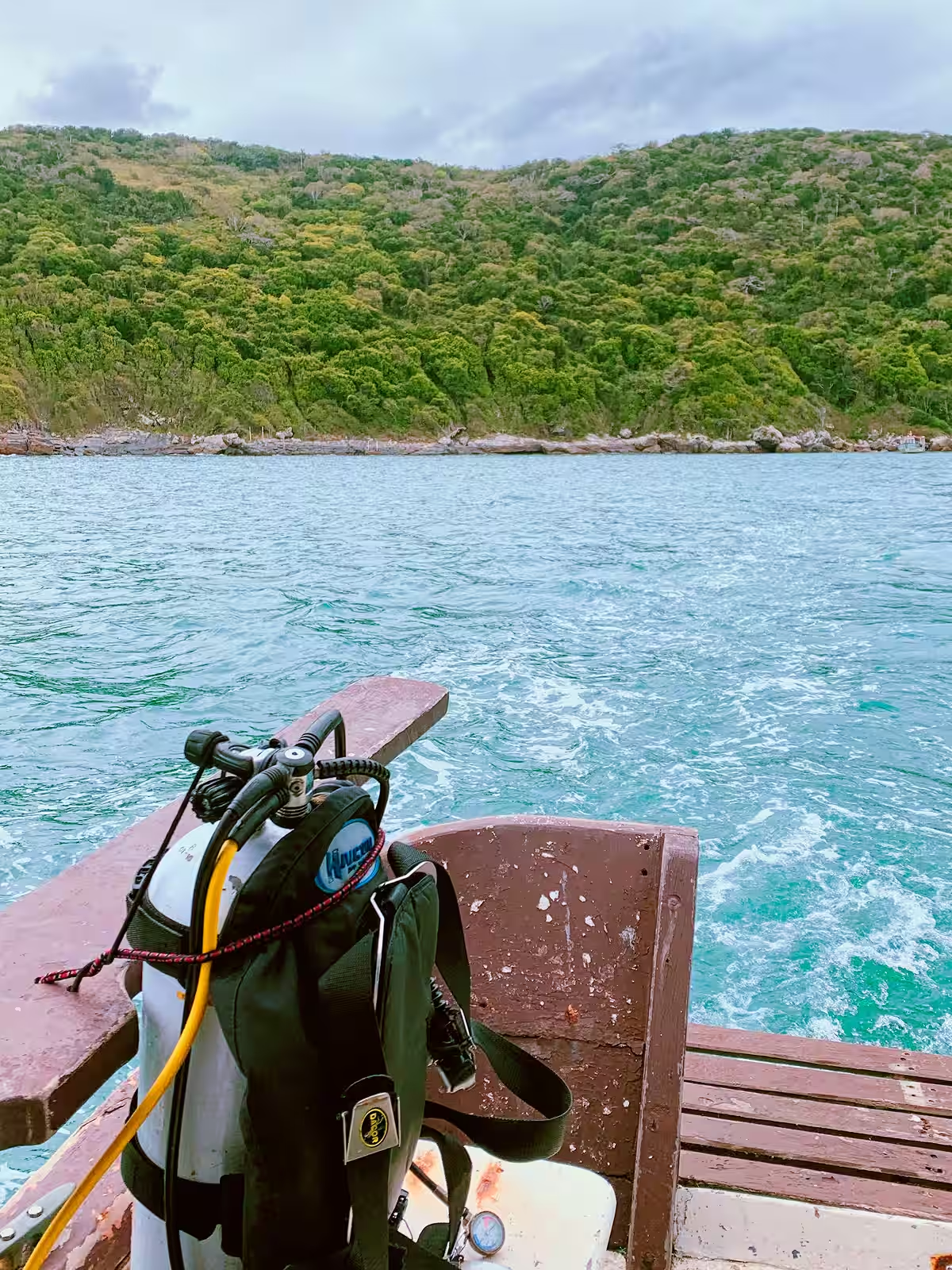
I started diving in Arraial do Cabo, and I still remember my first dive vividly. It was a mix of excitement, hyper-awareness, and a quiet “what am I doing here?” moment when I first submerged. Breathing underwater feels unnatural—until it suddenly doesn’t. That shift stayed with me.

Was I scared? Yes. But diving taught me early on that fear isn’t the enemy, it’s what keeps you sharp. What helped me move past it was understanding that diving is built on structure: procedures, training, repetition and double-checking everything. You don’t rely on instinct alone; you rely on preparation.

Today, I’ve logged around 100 dives and hold an Advanced certification, with additional training in night and wreck diving. I try to dive at least every couple of months, mostly in open waters, which, for me, is where the magic really happens.
One of the most impactful moments for me was my first wreck dive. It demanded a completely different level of focus and respect. It’s about understanding your space, your limits, and how quickly things can change. That dive really shaped the way I approach everything underwater.
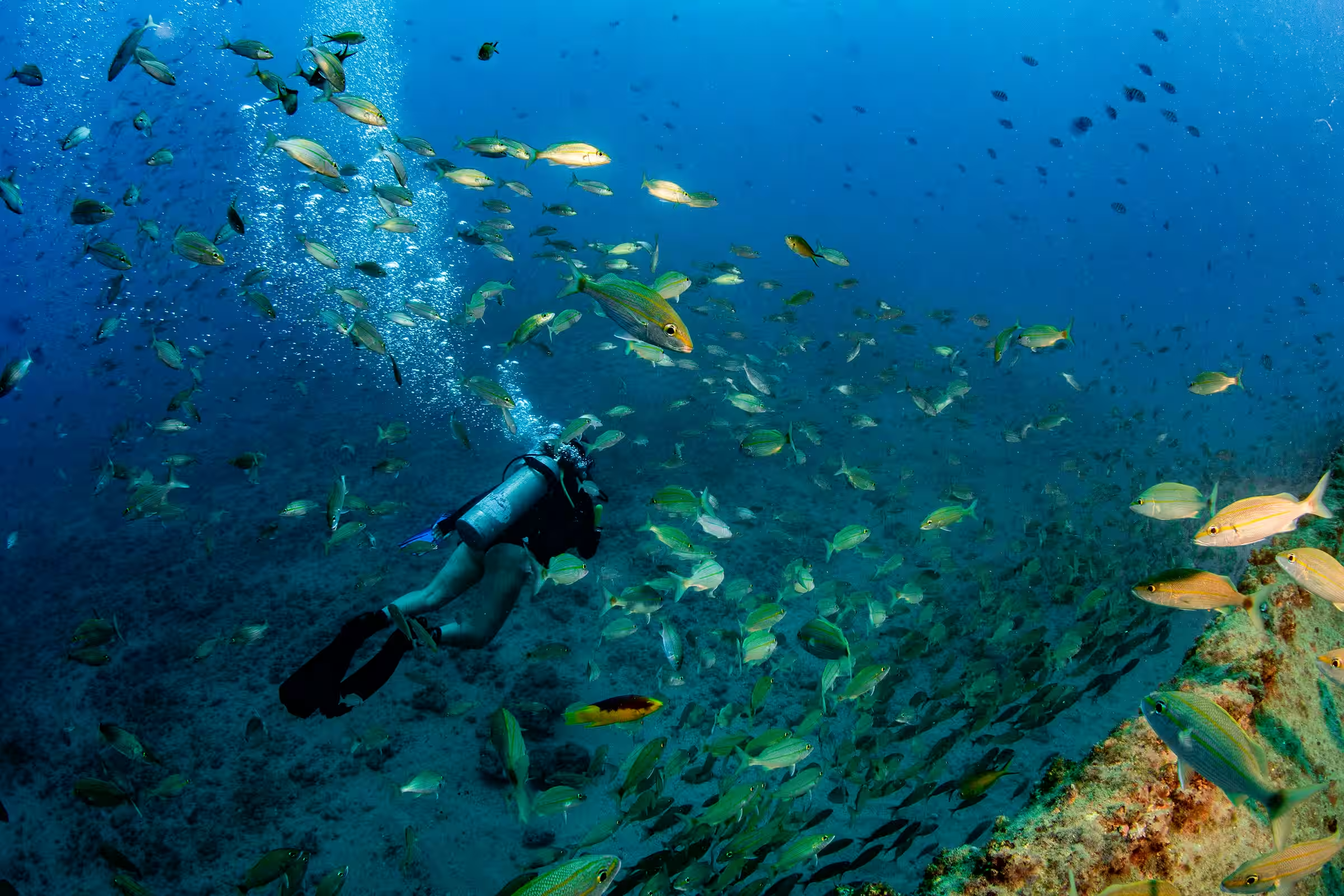
Safety is something I take seriously; not in a rigid way, but in a disciplined one. Good habits are everything: proper planning, checking equipment, respecting limits, communicating clearly and trusting the operator.
helpingThe same goes for choosing a dive buddy. Trust underwater is very real; you need to know the other person is looking after you, respecting your pace, present, prepared, and calm when it matters.
helpingDiving, for me, sits somewhere between meditation and exploration. It forces you to slow down, to breathe differently, to be fully present. You can’t rush underwater. And that changes you. After a dive, I always feel physically relaxed but mentally sharper, like everything resets.

In terms of gear, I’m practical. Reliability is key: a good regulator, a dive computer, proper exposure protection, good mask and fins. Everything else is secondary. I care more about consistency than gadgets.
Preparation is also part of what I enjoy. Planning the dive, checking conditions, aligning with your buddy - it’s a ritual that builds confidence and excitement. There’s no space for improvisation when it comes to safety.
helpingWhat has impacted me most, though, is the fragility, and at the same time, the immensity, of what we find underwater. I’ve participated in dives focused on collecting underwater trash, and it’s impossible to ignore the contrast between the natural beauty and the visible human impact. Seeing plastic and debris in places that should be untouched makes the consequences of our actions very real.

That’s why I strongly believe in underwater ethics: don’t touch, don’t feed, don’t take. It may sound simple, but it reflects a much bigger responsibility. We are guests on this planet, and the least we can do is minimize our footprint.
At the same time, being underwater constantly reminds you that you are just a visitor. Nature doesn’t adapt to you, you adapt to it. There is something incredibly powerful, almost humbling, about the scale and presence of the ocean. It puts things into perspective very quickly.
helpingIf I could contribute to protecting anything, it would be exactly that balance, preserving marine ecosystems that are still largely unexplored and incredibly delicate. Realizing how much damage we can cause, often without even noticing, creates a sense of responsibility to do better.
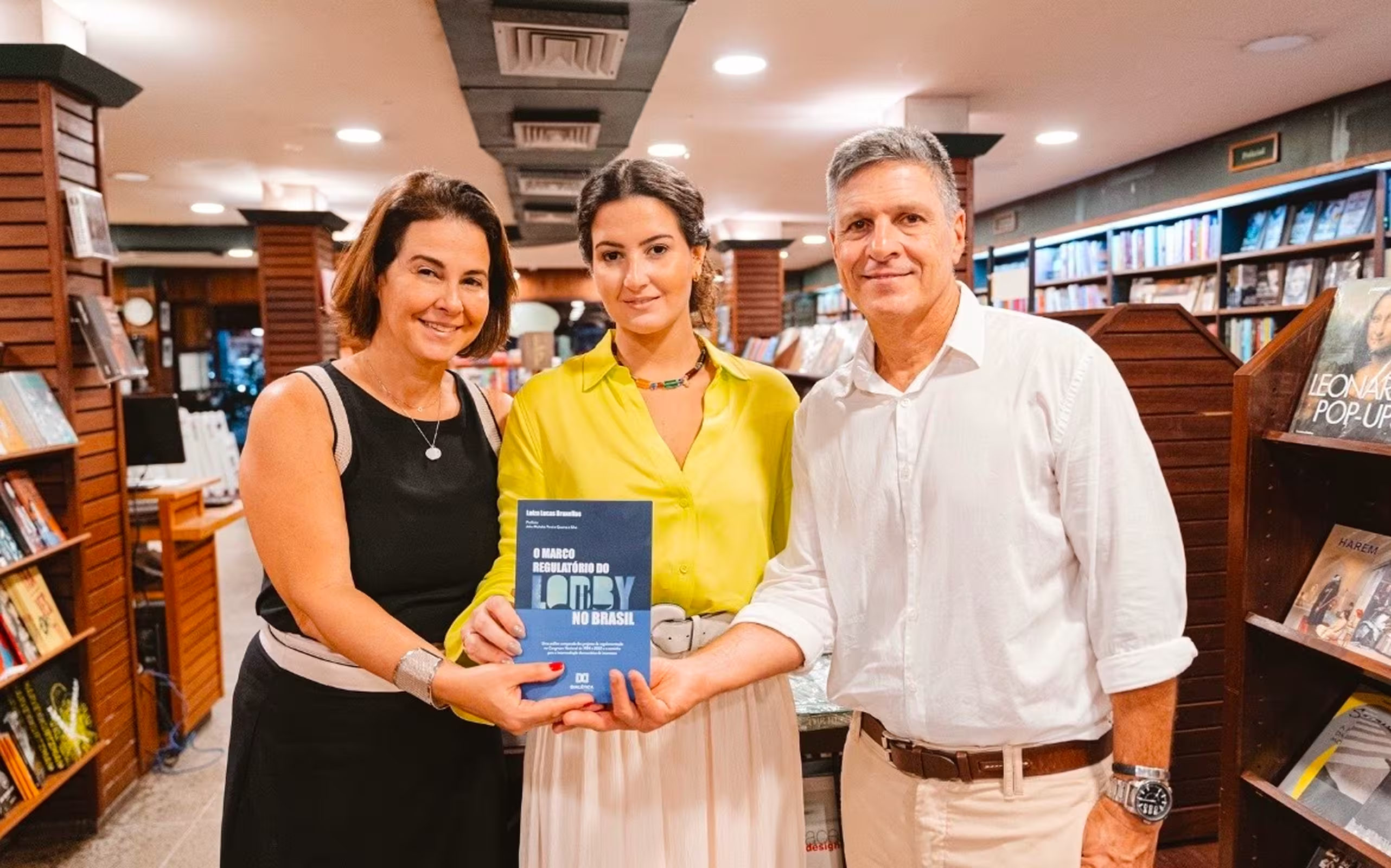
Alongside my professional and personal pursuits, I am also the author of the book “O Marco Regulatório do Lobby no Brasil”, published in November 2023, which emerged from my research during my Master’s in Regulation.
helpingIn the book, I explore lobbying not as a shadowy or controversial practice, but as a legitimate and essential instrument of democratic functioning, one that, when properly regulated, promotes transparency, pluralism, and more informed decision-making processes.
helpingThe work reflects my broader interest in the intersection between regulation, institutional dialogue, and public policy, and reinforces my belief that well-structured advocacy can serve as a bridge between society and the State, strengthening democratic institutions rather than undermining them.
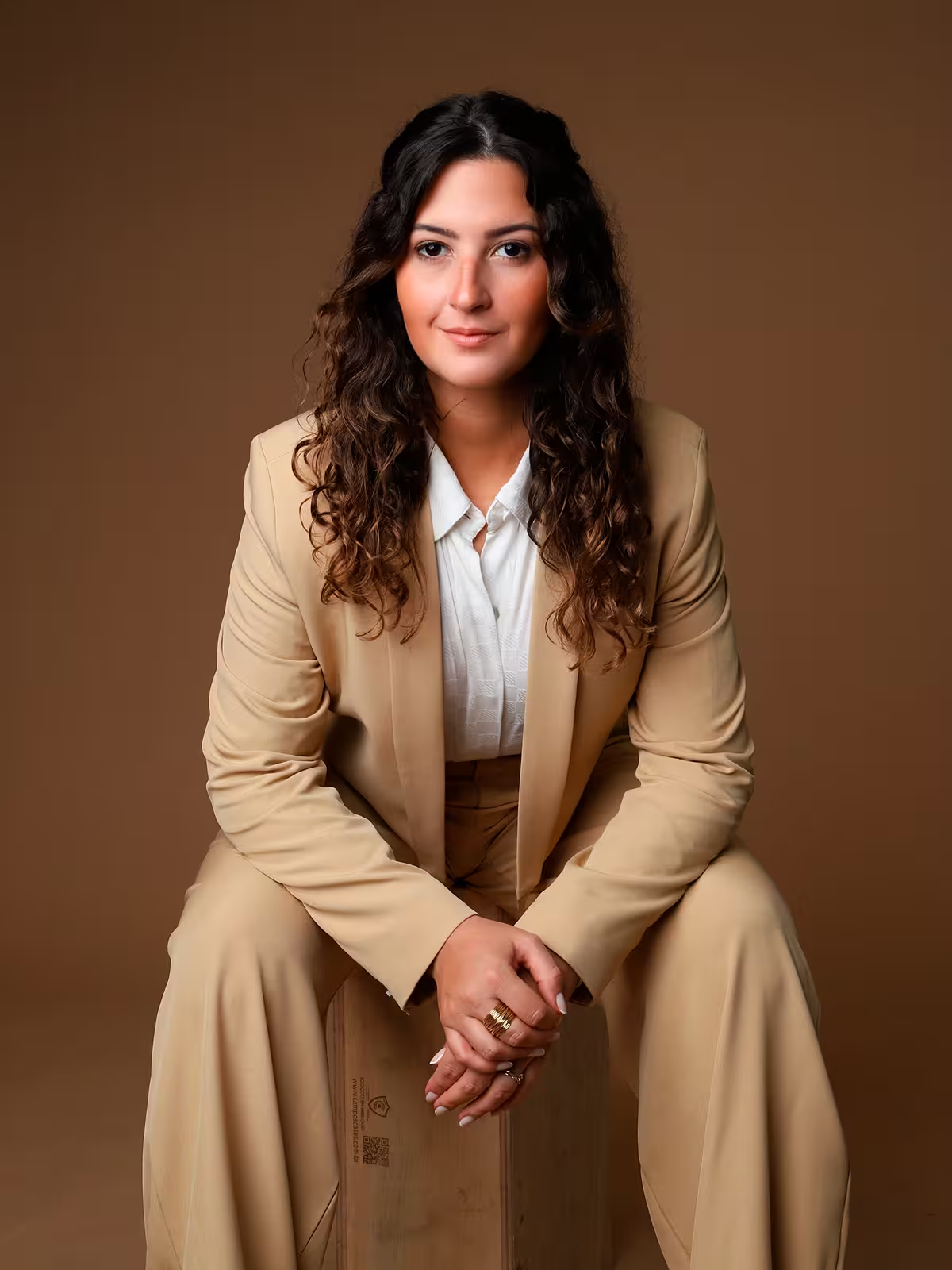
Diving also carries over into my everyday life more than I expected. It sharpens your ability to stay calm under pressure, to plan ahead, and to communicate clearly, skills I rely on constantly in my professional life.
At the end of the day, diving reinforces values I care deeply about: discipline, responsibility, continuous learning, and respect––for the environment, for the process, and for the people around you. And those are the same values I try to bring to everything I do.