


Victory isn’t a “gift” — it’s the result of transparent rules and your work





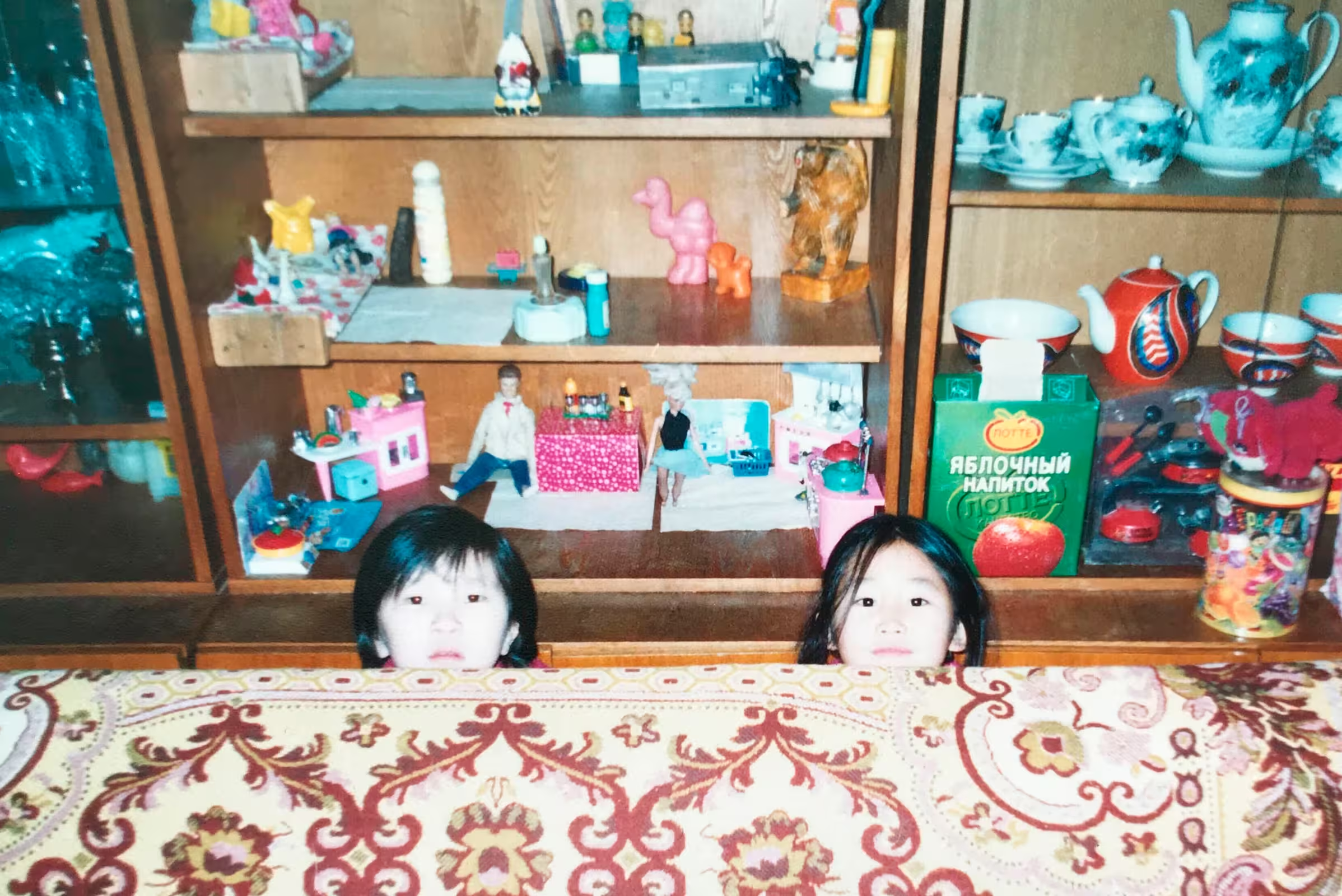
I’m from Yakutia — I was born in the town of Nyurba, in the western part of the republic. There are five of us in the family: my mom and dad, my older brother and sister, and me — I’m the youngest.
I wouldn’t say we’re a super sporty family, but sport has always been somewhere nearby, in different forms.
My sister also works out at the gym, and earlier, like my mom, she played volleyball. So for us, sport has never been an “obligatory discipline” — it’s simply a natural part of life: someone runs, someone plays, someone just enjoys moving.
My parents used to really enjoy volleyball and skiing, and my mom even competed in tournaments. My brother has loved football since childhood; he plays all the time, tries to stay in shape, and goes to the gym.
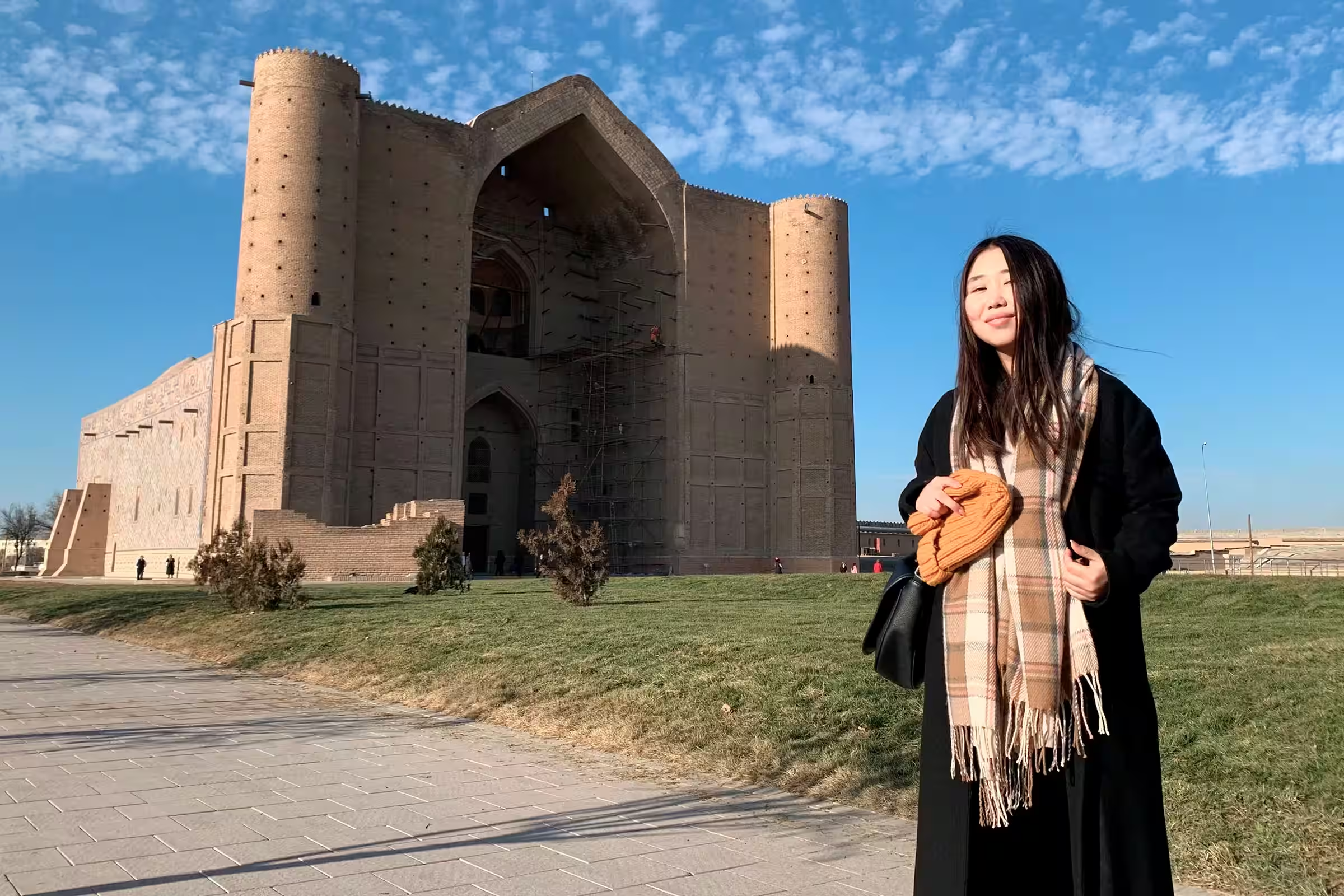
I moved to Kazakhstan in 2015 to study at Khoja Ahmed Yasawi International Kazakh–Turkish University. That’s when my life here began, and it’s also where I discovered a few things that I still consider important — both in sport and in character.
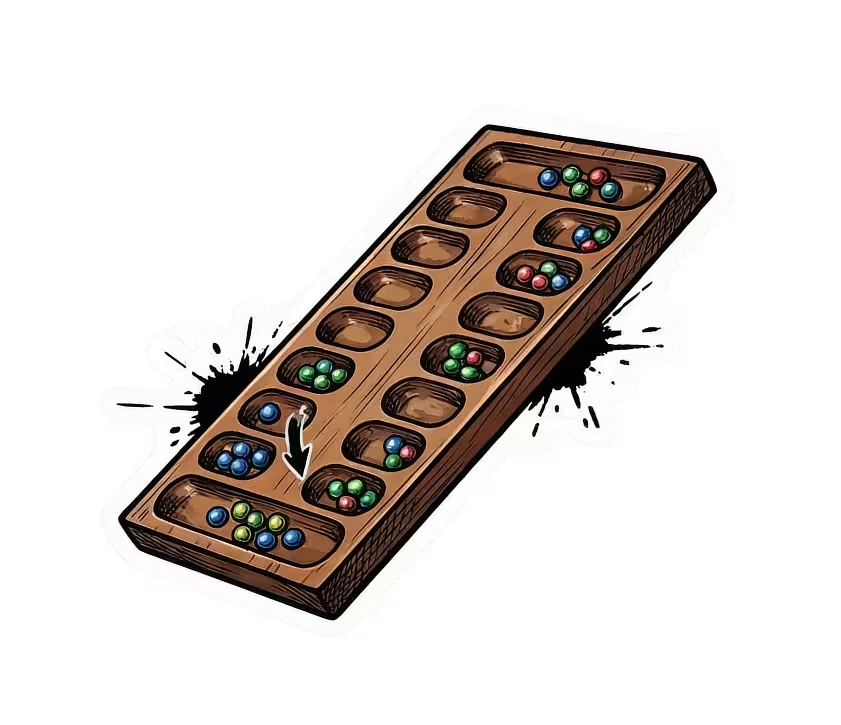
You take all the stones from one pit and distribute them one by one around the board. If your last stone lands in your opponent’s pit and makes the total number of stones there even, you capture them.
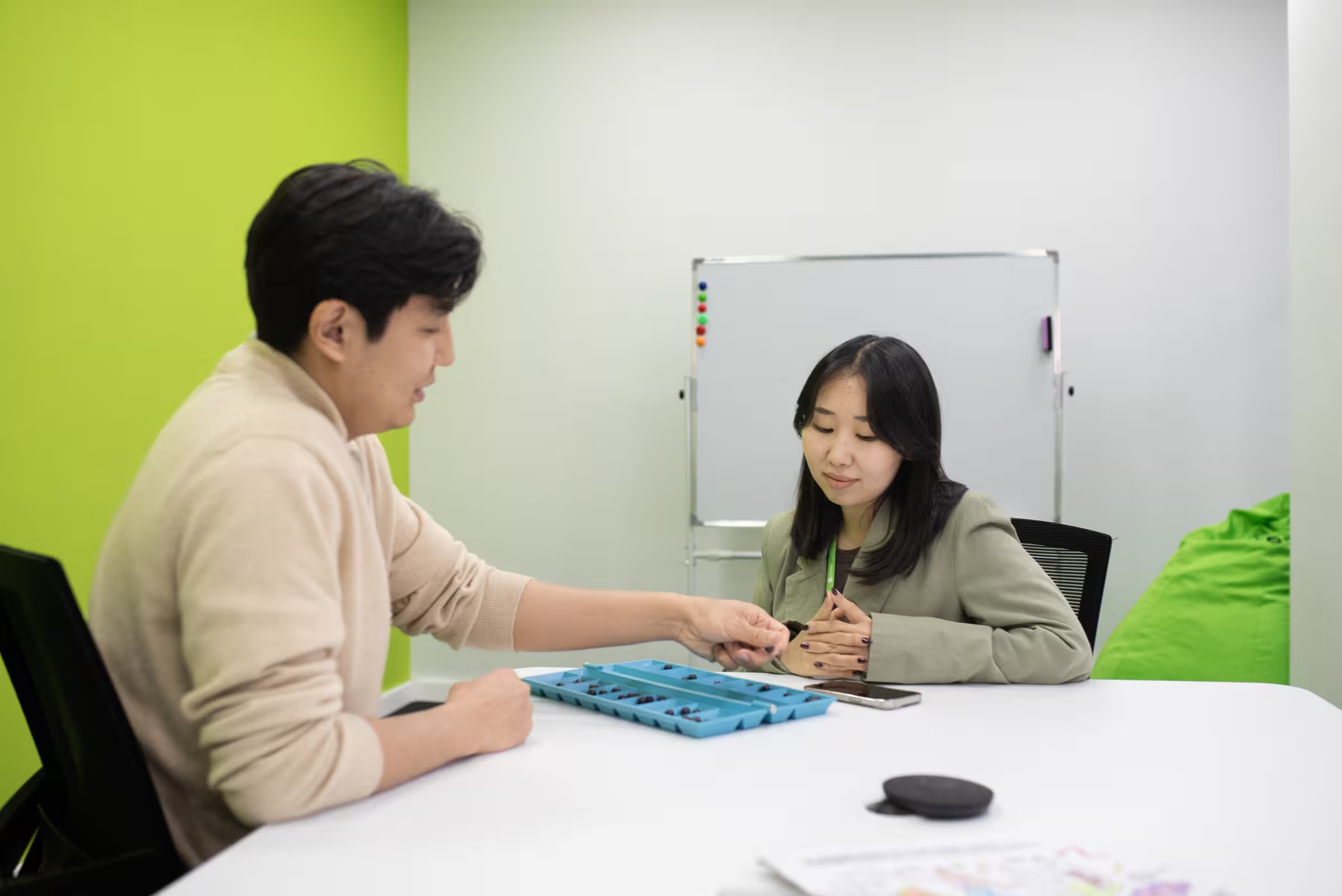
One of them is togyzkumalak, a Kazakh board game focused on logic and counting. Two people play: each has nine pits filled with stones.
helpingThe winner is the one who collects more stones. It sounds simple, but in reality it’s a deeply strategic game: you have to count quickly, keep many moves ahead in your head, and stay calm at the same time.
helpingIt started pretty occasionally. One day a friend invited me: “Let’s go try it.” At that time I was curious about everything new, so I said yes. I tried it — and I was truly hooked. At first it was hard: my brain got tired from constant counting, and mistakes felt painfully frustrating.
helpingBut then I started to feel that I wasn’t just moving stones; I was learning to think differently. More precisely, more patiently, more strategically.
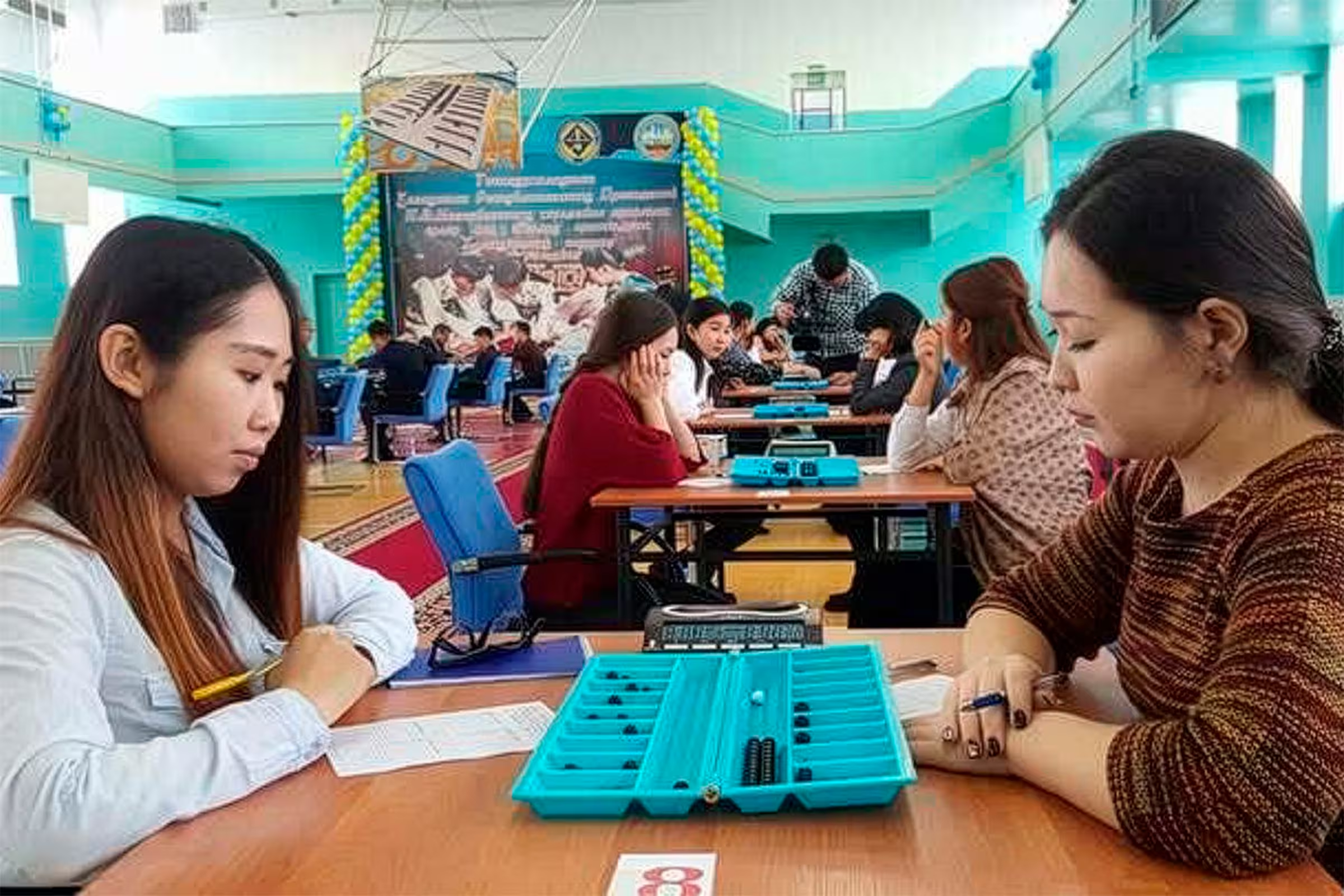
Over time I joined the university team. We traveled to competitions in different cities across Kazakhstan and even took part in international tournaments. It was an amazing experience: new people, strong opponents, that nervous anticipation before each game — and huge enjoyment from the game itself.
helpingI remember my first big win especially clearly: my opponent was from China. We were the last ones left at the table; people had gathered around, waiting to see how it would end. I was afraid to make a mistake, my hands were literally shaking, but I pulled myself together and won.
helpingI still remember that game — not just because of the result, but because it was the first time I truly felt how much inner peace matters, and how important it is to keep going even when you’re very nervous.
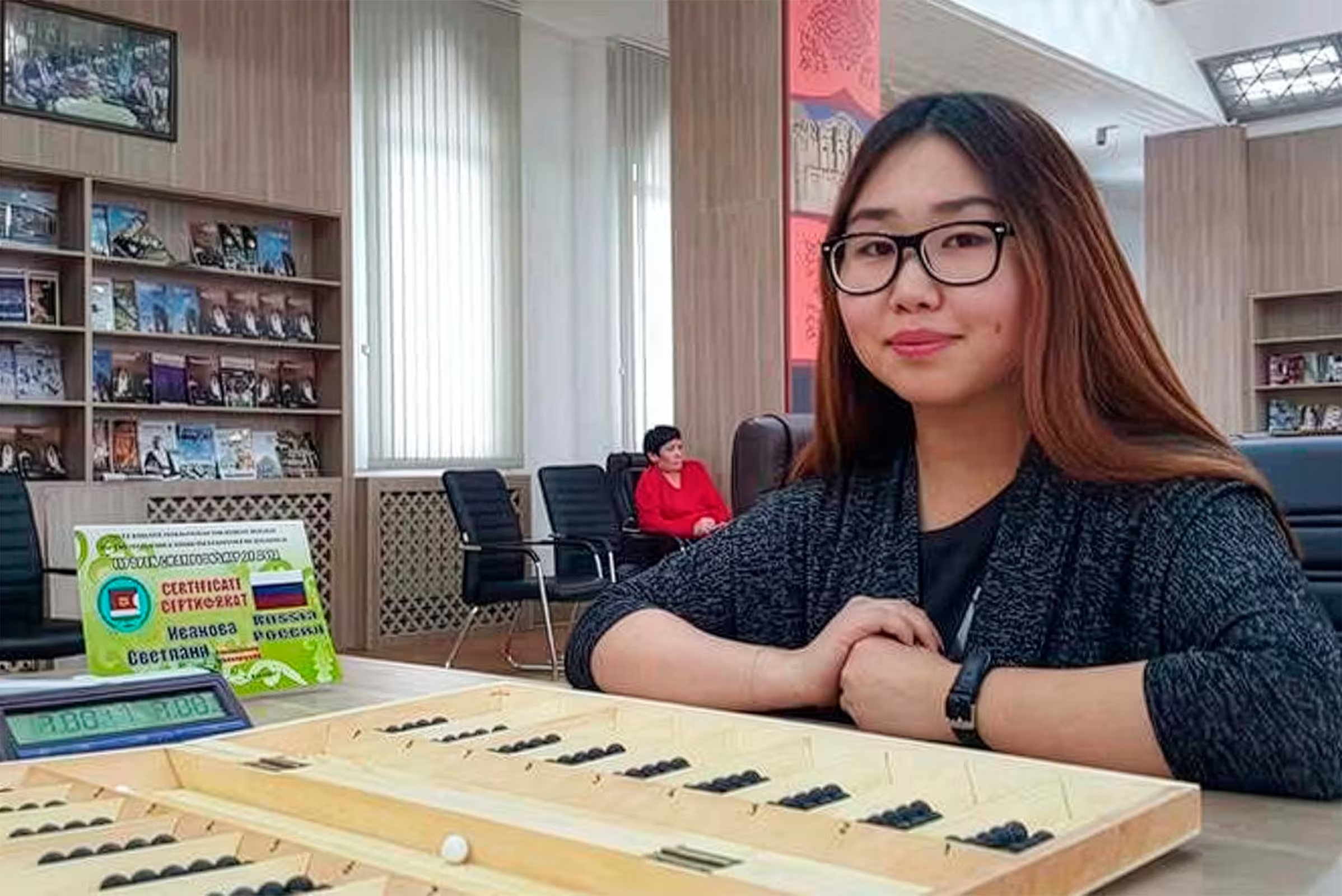
I don’t play as actively anymore — over time I found other interests — but I have very warm memories of that period. And I know for sure: one day I will definitely teach my children to play togyzkumalak.
I always recommend people try togyzkumalak. It develops strategic thinking, and in my opinion it can absolutely stand next to chess. It teaches you to calculate consequences, stay focused, and not fall into emotions after one wrong move.
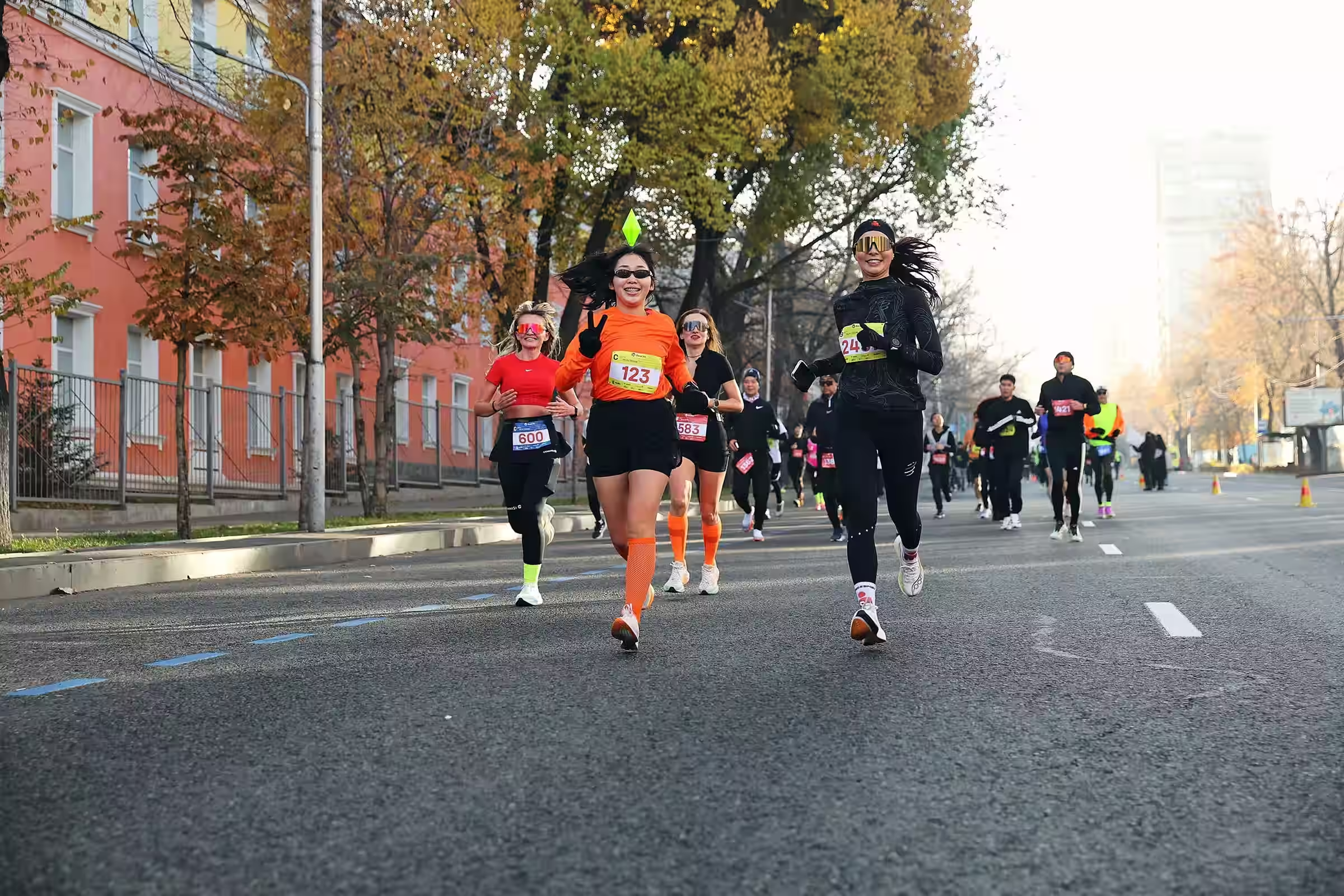
Running is also part of my life — and my relationship with it is honestly quite funny. It has always been around, but in waves.
helpingTo be honest, I didn’t really like running before. For a long time my favorites were boxing and regular workouts, but now it seems running has become my favorite. I’ve already participated in a few races and half marathons. I’m not a professional yet, but I love the process: setting new goals step by step, gradually increasing distance, and seeing how endurance grows — not only physical, but inner endurance too.
helpingSport makes me feel alive. It teaches you not to give up and it strengthens your character. When you’re running and it gets hard, you still continue — step by step, meter by meter — and eventually you reach the finish.
helpingAnd I feel very close to that logic at work as well: not waiting for the “perfect moment,” not rushing in one big sprint, but keeping a steady pace and moving toward the result consistently. Sport gives me energy, clears my head, helps me get through tough periods, and reminds me that progress often looks like small, regular efforts.
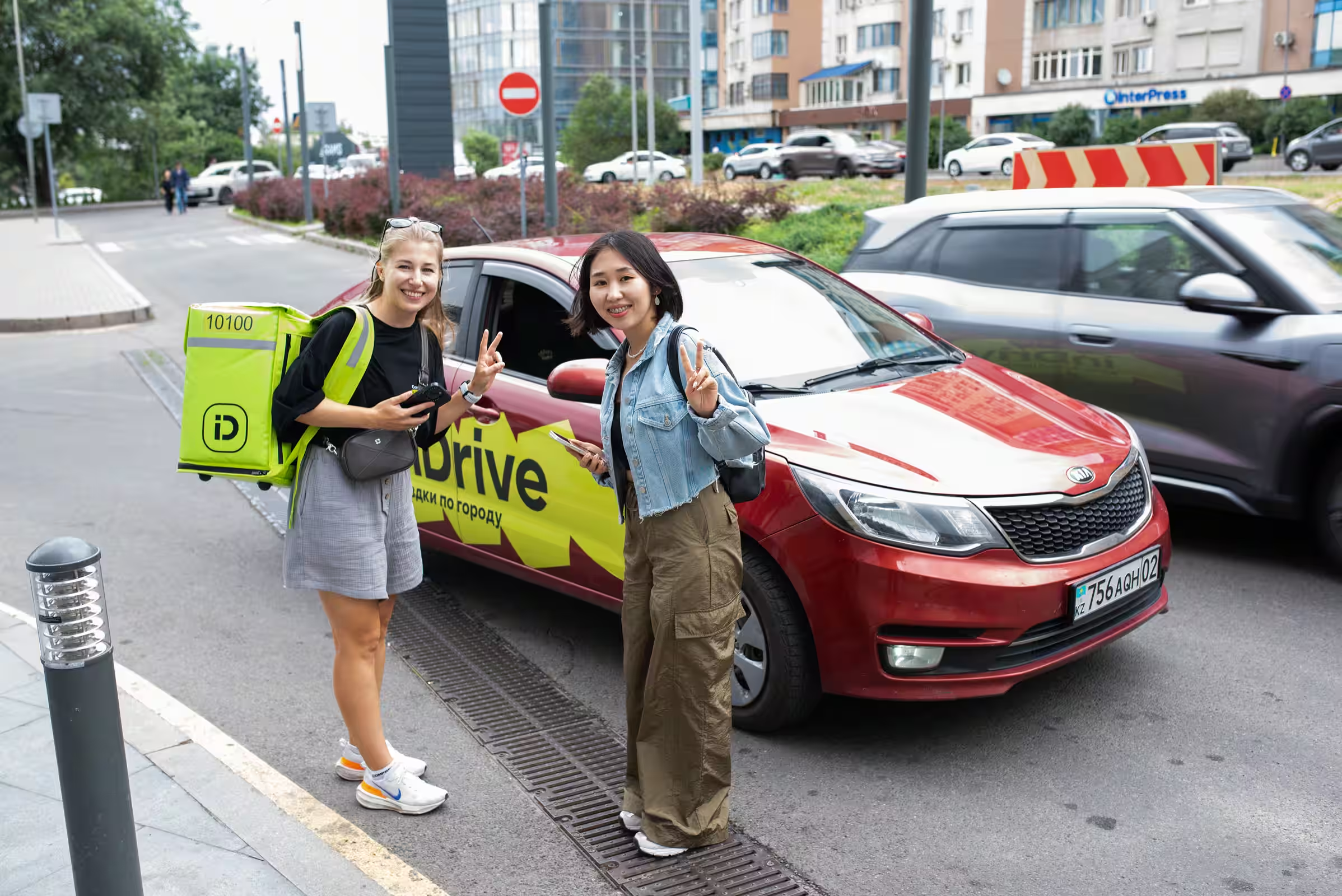
Victory isn’t a “gift” — it’s the result of transparent rules and your work. I think inDrive is very much about the same things: clear principles, understandable rules, transparency, and respect for people.
I see a connection between sport and the way we work. In both, honesty, respect, and fairness matter. Sport is built on fair play: you can be talented, but without discipline and effort you won’t get far.
helpingAbout the idea that value is created not by loud words, but by actions — when you do your part well, play by the rules, and don’t diminish other people’s contributions.
helpingIn sport, you’re constantly faced with choices: cut a corner or run honestly; quit or push through; argue with the referees or accept the result and become stronger. And those choices exist at work too: be open, speak directly and respectfully, take responsibility, support your team even when things aren’t going perfectly.
helpingThat’s why sport translates into life so well: it’s not only about the body or the game — it’s about character. And that character then helps you at work, in relationships, and in how you build your own path.