


Table tennis taught me to stay present, to adjust quickly, to keep my mind calm when the pressure rises.


I’m from Nepal. My family is big and close: parents, grandparents, and cousins. I wouldn’t call us a “hardcore sporty” family, but sport has always been around. My mom, for example, loves playing volleyball — it’s her way to stay active and feel refreshed.

She pulled me in, basically as her “practice human.” I came to help her out, not to fall in love with the sport. But that’s exactly what happened.
Table tennis entered my life back in school, and honestly, it started almost by accident. One of my closest friends was a national-level player and she needed a training partner.
helpingThe more I played, the more natural it felt. Table tennis is fast. You can’t switch off for even a second. It forces you to stay sharp, to react quickly, to read the game and the person in front of you. Over time I realized it was doing something bigger for me: it improved my hand-eye coordination, trained my focus, and gave me a kind of daily reset. It kept my body moving, helped me relieve stress, and somehow made even busy days feel lighter.
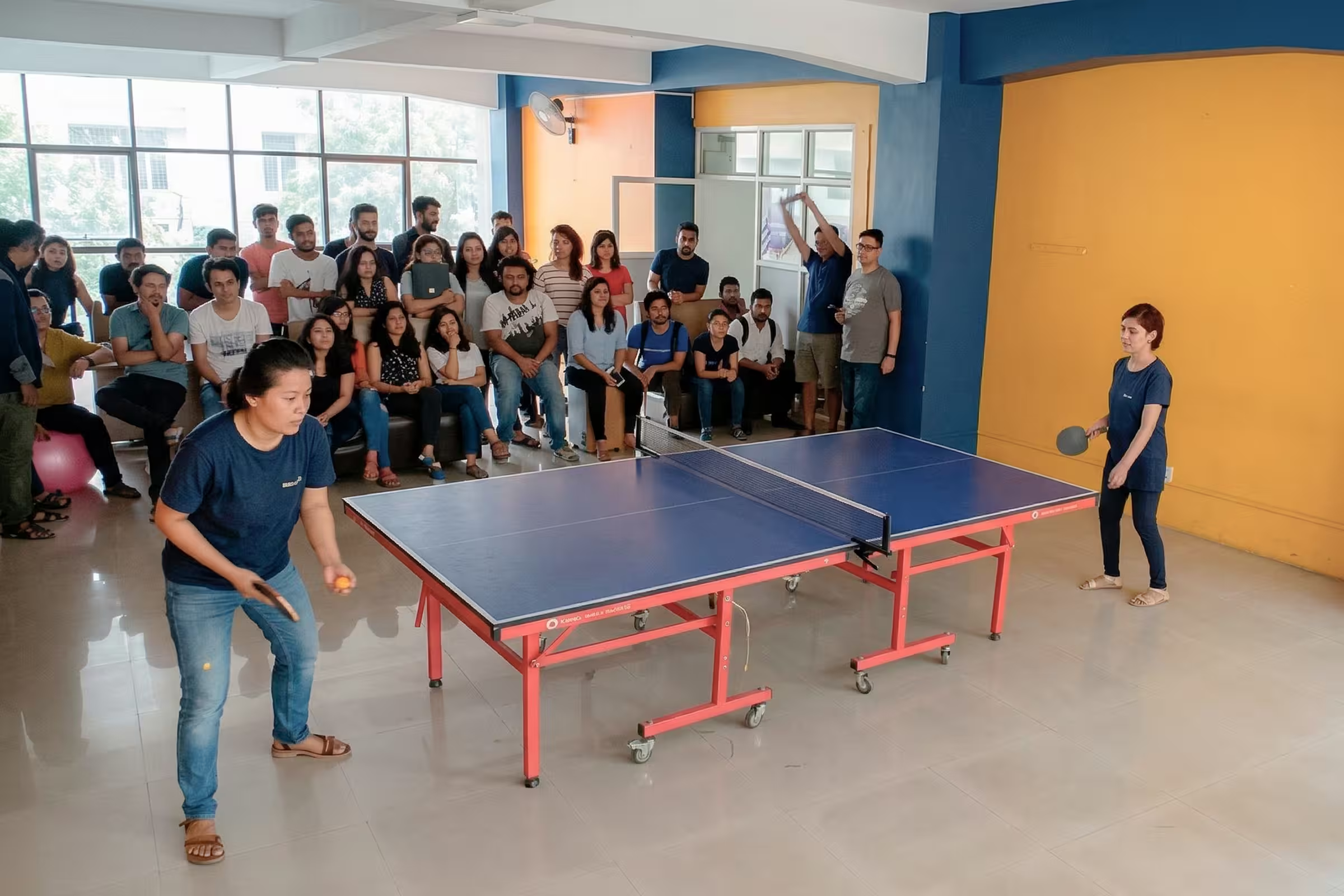
In the beginning, though, it wasn’t easy. I started playing for my friend, but I couldn’t dedicate enough time to train properly. Table tennis demands intense practice, and balancing that with school felt overwhelming. There were definitely moments when I thought, “This is too much,” and I practiced less.
helpingBut instead of making me want to quit, the sport surprised me. The more pressure I felt from my studies, the more I noticed that playing was the one thing that truly cleared my mind. It stopped being a favor and became my stress-buster, the thing that brought me back to myself. That’s when I realized: I’m not playing for someone else anymore. I’m playing for myself.

One match in particular stays with me. It was the final of a corporate tournament: Best of 3, high stakes, electric atmosphere. My opponent was powerful and returned every smash like it was nothing. After a brutal fight, we were tied 1–1. And in that moment I understood: I couldn’t win with force.
At some point it became obvious I couldn’t live without it. Not because I was chasing medals, but because it gave me mental clarity. No matter how intense life gets, table tennis keeps me balanced. It’s my daily refreshment — for the body, but even more for the mind.
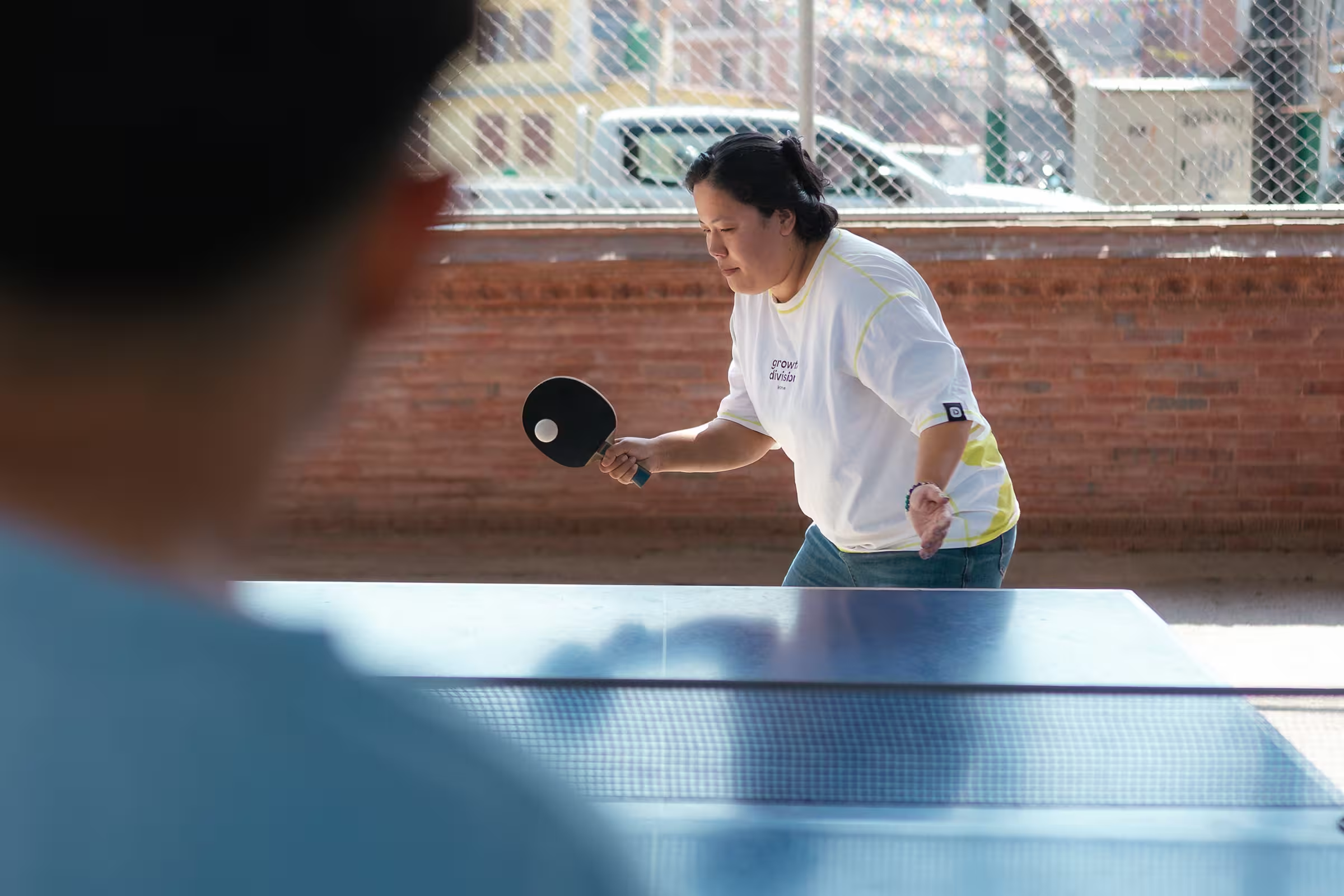
So I changed the way I played. I stopped playing the ball and started playing the person. I noticed something: they were amazing with speed, but struggled with touch.
helpingIn the deciding set I abandoned power completely. I started working with spin, with placement, with deceptive shots — turning the game into a dance. Piece by piece, I broke their rhythm. What began as an equal battle ended in a clear win for my team. That match taught me something I still carry: mind over muscle.
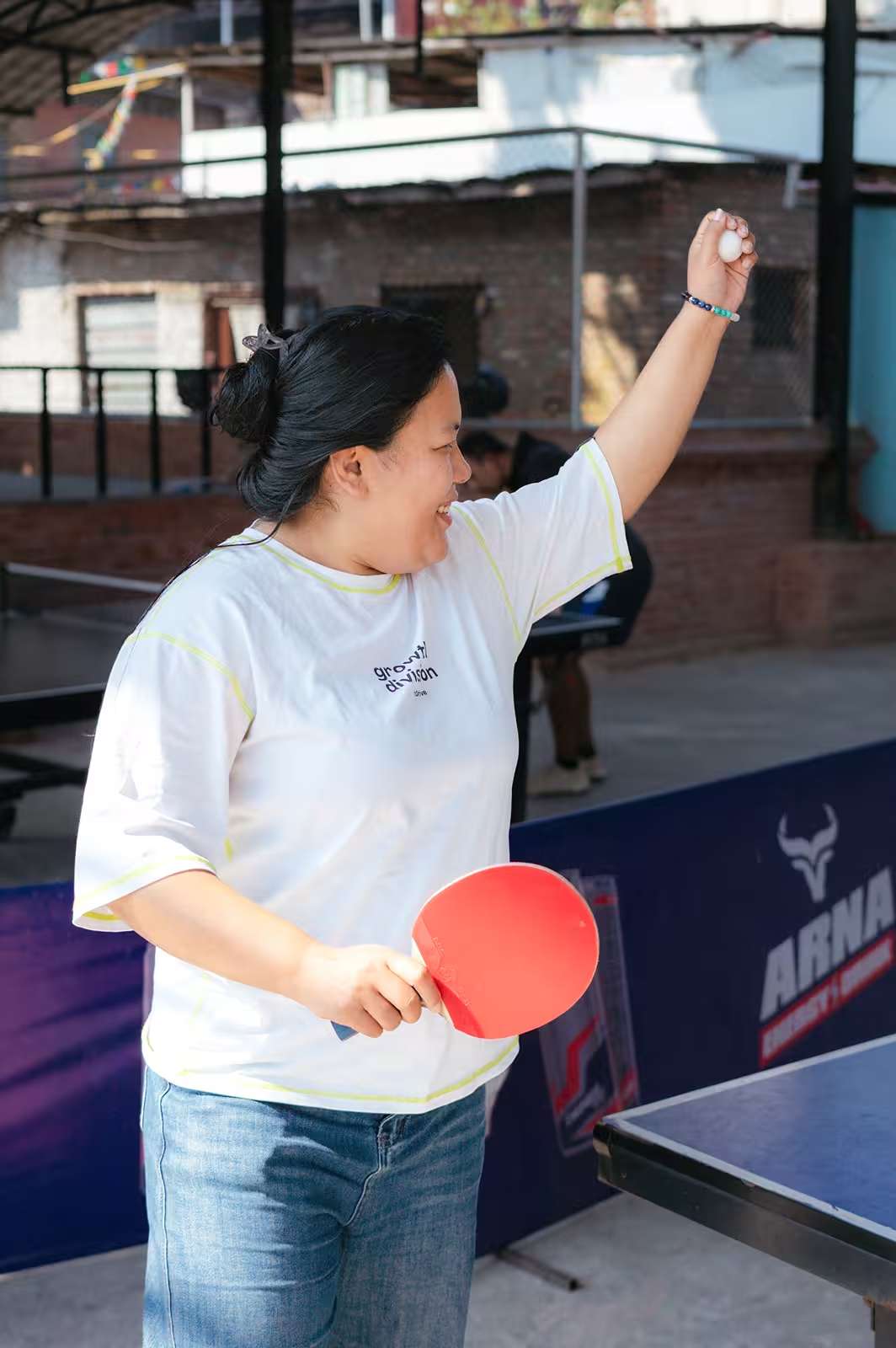
Over time, I stopped collecting silver and started winning gold. Today I’ve won corporate tournaments in both Women’s Singles and Mixed Doubles. For me, it feels like I’m mastering the comeback — not just in tournaments, but as a mindset.
My “achievement story” is simple, but it means a lot to me. In college I was the consistent runner-up: always close, always second. And that feeling stayed with me. Not in a bitter way, but as fuel. That hunger pushed me to keep improving, to keep showing up.
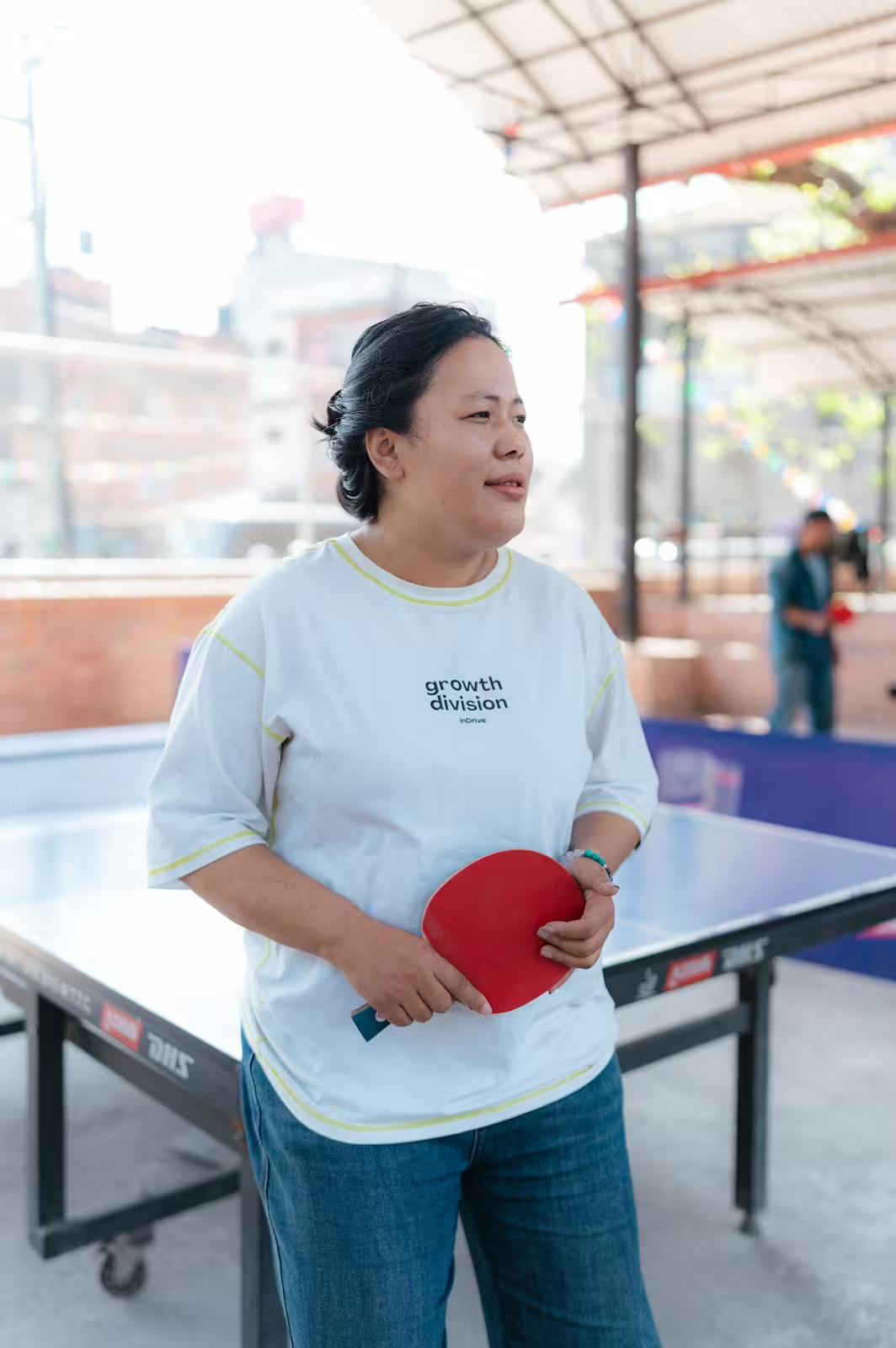
And that’s why training, for me, isn’t only about trophies. It’s about becoming a better version of myself. It’s the daily effort, the small improvements, the discipline to return again and again. That’s what motivates me — the growth, more than the result.
helpingOf course, all of this applies in work too. Sport has sharpened my focus and taught me consistency. It’s the same principle: you don’t get better by doing something once — you get better by practising your skills every day. Table tennis taught me to stay present, to adjust quickly, to keep my mind calm when the pressure rises. And those habits translate directly into how I work.

And yes, “Marty Supreme” is on my watchlist. I haven’t seen it yet. But I’ve watched plenty of movies about table tennis and sport in general, and they always remind me of the same thing: the best part of sport isn’t the trophy. It’s the person you become along the way.
When I think about the link between sport and our company values, it feels very natural. Sports and inDrive both thrive on fairness, consistency, and human connection — on the grit it takes to improve, and the commitment to treat people with respect.