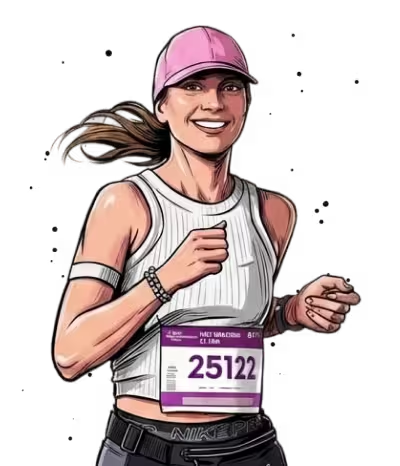


Sport has always been part of my life, almost like a background rhythm that keeps everything balanced




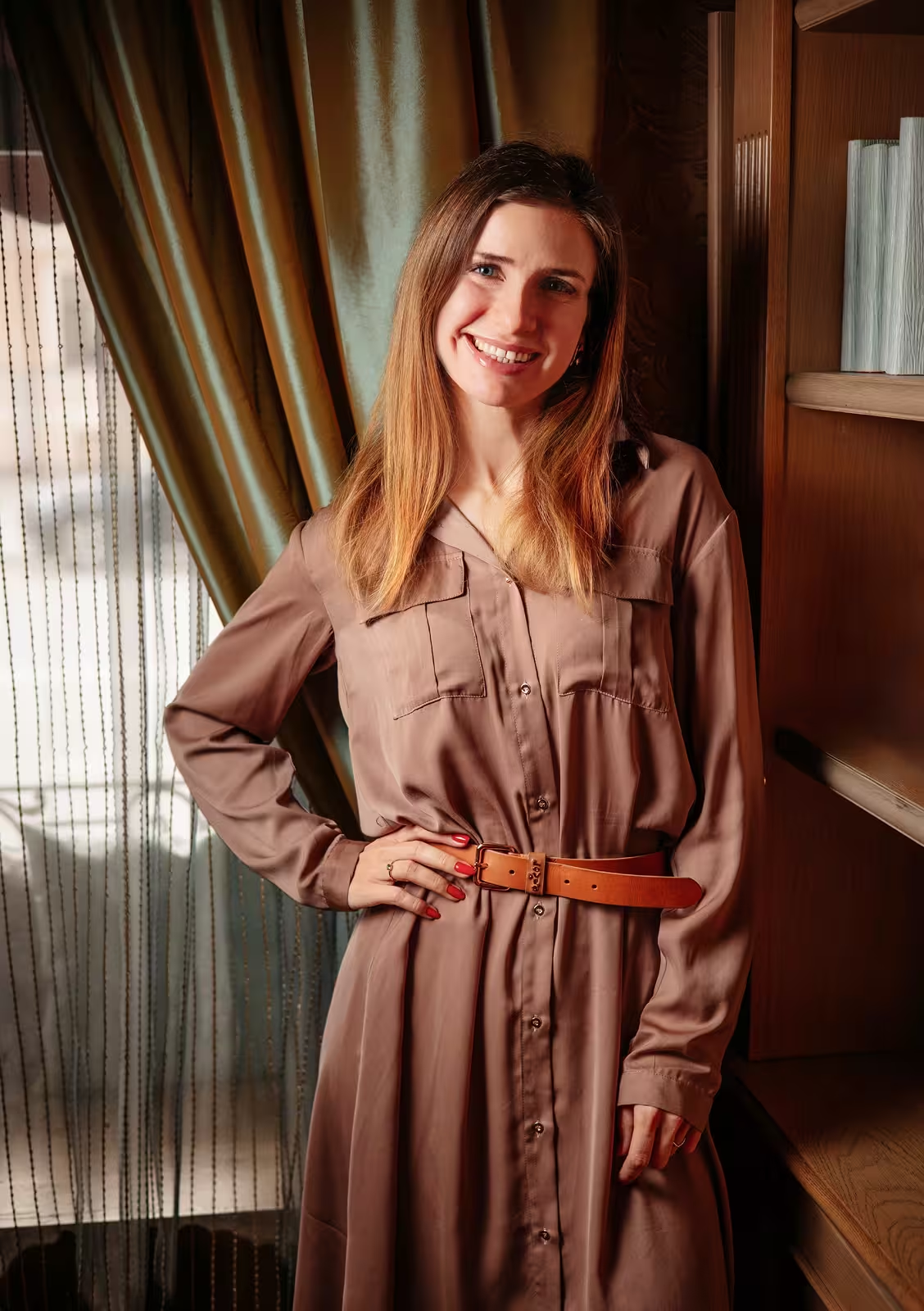
I was born in Poland and have lived in several countries; now I live in Cyprus. No one in my family has ever been as passionate about sport as I am, although my grandmother once took part in road cycling races.

There’s a funny story from my childhood: I had an official exemption from physical education classes at school, something most kids dream about. But I still trained anyway. I guess human nature is simple: when something is forbidden, you want it even more.
Sport has been part of my life for as long as I can remember. During my school years I tried many different disciplines — ballroom dancing, biathlon, athletics, swimming, and curling. Back then I was much more focused on sport than on school.
helpingMy big goal was to qualify for the 2014 Olympic Games as part of the Russian national curling team. For a while it felt realistic. But eventually I realized something important: putting everything into a single event was a huge risk, especially when I didn’t know what life after the Olympics would look like. So I decided to shift my focus toward education.
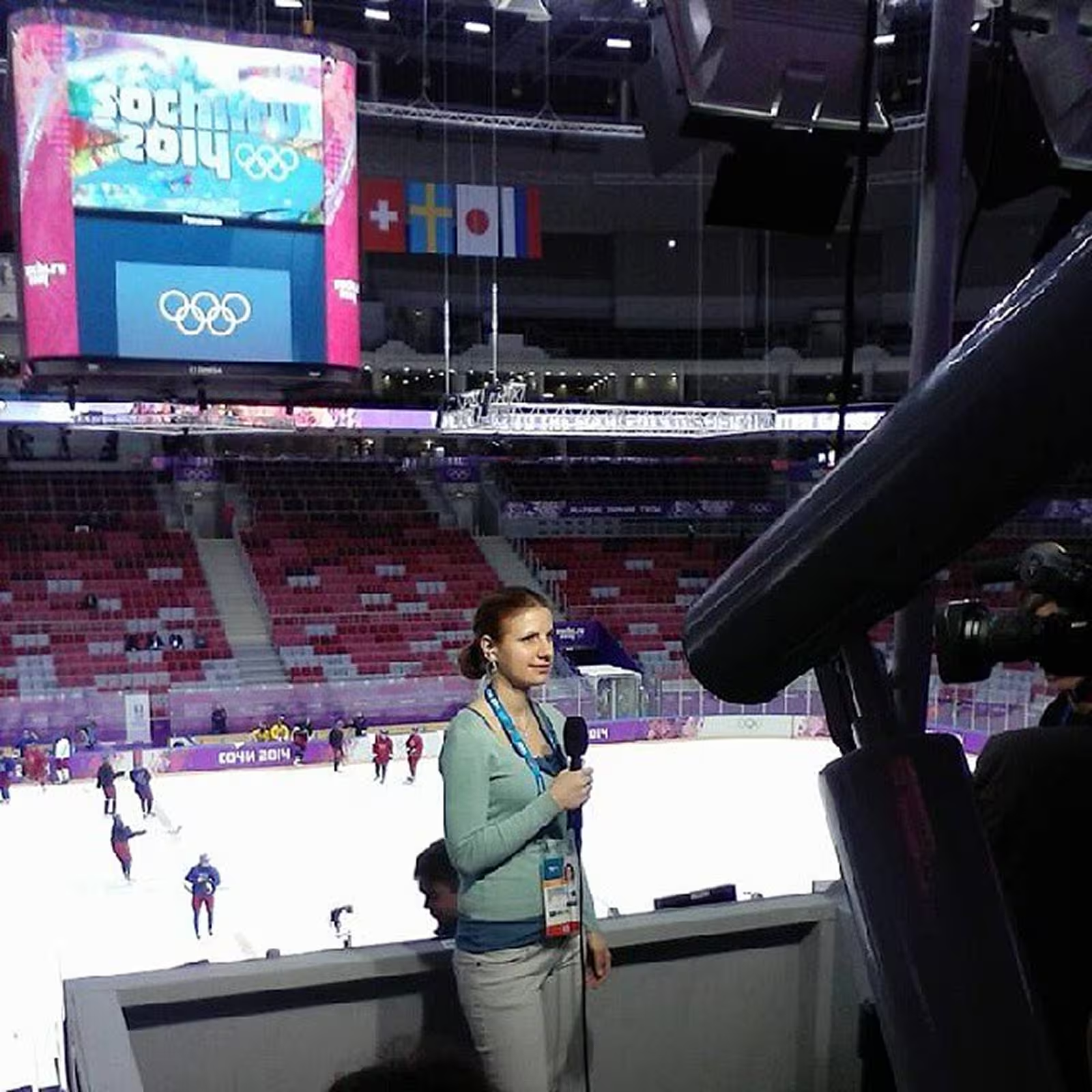
Interestingly, the Olympics still found their way back into my life. I went to the 2014 Games — just in a completely different role, working as a Liaison Officer for the international broadcasting company Olympic Broadcasting Services.
Suddenly my everyday environment was full of athletes again, and at the same time amateur running events were booming. That’s how I gradually stepped into the world of amateur running.
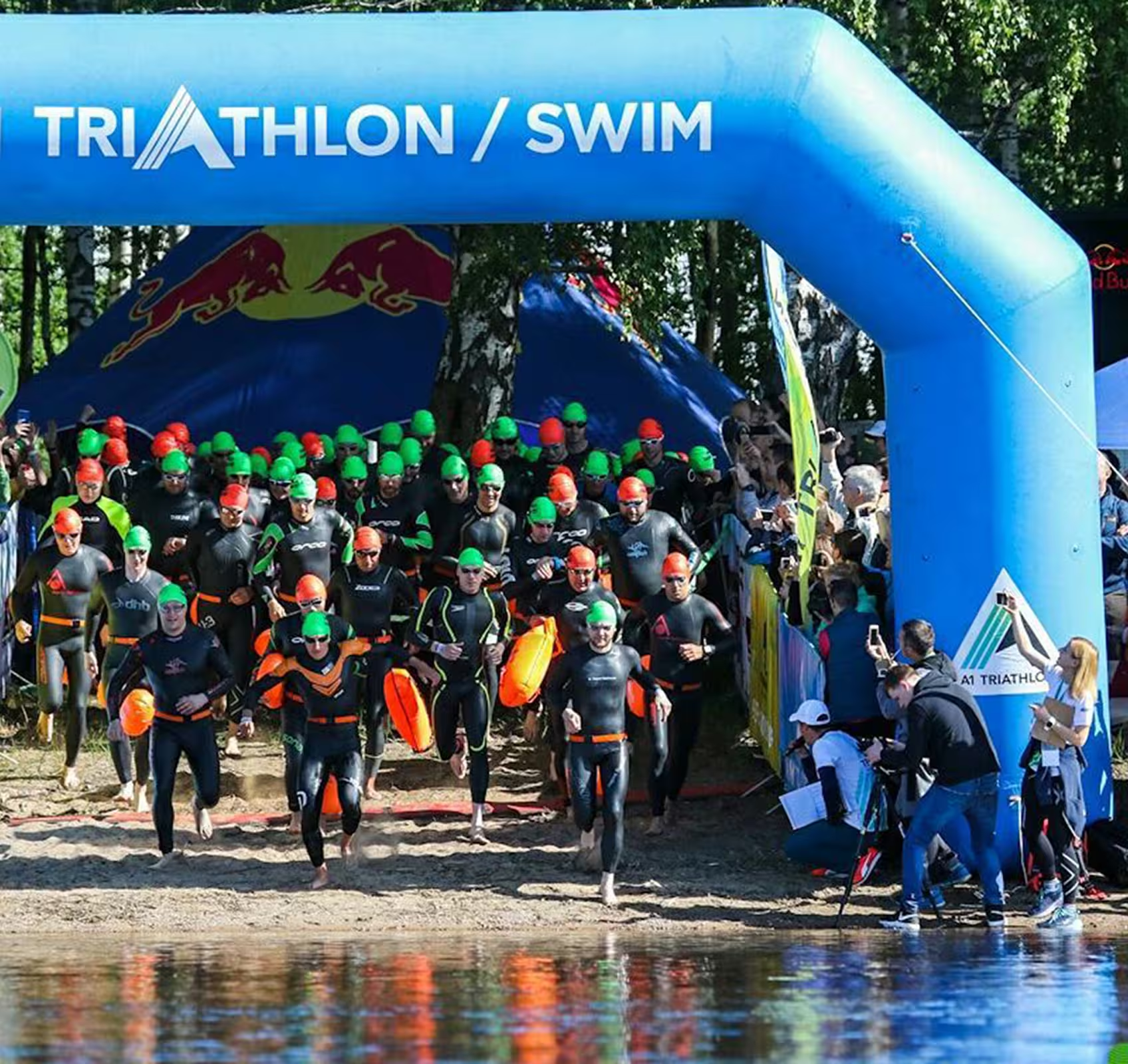
A year later, I started working for a company that organized triathlon competitions in Saint Petersburg.
helpingFor many years I was lucky and avoided serious injuries. But about a year and a half ago I fell and injured my knee, and recovery turned out to be much more complicated than I expected. Complete rest didn’t really solve the problem. Instead, the pain started migrating from one muscle to another because of uneven load distribution. A month ago I even developed shin pain, which disrupted my preparation for the Paris Half Marathon.

Of course, it’s frustrating, especially because running has always been a source of joy for me. But step by step I focused on recovery and slowly found my way back to enjoying the process again.
helpingSport has always been part of my life, almost like a background rhythm that keeps everything balanced. It helps me stay physically healthy, mentally reset after work, and maintain a sense of energy. It also opens many doors: meeting new people, discovering new cities through races, and building friendships around a shared passion.
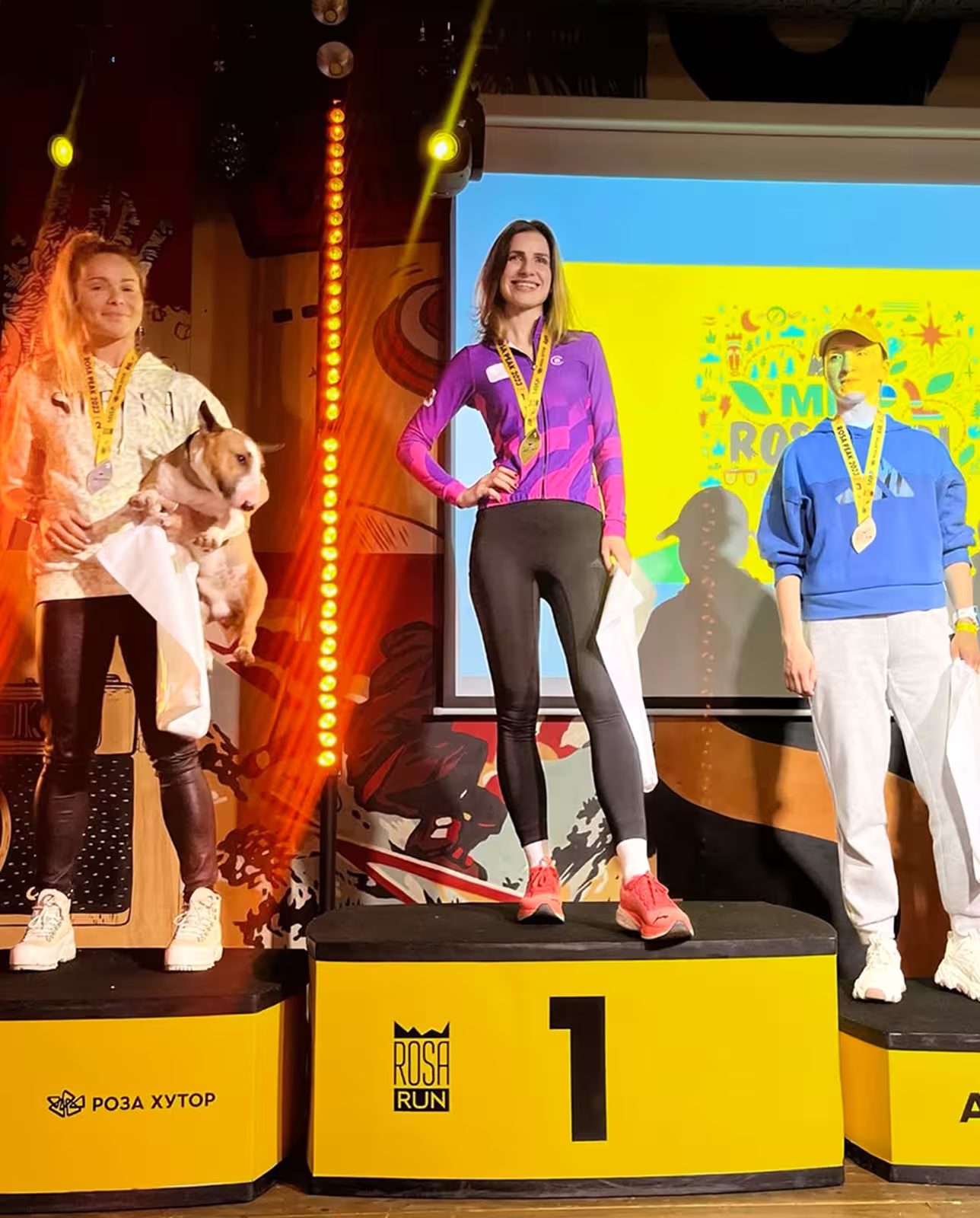
Thanks to my athletic background, I sometimes compete for podium places at amateur races. But today that feels more like a pleasant bonus rather than the main goal.
For me now, running is less about competition and more about the joy of the moment. Amateur races have an incredible atmosphere — people of all levels sharing the same excitement and energy.
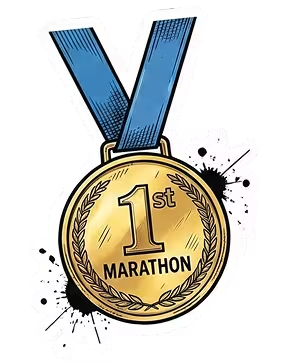
helpingEvery race has its own story. Sometimes it’s about a personal best, sometimes about the atmosphere or the people around you, sometimes about a beautiful course. But if I had to pick one race right now, it would be the Valencia Marathon.
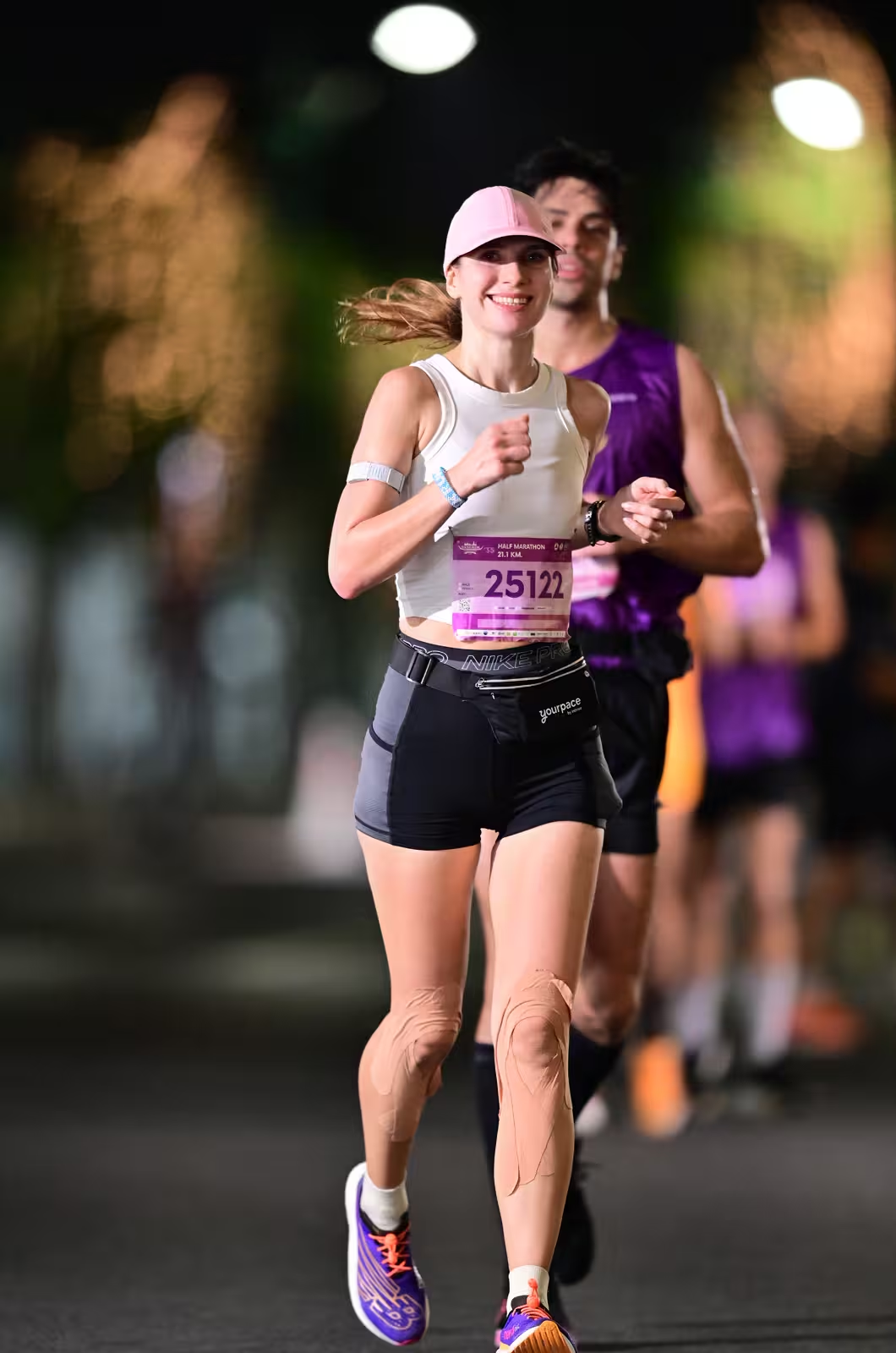
I ran it last year despite my injury. My coach predicted that, given my limited preparation, I probably wouldn’t run faster than four hours. But I had a different goal: to improve my personal best and qualify for the Boston Marathon as a fast runner. I finished in 3:27. Now I’m waiting until September to find out whether that result will be enough for this year’s Boston entry.
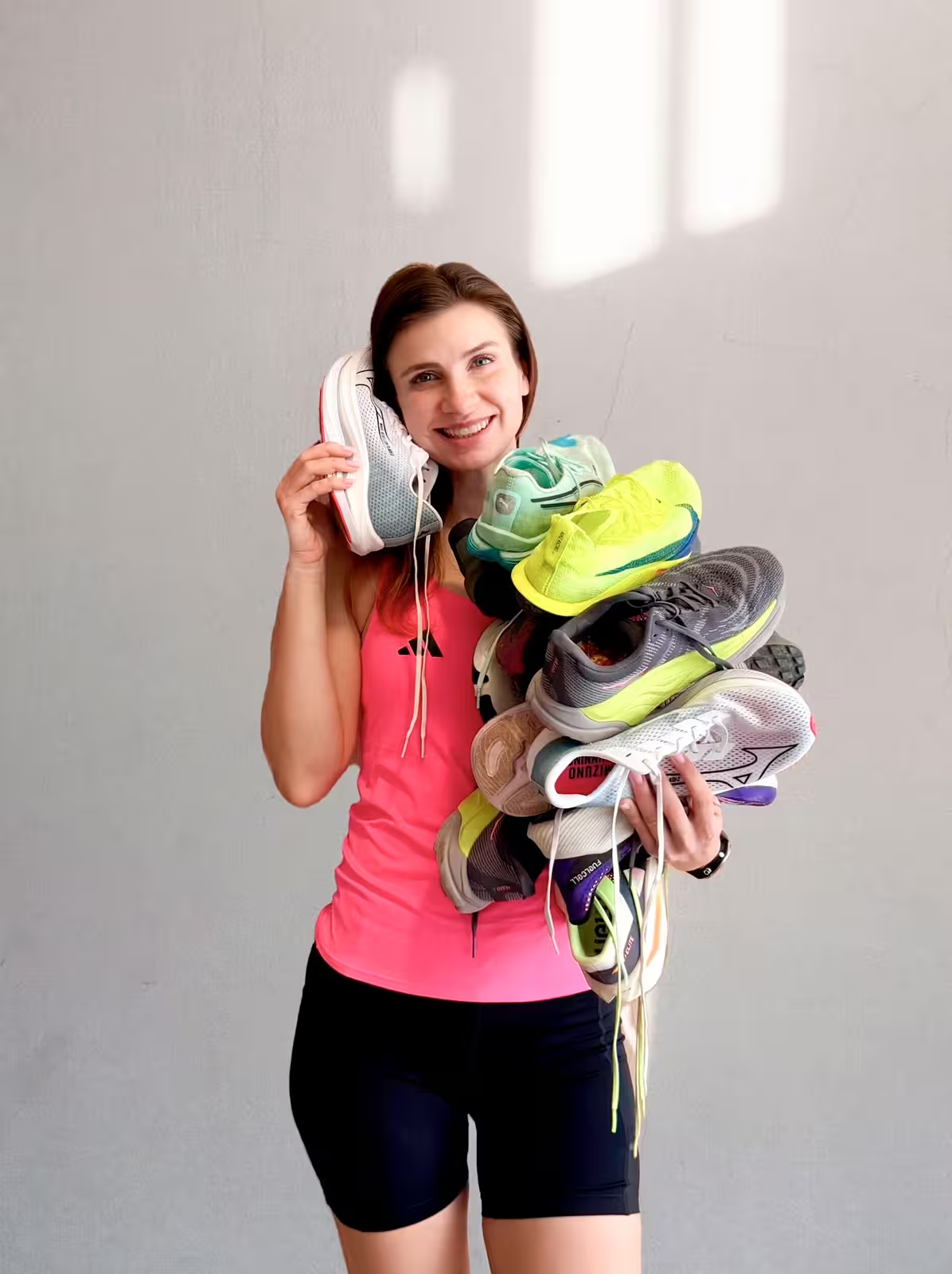
The truth is that there’s no such thing as a perfect running shoe. Everything is very individual, and even when you try them on in the store it’s hard to predict how they’ll feel after dozens of kilometers.
Right now I have around 12 pairs of running shoes in Cyprus — training shoes, racing shoes, and trail shoes. Some of them I wore only once before realizing they weren’t the right fit.
helpingI wouldn’t say I follow running fashion trends. Functionality always comes first for me. I’m not the type of runner who builds a new outfit for every race; I usually stick to the same gear.
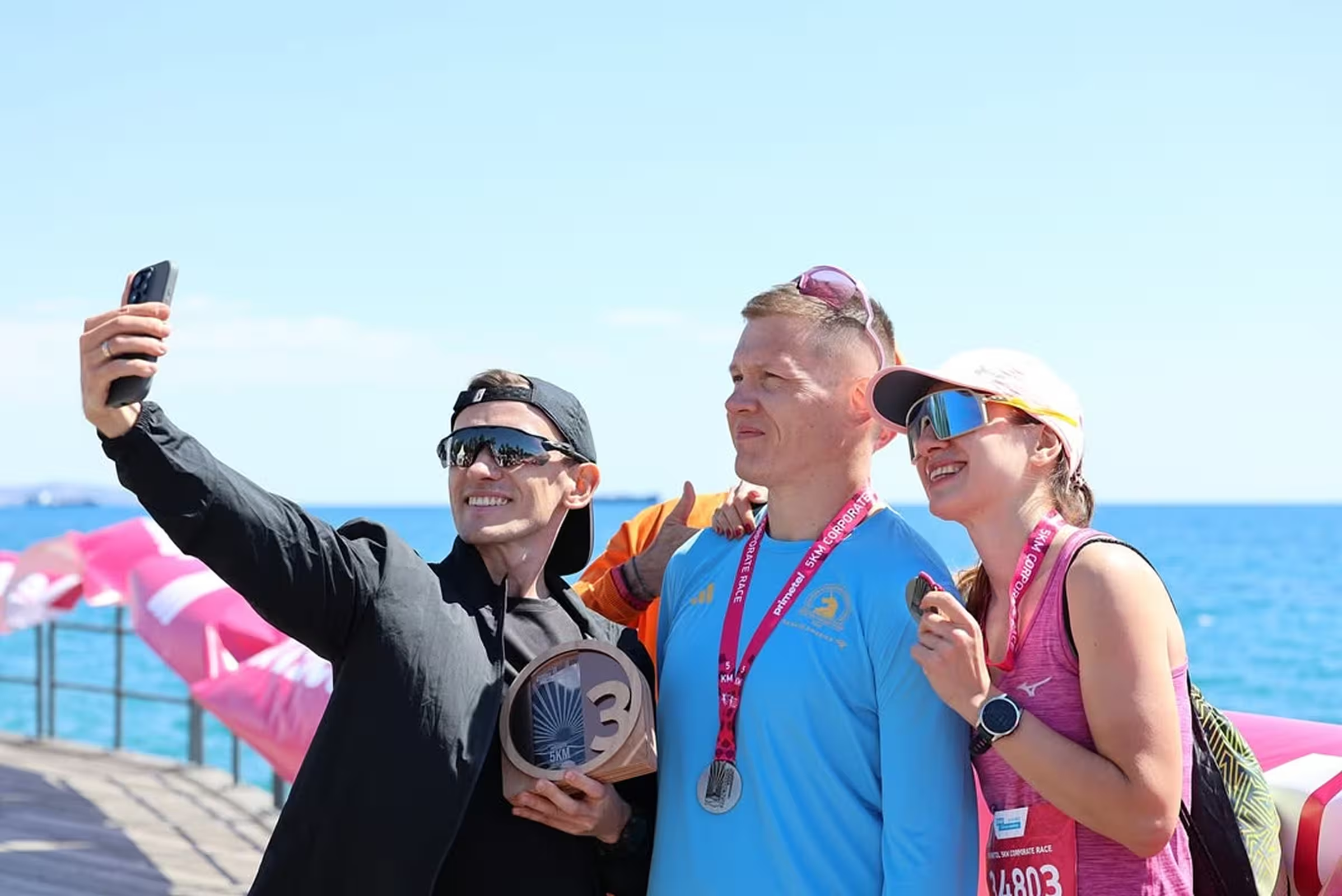
Running helps me disconnect after work and maintain a healthy work–life balance. During runs I often come up with new ideas or suddenly see problems from a completely different perspective.
helpingLong-distance running also teaches patience. You learn to keep going even when results don’t appear immediately. That mindset translates very well into professional life. Sometimes progress — in sport or at work — simply requires consistency and the ability to keep moving forward step by step.
helpingIn dance, you constantly ask yourself how you can improve, whether by analyzing your videos, getting feedback, or practicing more. That same mindset applies to work, where you always look for ways to perform better, improve processes, and deliver stronger results.

Both in sport and at work, it’s about putting your full energy, focus, and commitment into what you do. Even if a race is not the most important one of the season, I will still run as fast as I can that day.
Maybe I won’t win, maybe I won’t set a personal best, but every step on that course will be the best I can do at that moment.
helpingIf you want to start running, just start, don’t be afraid. At the beginning it can feel difficult, but over time it becomes a routine that’s hard to imagine life without.

Your body will adapt, and eventually you’ll start enjoying it. And sign up for a race. Having a race on the calendar is one of the best motivations to keep training. One day you’ll definitely thank yourself for starting!
You don’t need to start with a marathon. Begin with short distances. Run slowly. Don’t treat every training session like a school fitness test. Run a little, run easy — but run regularly.