

Thanks to jiu-jitsu, I learned to keep a clear head and make decisions under pressure.



Sport wasn’t a hobby; it was a necessity. You needed it just to stand up for yourself and make sure your friends didn’t get hurt.
I grew up in Uralsk, a small city in western Kazakhstan. My teenage years fell in the early 2000s — a time with its own atmosphere. We were yard kids, always outside, often getting into scuffles with other guys for reasons both serious and completely stupid.
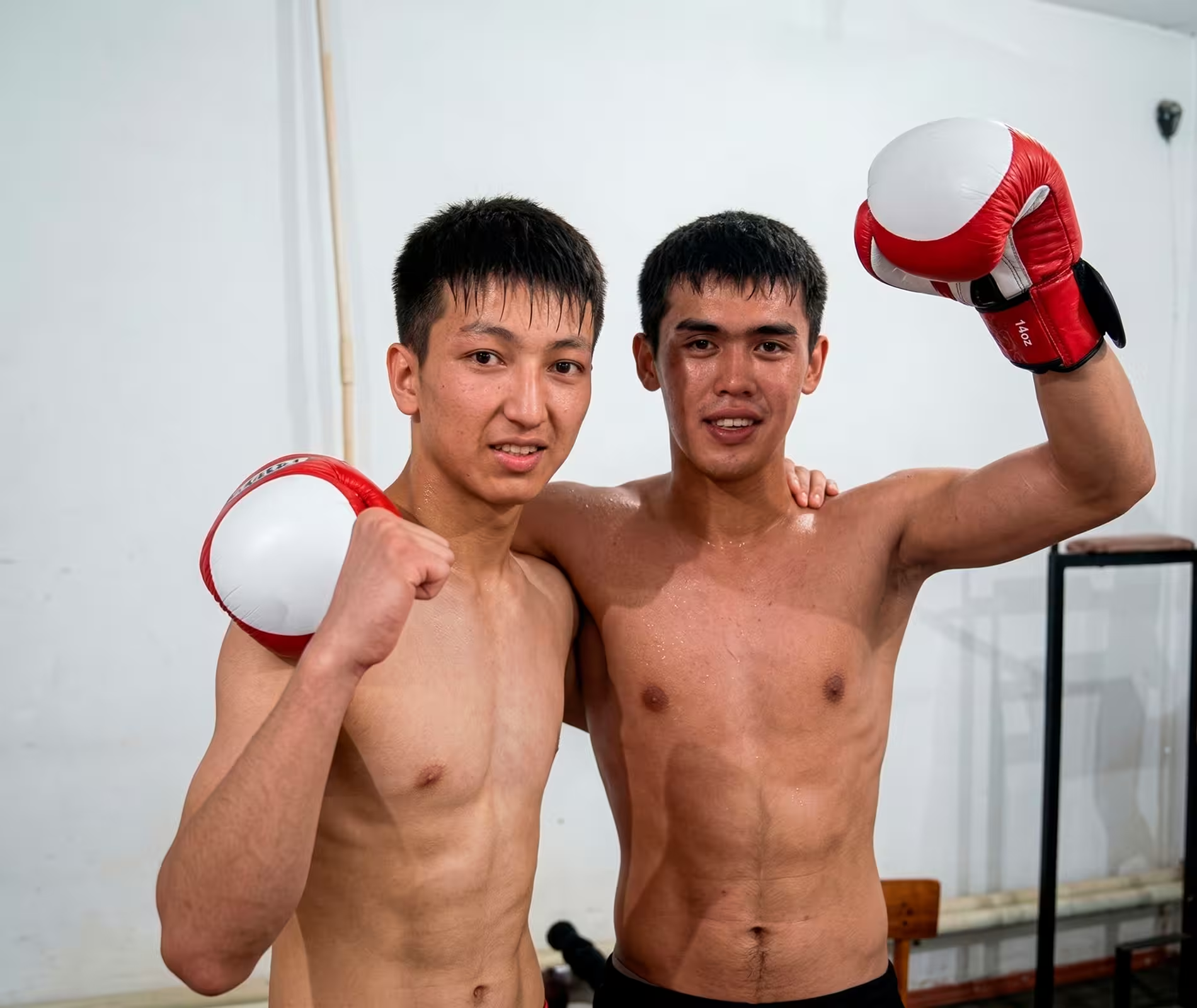
I tried everything: freestyle wrestling, hand-to-hand combat — but in the end, football and boxing stuck. One of my close friends was a boxer, and he trained us. Our yard had its own rhythm: first pull-up bars and dips, then pads, then sparring. It was a school of its own; informal, sure, but very real.
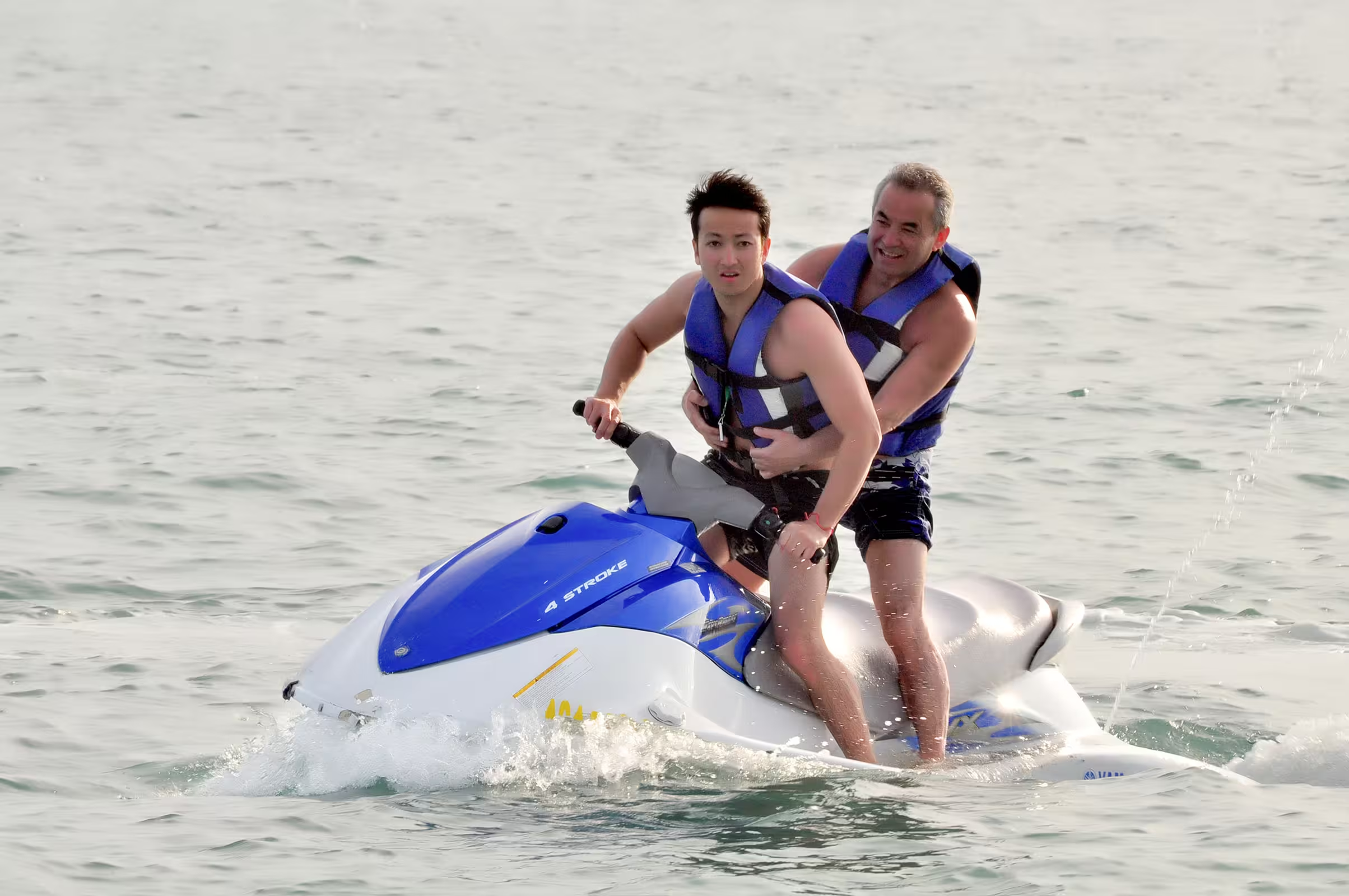
My father had a huge influence on me. When he was younger, he did weightlifting. And in general, he never let sport leave his life. Morning workouts every day, cold water, movement — he was always in great shape. He never pushed it on me; he just lived that way, and that alone set the bar. A lot of my discipline comes from him.

Since then, I can’t remember a single year without sport. As I got older, I kept searching for myself: I tried running marathons, lifting, CrossFit…
helpingI even swam across the Bosphorus with friends, but something was missing. My relationship with sport was a constant swing: I’d drop out for two or three months, and then I’d have to start all over again.
helpingI realized I lose interest quickly in repetitive gym workouts or running. I wanted to invest in a skill, something you can sharpen for years, something you don’t “lose” after a two-week break.
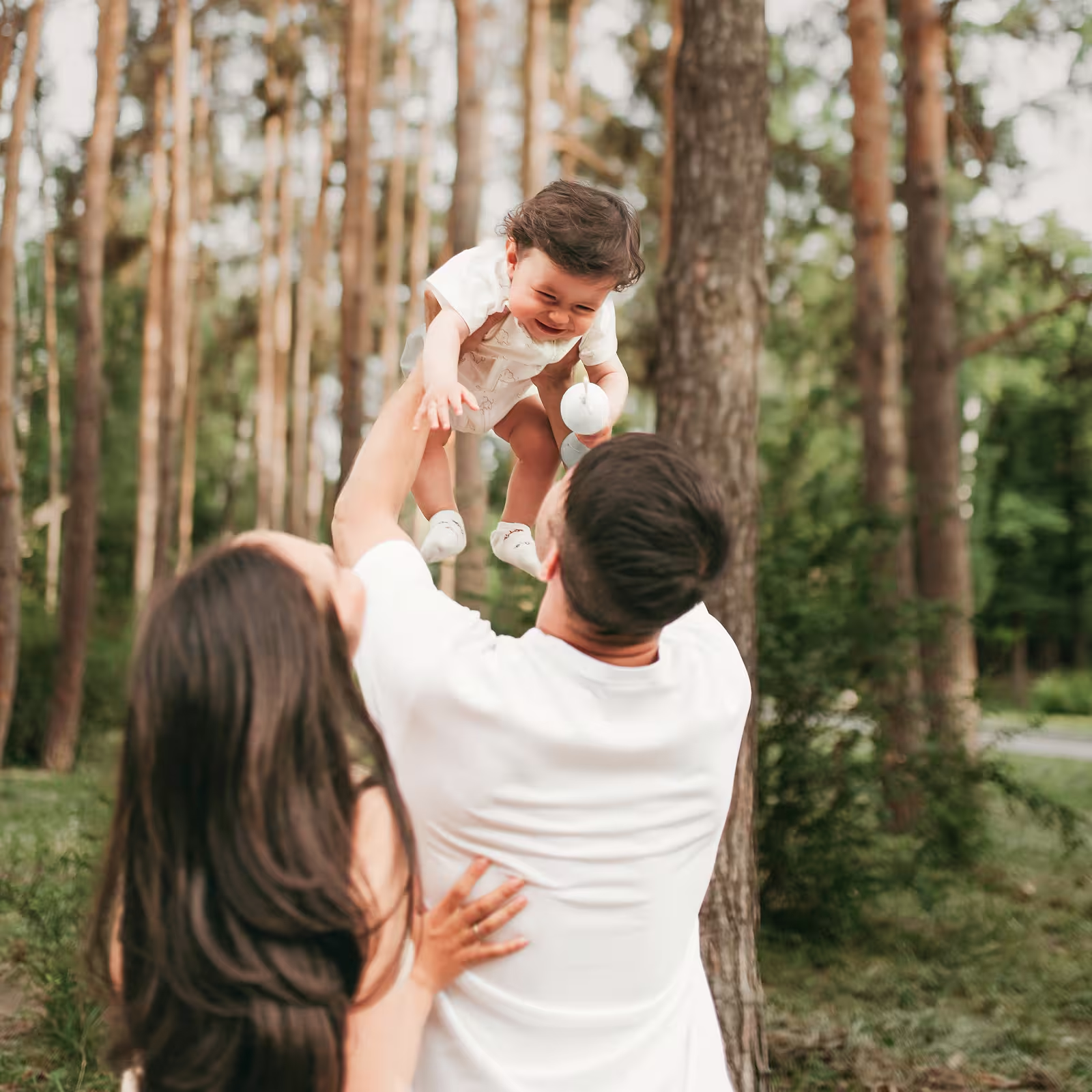
The turning point was 2020. My son was born. I started thinking about the kind of example I wanted to be for him, the way my father had been for me. Not just someone who goes to the gym and stays in decent shape, but someone who reaches real mastery in a martial art.
helpingAs a long-time UFC fan, I’d always been curious about submissions (combat sports), so my choice naturally landed on jiu-jitsu. I remember thinking how cool it would be if, when someone asked my son Altair, “What does your dad do?”, he could answer: “My dad is a world champion in jiu-jitsu.” That’s how my path began — and that goal became my guiding star.

My first session in the main group ended quickly, with a shoulder injury. Out of inexperience, I grabbed where I shouldn’t have. A sharp pain, and that was it: three months out.
The first lesson came fast — you need to keep a cool head throughout the entire fight. Trying to win with brute force, or with the wrong technique, can end badly.
helpingBut the real blow was still ahead. At the end of 2021, I lost my father, very suddenly. He was healthy, never complained about anything. A hemorrhagic stroke, a coma, and a few weeks later he was gone. There was so much I didn’t get to tell him. That’s one of those things that stays with you forever.
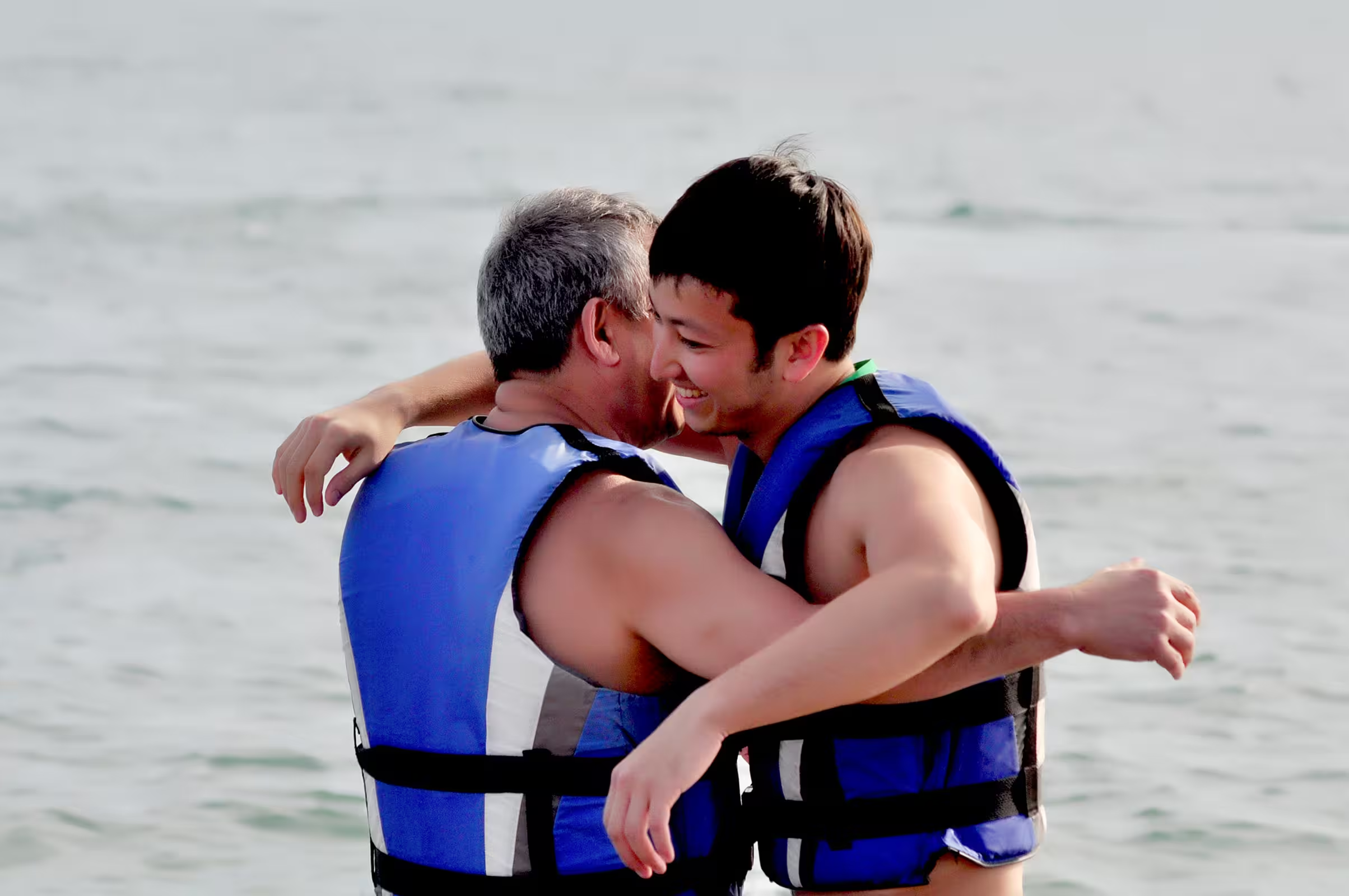
He was my hero. Training became the way I held myself together — the way I didn’t fall apart. To keep moving forward when everything inside is heavy. I started training even harder.
helpingMy first competition happened unexpectedly. During practice we lined up, and the coaches told us: in a month there will be a tournament. Everyone is competing. I lost more than eight kilos in less than ten days. My body was at the limit.
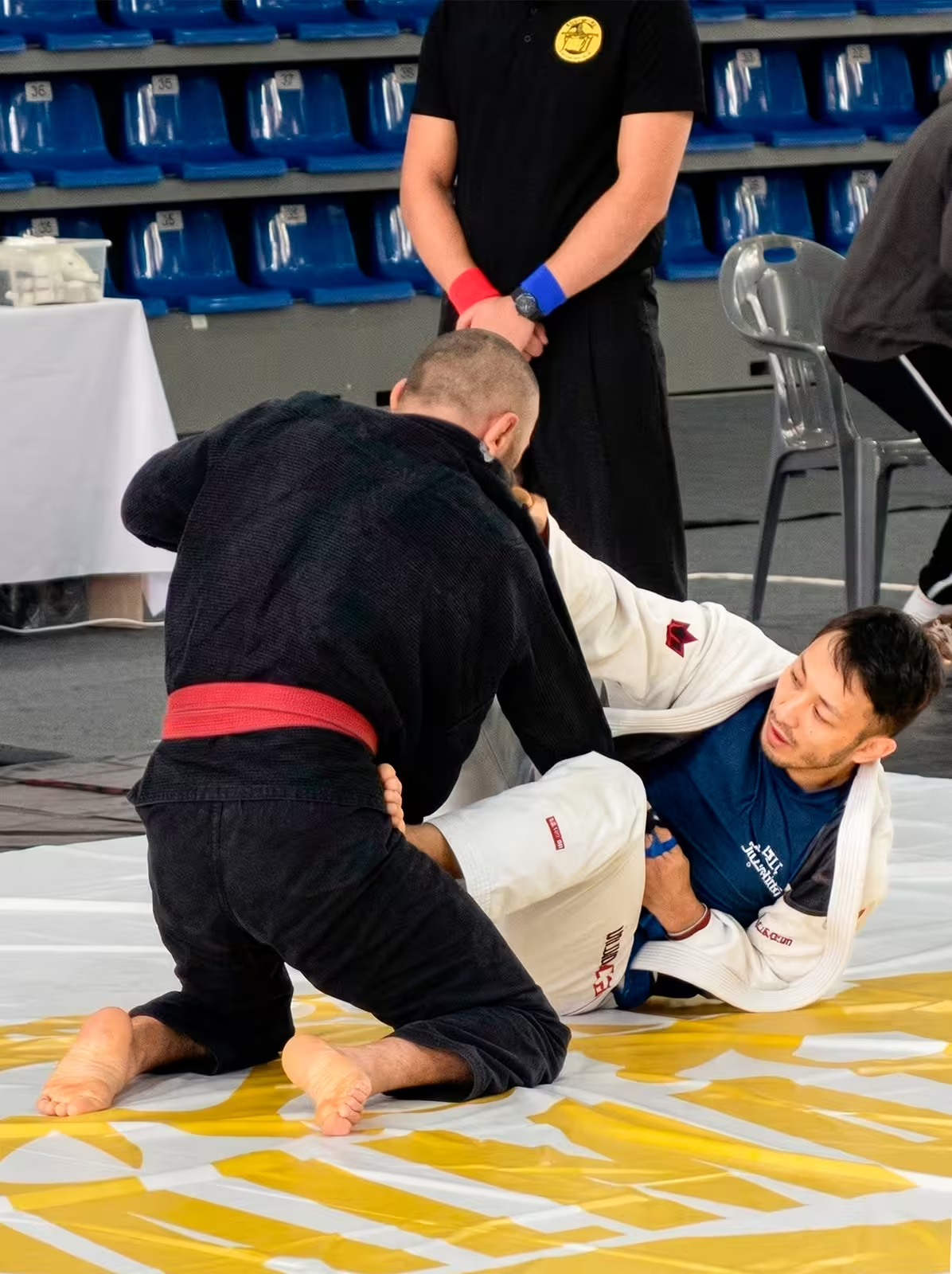
I survived and won on points. I lost the next match to the future champion, but I stepped off the mat feeling like I’d taken an important step.
The first match lasted five minutes, but it felt like forever. Arms burning, heavy breathing, thoughts getting tangled. In that moment there’s only one thing left: don’t quit.
helpingAfter that, a rhythm appeared. 6:30 a.m., three times a week. If I’m in Almaty and I’m healthy, I go to training. It doesn’t matter how little I’ve slept; it doesn’t matter what kind of day I’ve had. Sometimes you wake up and you don’t want to — and then you remember why you started in the first place. In four years, I haven’t missed a single session.
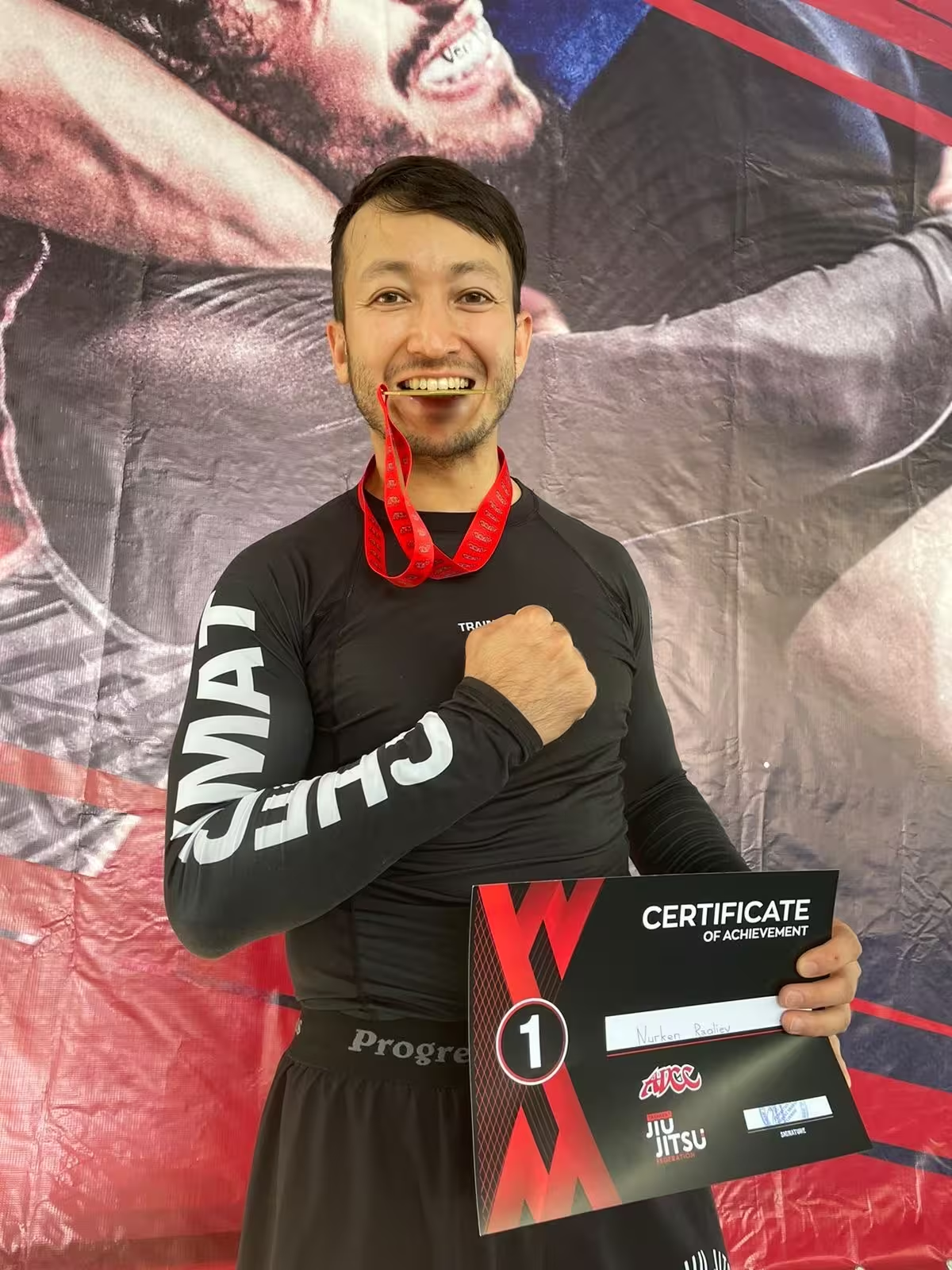
Consistency started paying off. I began winning local tournaments one after another, but I kept the main goal in my head: the World Championship in Abu Dhabi. I registered in the 69 kg blue belt division and began preparing.
helpingThis time I started dieting months in advance and passed the weigh-in calmly. The matches were scheduled for the next day. I looked at my bracket: opponents from the UK, Spain, Russia, Azerbaijan, Kyrgyzstan, Mongolia, Kazakhstan, and Africa. Of course I was nervous and didn’t fall asleep right away. I had to win four matches. Single-elimination bracket — no second chances — so I focused completely on the first opponent.
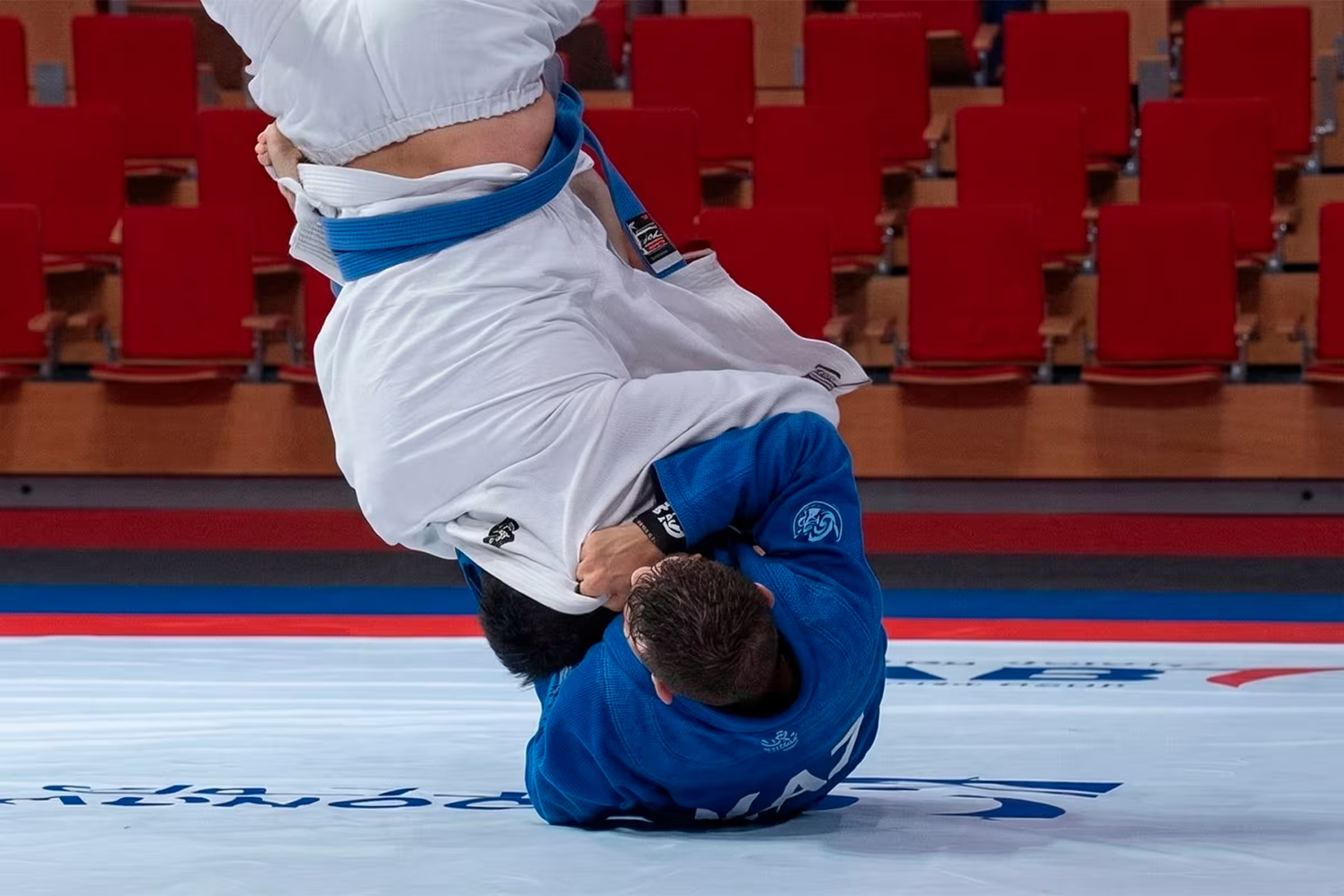
I managed to control my emotions and impose my game. I took him down, took the back, and finished with a choke — all in two minutes.
He turned out to be a Kazakhstani athlete. We met in the corridor before stepping onto the tatami, shook hands, and wished each other luck. A quick glance from the referee and the words: “Ready? Fight.”
helpingThat gave me confidence. The next match was set just ten minutes later, leaving almost no time to rest. I was honestly glad I’d finished quickly and saved energy. The opponent was a Spaniard — the reigning Asian champion and number one in my division ranking. In the first minutes neither of us could land anything.
helpingI caught his one mistake and took him down, leading 3:1 on points. In the final minute he swept me and the score became 3:3. By the rules, the winner is the one with the last action. I had to do something fast — time was disappearing. With twenty seconds left, I pulled together everything I had, hit my signature move, and stole the win 5:3.
helpingExhausted, I waited to see who I’d face next. It was a strong Kazakhstani athlete who had just beaten a Mongolian in dramatic fashion: he was down 5:0 during the match, and in the last minute he landed a series of techniques and won 6:5.
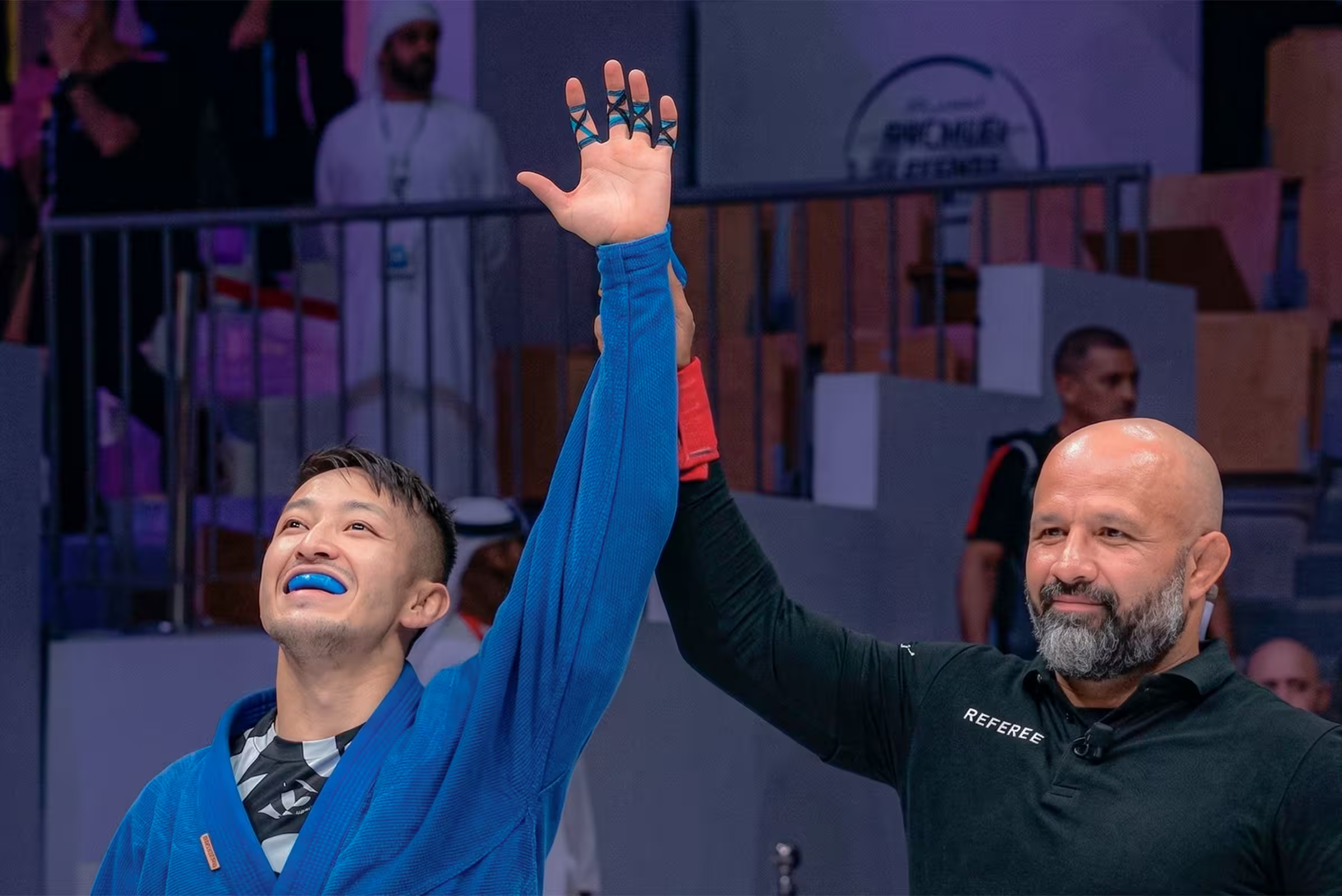
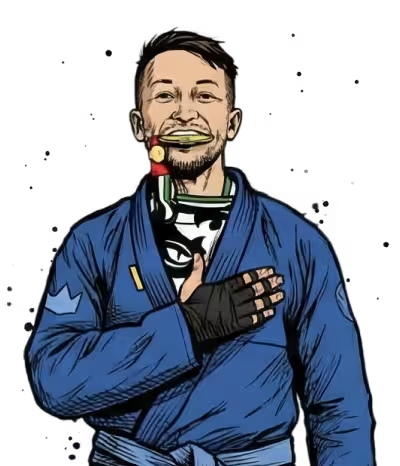
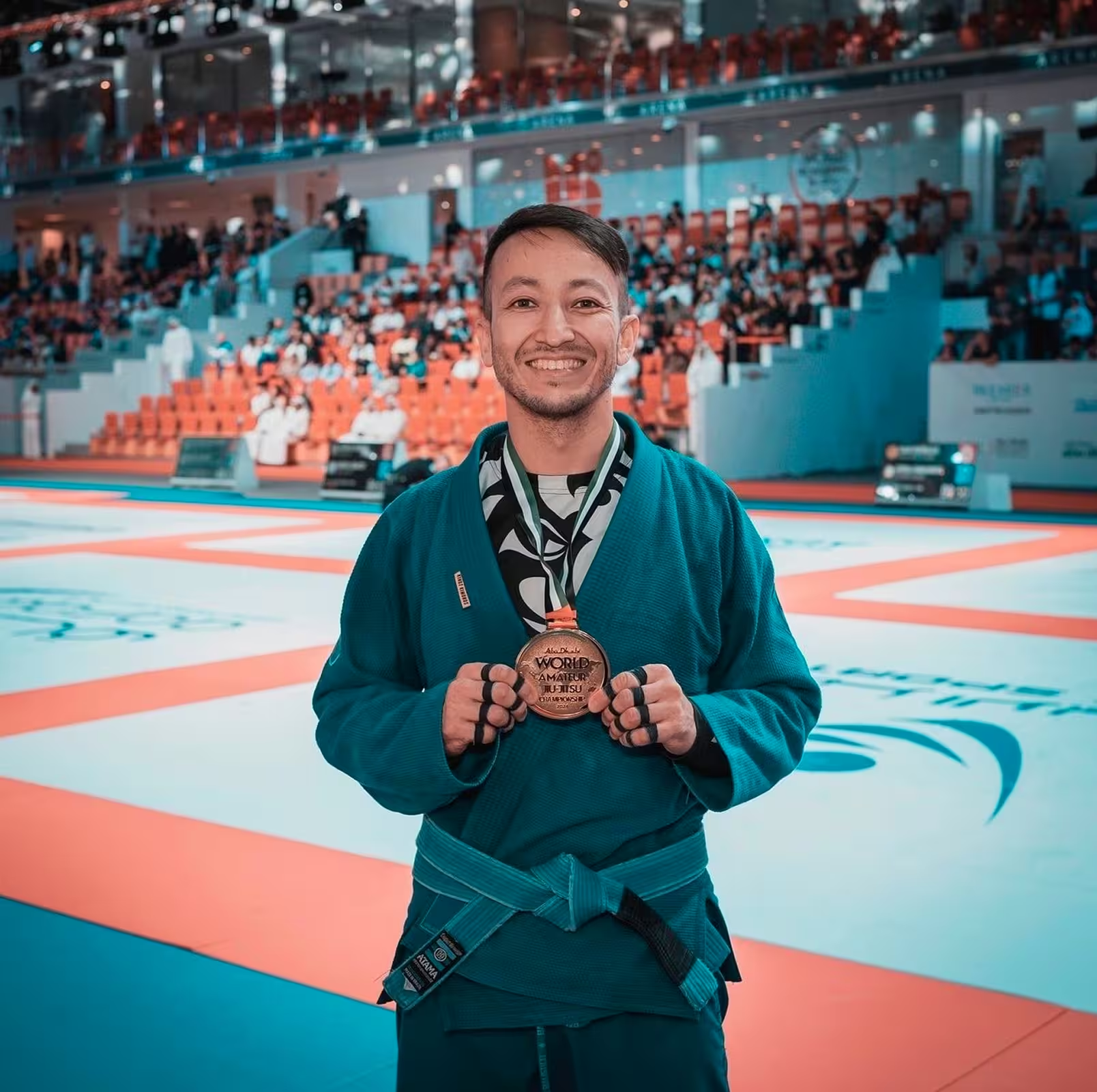
In the final, I faced an athlete from Africa who had dominated opponents from the UK and Russia. I fought with minimal risk, hit a classic throw, and the rest of the match stayed under my control. Final score: 6:0. The referee raised my hand, but I still couldn’t believe it. I just stood there, smiling from ear to ear.
Our match was intense. The whole time, neither of us could take clear control. The referee called for extra time — a golden round, where the first point wins. I poured everything into one attack, shot for the legs, and successfully took him down.
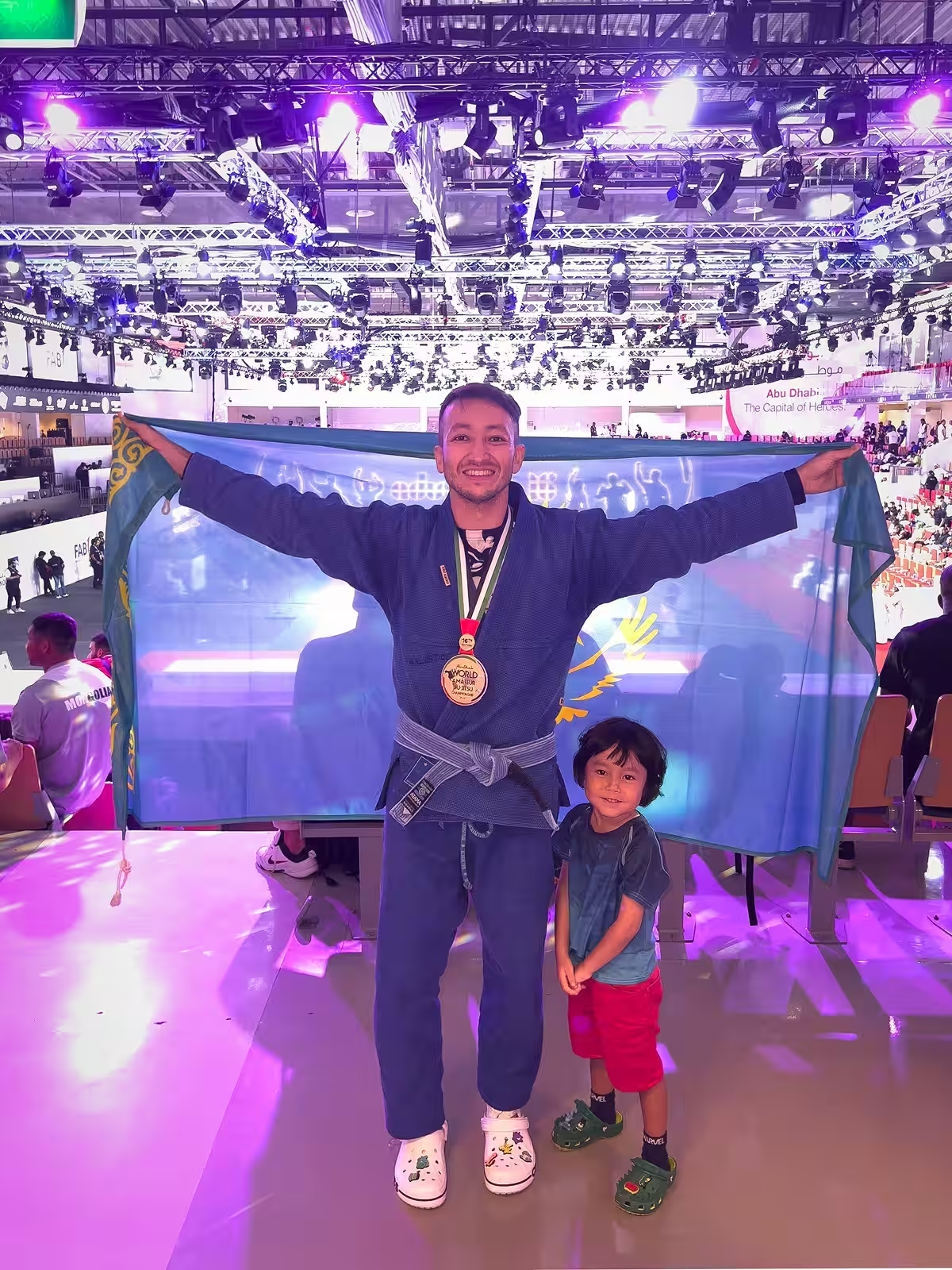
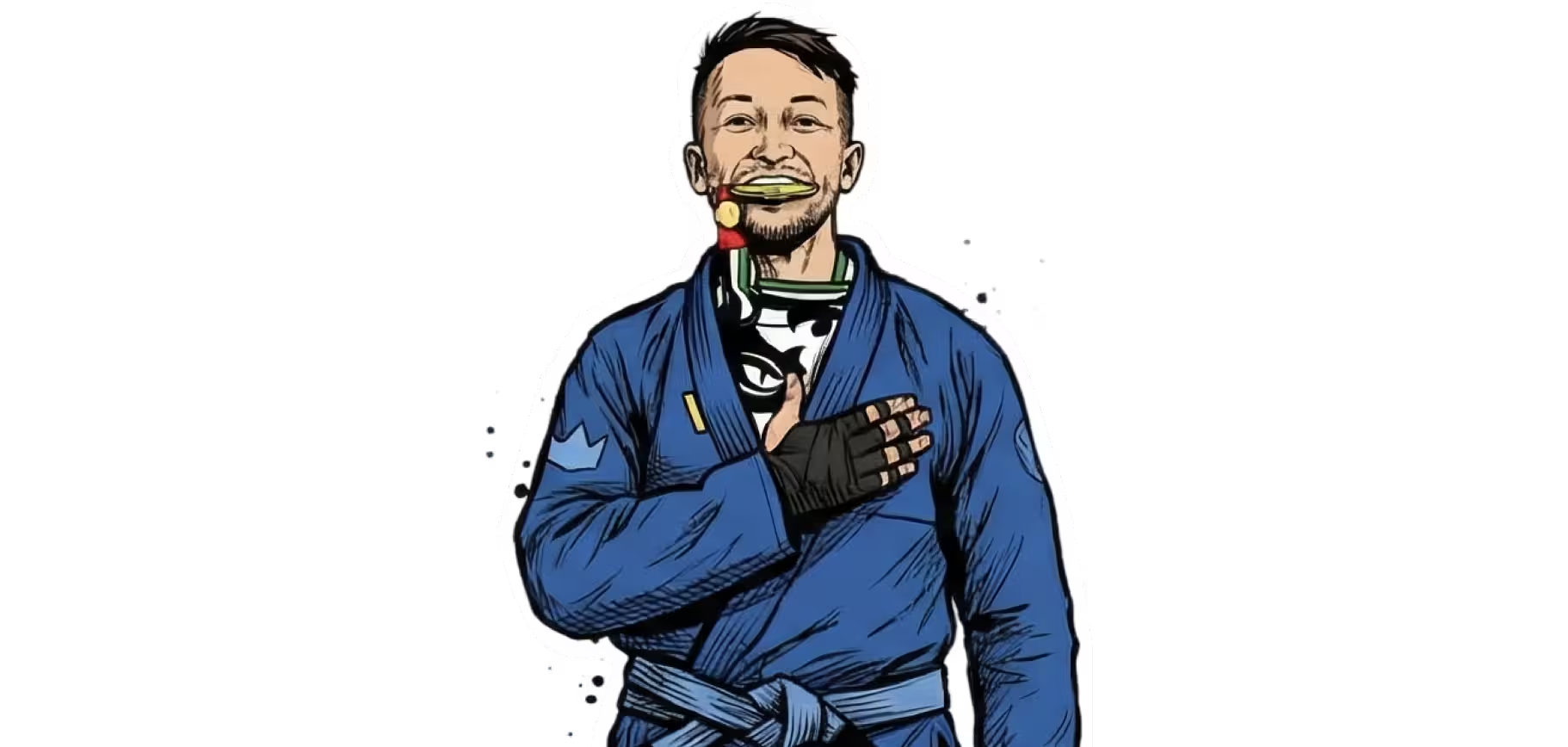
Four years later, I became a world champion in Abu Dhabi — with my four-year-old son watching. A dream that once felt impossibly distant became real. There was a lot behind it: early mornings, injuries, doubts.

She watched my nutrition, made sure I could sleep. In the fall our daughter was born. I went to the competition, and my family stayed home cheering. But when I stepped onto the mat, I felt them right there with me. Rahmet, my love.
But most of all, support from my loved ones. Especially my wife, Nagima. In the final months before the championship, I trained twice a day. At the same time, we were expecting our third child. Despite that, Nagima took everything on herself: home, kids, daily life.
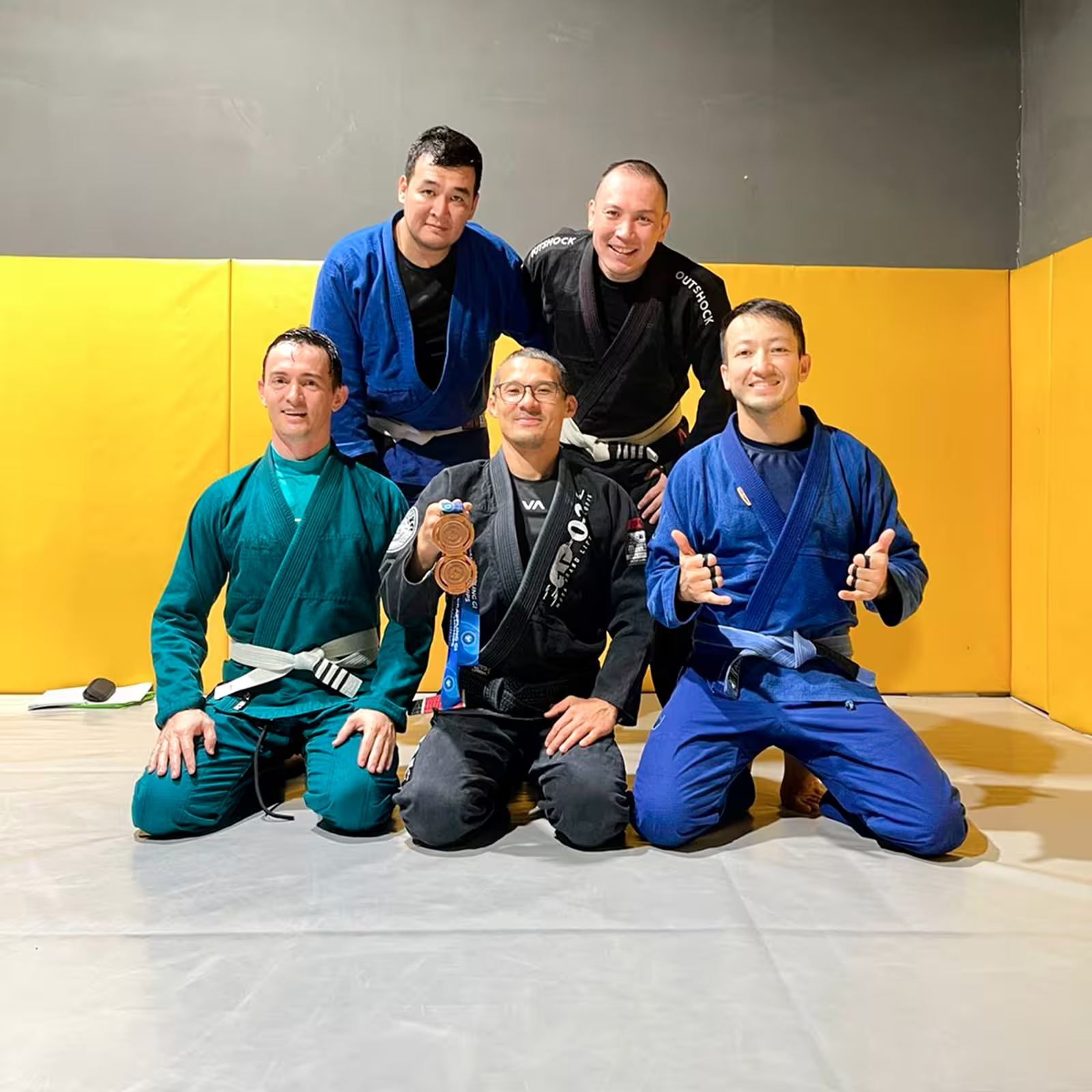
Thank you to the whole Checkmat academy team: Tima, Kostya, Gani. And to my sparring partners: Erkin, Kolya, Diyar, Askar, Edyge, Ersultan, and Natan. We’ve spent hundreds of hours on the mat, and without you this achievement wouldn’t have happened.
I also want to thank everyone who was there along the way. Bek-Ali — thank you for taking me from zero and for waking up at six in the morning all these years to teach me the basics and give me a love for jiu-jitsu. You’re an example to me. Bekzhan — thank you for the depth and details, for techniques that became part of my arsenal.
helpingJiu-jitsu changed me a lot. On the mat, you spend every second solving problems your opponent throws at you. Unlike math, where you’re given a clear task and time to solve it, here the problems keep changing. You’re under constant physical pressure; they literally try to choke you or rip off your joint. And if you lose your calm and let emotions take over, you’ve already lost.
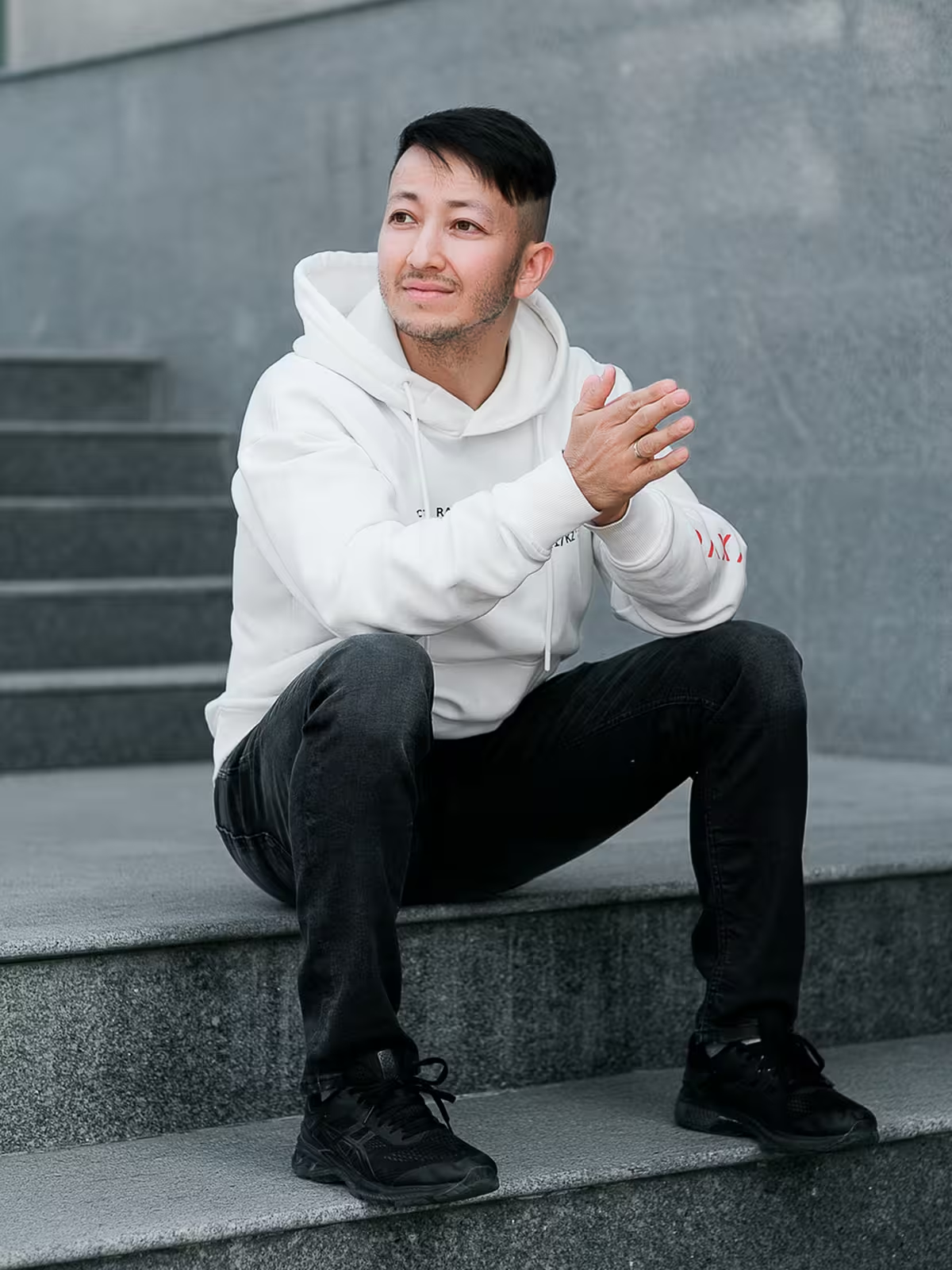
More and more, I see the same thing at work. The market shifts, competition grows, decisions have to be made fast. And in that moment, you can’t panic. Thanks to jiu-jitsu, I learned to keep a clear head and make decisions under pressure.
helpingI have three kids now, two sons and a daughter. My sons are five and three, and both have caught the jiu-jitsu bug; they already train alongside me. I’m happy to share a hobby with my little ones. I think in a couple of years we’ll start flying to tournaments together, cornering each other in competition, and discovering this amazing world side by side.